














































The cost squeeze facing businesses is showing early signs of easing, with July inflation falling to 4.3% from 5% in June as food prices softened, fuel costs declined and municipal tariff increases came in lower than last year.
The slowdown could give businesses more room to manage margins, set prices and plan spending, although fuel remains a major risk after Investec chief economist Annabel Bishop said inflation would have been 3.7% without fuel prices.
The July figure ended four months of accelerating inflation and came in below the 4.5% expected by economists.
Stats SA said the moderation was mainly driven by food and non-alcoholic beverages, municipal tariffs and fuel.
The change is significant because movements in these costs feed into what businesses pay to produce, transport and sell goods and services. The latest numbers offer some relief, but they also show that the pressure has not disappeared.
Food costs provide some relief
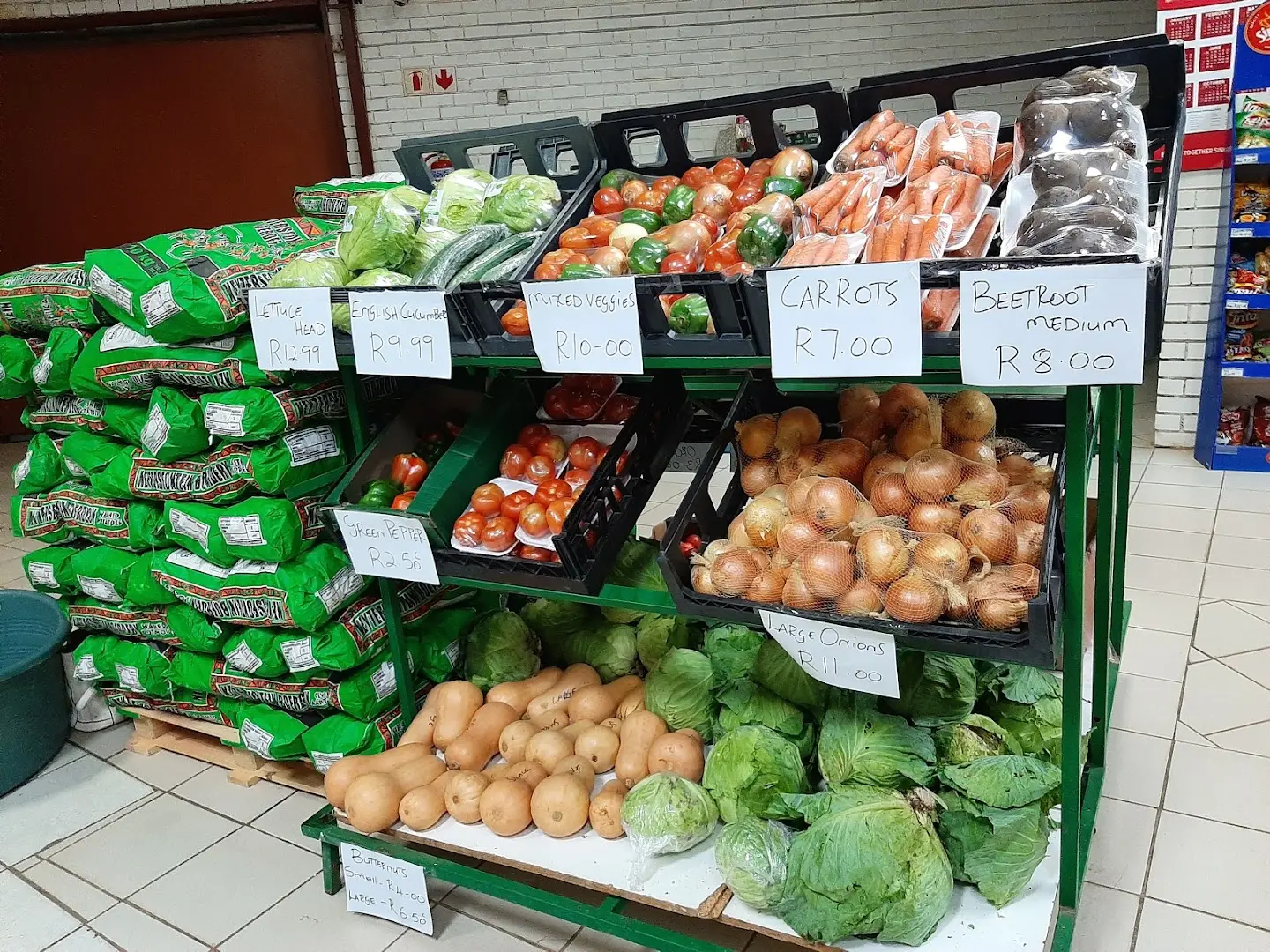
Food and non-alcoholic beverage inflation fell to 0.9% in July, its lowest level in more than 16 years.
Stats SA head of price statistics Patrick Kelly said the decline was mainly driven by cereal products and meat. Cereal product prices fell by 2% year on year, while meat inflation slowed to 1.5% from 5.1% in June.
Businesses that rely heavily on food inputs, including restaurants, bakeries, caterers, manufacturers and retailers, could benefit from the softer price growth.
The headline figure, however, masks sharp differences between individual products.
Stats SA tracks 144 food and beverage products. Tomatoes were 12.5% more expensive in July than a year earlier, while hake rose by 12% and corned meat increased by 11.8%.
Some beef products became cheaper, with stewing beef falling 7.9%, beef steak declining by 6.1% and beef mince dropping by 5.8%.
The impact on businesses will therefore depend on what they buy and how much those products contribute to their costs.
Fuel remains a major risk
Fuel was another key reason behind the July slowdown.
Petrol prices fell by 7.1% between June and July, while diesel prices declined by 11.7%. Annual fuel inflation consequently slowed to 20.6% from 34.3% in June, while transport inflation eased from 12.7% to 8.9%.
The decline can help businesses that depend on deliveries, logistics and regular travel.
But the year-on-year picture remains difficult. Petrol was still R4.23 a litre more expensive in July than a year earlier, while diesel was R5.40 higher.
“Fuel price inflation is now at 20.6% year-on-year,” Bishop said. She added that without fuel prices, CPI inflation would have been 3.7%.
That leaves businesses vulnerable to another increase in global oil prices, which can quickly push up transport, delivery and production costs.
Municipal tariff increases also slowed. Electricity tariffs rose by 8.1% in July, compared with 10.4% in 2025, while water tariffs increased by 10.2%, down from 12.1%.
What the numbers mean for business
The inflation slowdown also gives the Reserve Bank more room to assess whether price pressures are easing before making another move on interest rates.
The Monetary Policy Committee kept the repo rate at 7% in July, although two members supported a 25-basis-point increase. Inflation at 4.3% remains above the bank’s 3% target and the upper end of its one-percentage-point tolerance band.
The interest-rate outlook matters to businesses carrying loans, overdrafts and equipment finance. A stable rate can provide more certainty when planning repayments and investment, while lower inflation can make it easier to manage pricing and operating budgets.
The next MPC meeting is scheduled for 23 September.
July’s figures give businesses some room to breathe, particularly those benefiting from lower food and fuel costs. But the relief is still fragile. Fuel remains much more expensive than a year ago, and another jump in global oil prices could quickly push transport and operating costs higher.