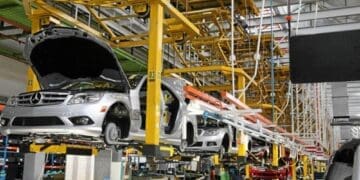

















































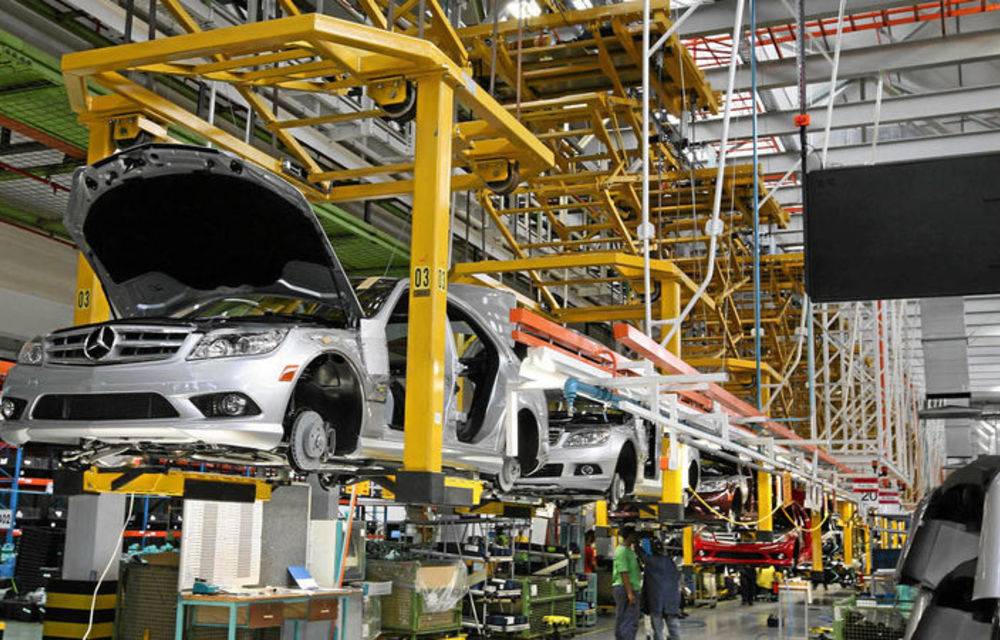
South Africa’s automotive sector stands at a critical crossroads, facing an urgent race to pivot toward green mobility and critical minerals beneficiation or risk losing its most vital global export markets.
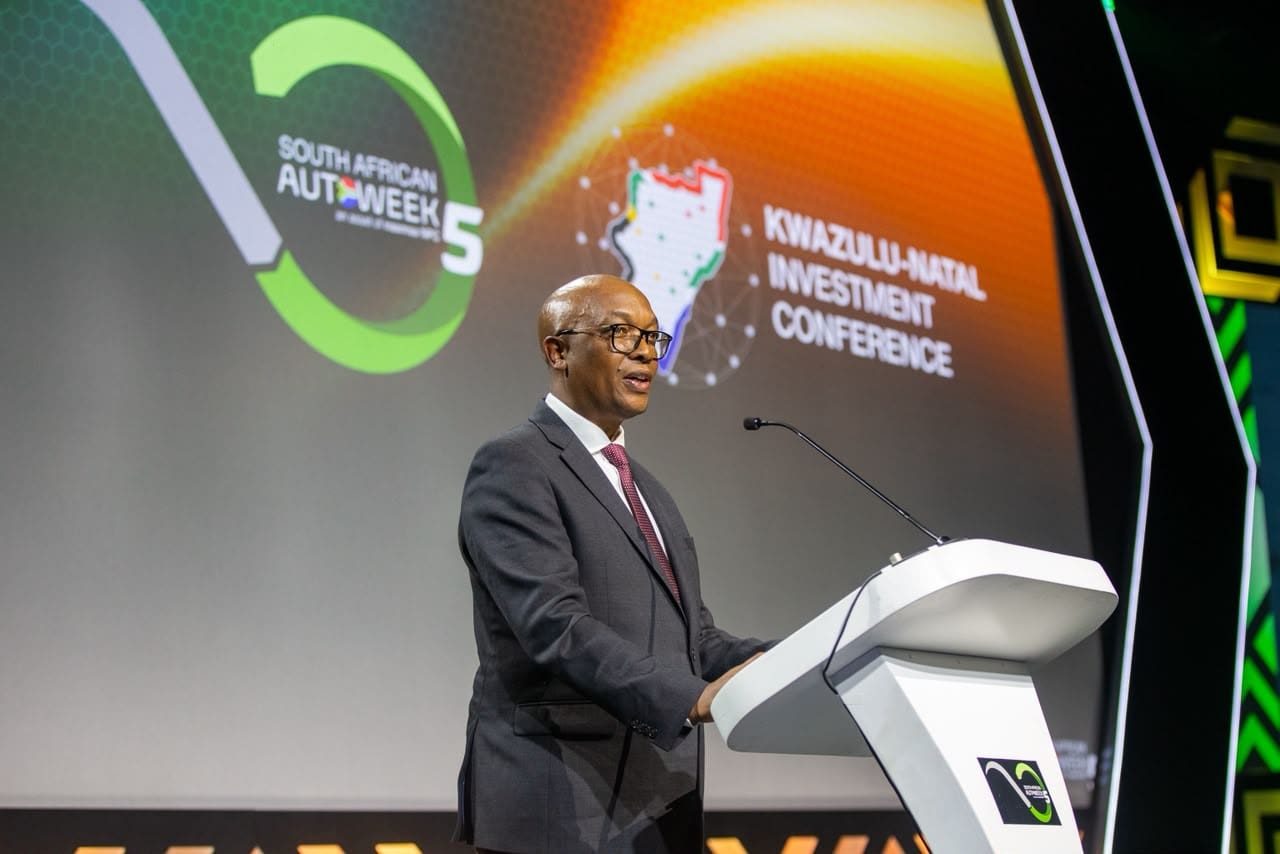
Speaking at the SA Auto Week event in Durban this week, Minister of Trade, Industry and Competition (DTIC) Parks Tau warned that aligning local production with international decarbonisation demands is no longer optional, but essential for preserving the country’s manufacturing plants and jobs.
SA Auto Week brings together industry, government, investors and other critical players for a dialogue on policy, sector trends, electric vehicles (NEVs), manufacturing, and economic growth.
“If we do not build the vehicles that markets such as Europe and the United Kingdom will buy, we will lose those markets, and with them our plants and our jobs. At home, in the first seven months of this year, South Africans bought almost as many new energy vehicles as in the whole of last year. The automotive industry is where the beneficiation strategy meets our reindustrialisation programme,” Tau said.
The South African Automotive Masterplan (SAAM 2035) places New Energy Vehicles (NEVs) at the centre of its long-term strategy to safeguard the country’s global export competitiveness and industrial future.
Recognising that South Africa’s primary export markets, like the European Union, are rapidly transitioning away from internal combustion engines toward zero-emission mobility, the SAAM 2035 framework sets a clear path for local manufacturing plants to transition toward producing a dual platform of standard internal combustion and electric drivetrains.
The SAAM 2035 is a collaborative framework designed to guide the sustainable growth of South Africa’s automotive sector through six core pillars, including localization and skills development.
It targets 1.4 million annual vehicle production units (1% of global output), 60% local content, and doubling employment to 224,000 workers while driving transformation.
Facing growth hurdles and the shift to green mobility, the sector is integrating New Energy Vehicles via updated incentives.
The Automotive Business Council revealed that the aggregate domestic sales for September 2026 was 61,645, representing a 12,7% increase compared to the 54,706 units sold during September 2025.
The Council further noted that export sales amounted to 31,473 units during the month, reflecting an 18,8% decrease compared to the corresponding month last year.
Of the total reported industry sales of 61,645 vehicles, an estimated 50,171, or 81,4% represented
dealer sales, 13,8% sales to the vehicle rental industry, 2,6% government purchases, and 2,2% corporate fleet sales.
Tau said South Africa plans to phase out current Semi-Knock-Down (SKD) operations and no longer provide policy support for any new SKD facilities in the country.
This decision comes as government, working with NAAMSA, the Automotive Business Council, the National Association of Automotive and Component and Allied Manufacturers (Naacam) and organised labour unions, reviews the Automotive Production Development Programme (APDP2).
Tau explained that this development will exclude Medium and Heavy commercial vehicles.
“We will work to strengthen the legal definitions around what we determine as Complete-Knock-Down (CKD) manufacturing. We have agreed that the strategic competitiveness of South Africa’s ladder frame LCV segment warrants formal investigation. There was also alignment that any additional protection should be accompanied by reciprocal commitments relating to production, localisation, employment, transformation, exports, and investment. I will be instructing ITAC to undertake this investigation to reach a final determination on the matter,” he said.