

















































Minister of Trade, Industry and Competition (DTIC) Parks Tau has delivered a staunch defence of South Africa’s industrial capacity, highlighting KwaZulu-Natal manufacturing stalwarts Bell Equipment and Mondi South Africa during high-level site visits facilitated by the Zululand Chamber of Commerce and Industry.
The ministerial endorsement arrives at a critical juncture for the local economy.
Data from Statistics South Africa (StatsSA) reveals that manufacturing production plummeted by 4.3% in August compared to the previous year, with output contracting by 1.7% over the first eight months of 2026.
Factory output remains around 10% below its 2019 level, and large manufacturers are using only about three-quarters of their production capacity. The wood, paper, publishing and printing division, which includes Mondi’s products, has now shrunk year-on-year for more than a year. Both companies show what is at stake: the jobs, suppliers and export earnings that local production sustains.
“We must be honest about the state of manufacturing in our country. The sector has been in decline, and too many factories have been forced to cut capacity in the face of cheap imports. That is why companies that keep investing here matter so much. Our job is to stand with them and to use every instrument we have to rebuild our industrial base,” said Tau.
With large factories operating at only about three-quarters capacity and output lagging roughly 10% behind 2019 levels, Tau highlighted the vital role resilient local enterprises play against the rising tide of cheap imports.
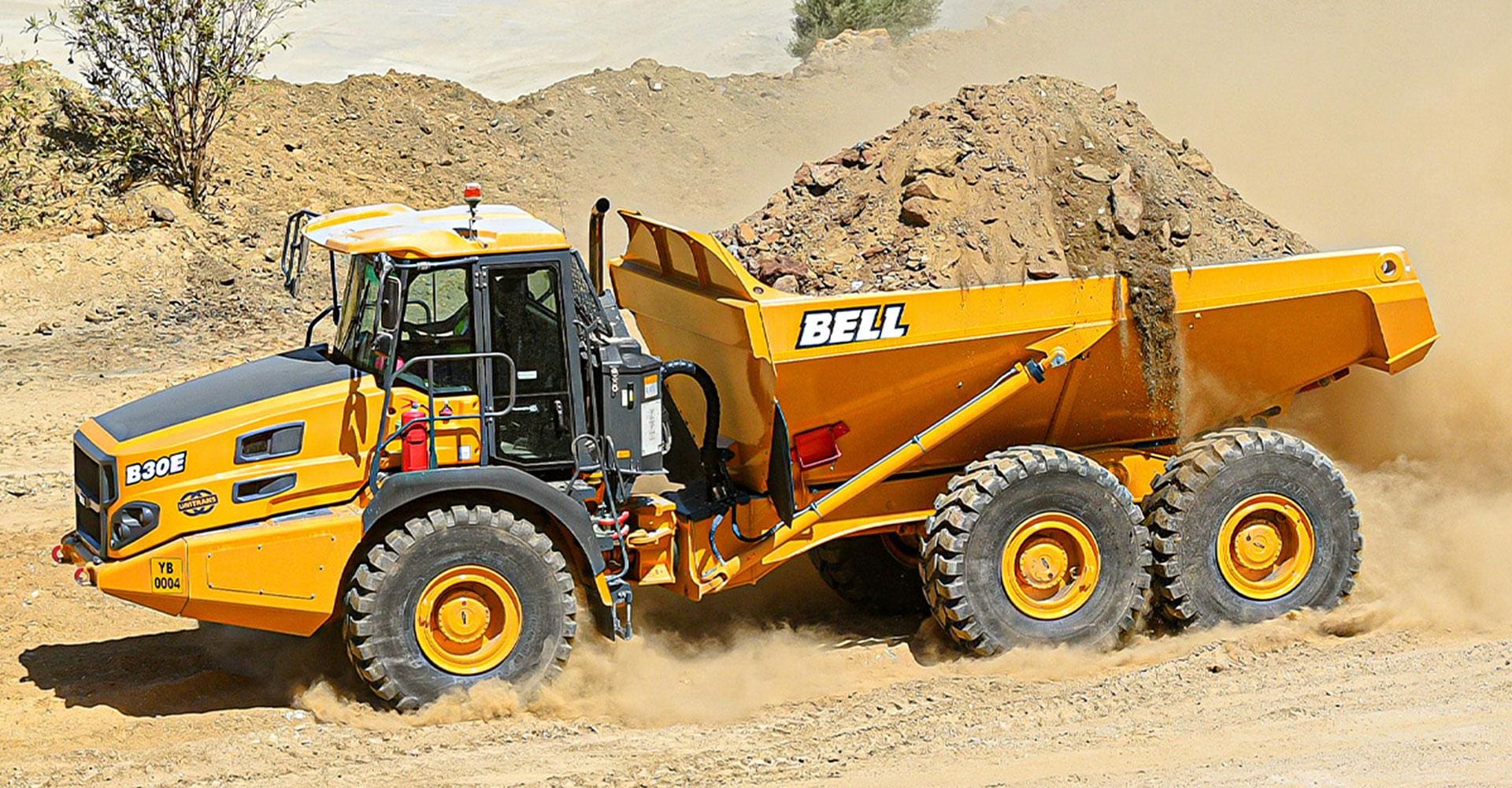
Heavy machinery leader Bell Equipment showcased its massive domestic footprint, operating 40 000 square metres of manufacturing space and employing over 3 000 workers directly. The homegrown firm relies on more than 900 local suppliers, consumes over 14 000 tons of local steel, and leverages a team of over 100 engineers to export to 80 countries.
Over the past decade, Bell Equipment has pumped R40 billion into local procurement and generated R60 billion in export revenue.
The company plans to scale its motor grader footprint, expand into electric vehicles and defence, and double its workforce, backed by favourable provisions from the Automotive Production and Development Programme.
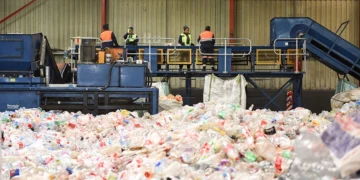
Meanwhile, forestry and paper giant Mondi South Africa demonstrated how decarbonisation can anchor industrial growth.
Supporting 10 000 livelihoods and 3 500 rural timber growers, Mondi South Africa generated R3.4 billion in export revenue in 2025. A standout initiative is Project Vuselela—a R3 billion biomass boiler in Richards Bay slated for commissioning in mid-2027. This project will slash coal-related greenhouse gas emissions by 92% while integrating small-scale rural timber growers into a burgeoning local biomass economy.
Despite these triumphs, Mondi South Africa voiced acute concerns over surging imports of bleached pulp, containerboard, and uncoated fine paper, which nearly doubled between 2023 and 2025.
In response, Tau assured stakeholders that the DTIC will leverage proper trade remedy processes to safeguard the pulp and paper sector, which contributes R55 billion to the economy and sustains roughly 150 000 jobs.
Tau concluded his KZN tour by rallying regional business leaders through the Zululand Chamber of Commerce and Industry, emphasising collaborative strategies to shield local value chains and stimulate sustainable industrial expansion. – https://www.thedtic.gov.za