






































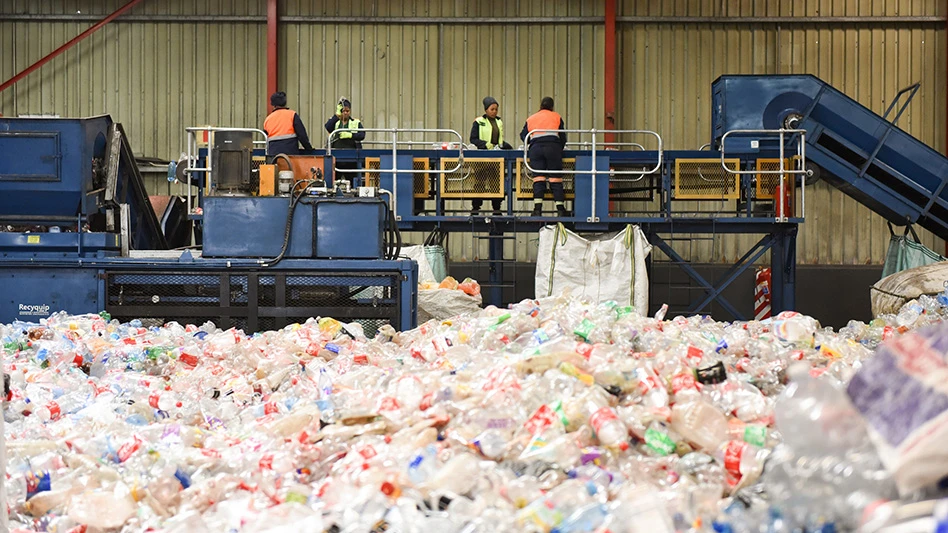
Plastic collectors and recycling SMEs could see more business as more than R4 billion has been invested since 2020 to expand recycling capacity, redesign plastic packaging and increase the use of recycled materials.
The investment comes as the South African Plastics Pact moves into its next phase, with new 2030 targets aimed at increasing recycling and reducing the use of virgin plastic.
One of the biggest targets is a 55% output recycling rate for plastic packaging. This measures the amount of plastic that is actually recycled and put back into the economy.
The Pact’s latest Impact Report shows that the amount of recyclable packaging placed on the market by member companies increased by 28%, or 34 000 tonnes, since 2020.
The amount of plastic recycled also increased by 9.1% to 471 000 tonnes in 2024.
More work across the recycling chain
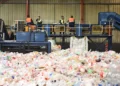
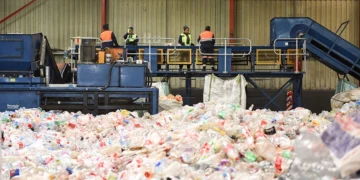
The changes could create more work for SMEs that collect plastic from households and businesses, sort and bale it, transport it to recycling facilities, or process it into material that can be sold to manufacturers.
Demand for recycled material is also growing, with Pact members increasing their use of post-consumer recycled material by 300% since 2020, replacing 30 000 tonnes of virgin plastic.
Since 2020, members have cut problematic and unnecessary plastic items by 35%, while 72% of their packaging portfolios are now recyclable, reusable or compostable.
Pact chairperson and PepsiCo Southern Africa public policy and government affairs manager Blain van Wyk said the initiative was moving towards practical solutions across the plastics value chain.
“By bringing together resin producers, converters, brand owners, retailers, recyclers, civil society organisations, and national and local government, we have deepened collaboration and shared insight into the actions needed to meet our 2025 targets,” he said.
New targets create demand
The Pact’s 2030 targets include a 20% reduction in virgin-fossil-fuel-based packaging intensity.
It also aims to make 100% of rigid plastic packaging recyclable and 70% of flexible plastic packaging recyclable.
The fourth target is a 55% output recycling rate.
Van Wyk said the work was increasingly centred on practical changes such as packaging design, demand for locally sourced recycled material, reuse and refill models, and better data reporting.
This increased demand for locally sourced recycled material could benefit smaller businesses that collect and prepare plastic for recycling, particularly where they can supply material that meets buyers’ quality requirements.
The Pact is also continuing Plastic Reboot – South Africa, a five-year project working on circular economy solutions in the food and beverage sector.
The project is being delivered with the United Nations Industrial Development Organization, World Wide Fund for Nature, Council for Scientific and Industrial Research and GreenCape.
GreenCape Circular Economy programme manager Saloshnee Naidoo said the next phase would place greater emphasis on measurable action.
“With the launch of the 2030 targets and the Plastic Reboot project, we are sharpening our focus on systemic changes that will drive South Africa toward a truly future-fit plastics economy,” she said.
Businesses prepare for bigger role
The Pact’s new Steering Committee includes representatives from brand owners, retailers, converters, recyclers, hospitality and food service, waste collectors, government and NGOs.
Incoming chair Ralph Jewson, Project Manager in the Sustainability Office at Woolworths, said the 2030 Roadmap would guide the next stage of the work.
“The imminent publication of our 2030 Roadmap lays out the pathway and strategy for the work to come,” he said.
Jewson said the targets were intended to drive progress towards a circular economy while stimulating job creation and local investment in the packaging market.