















































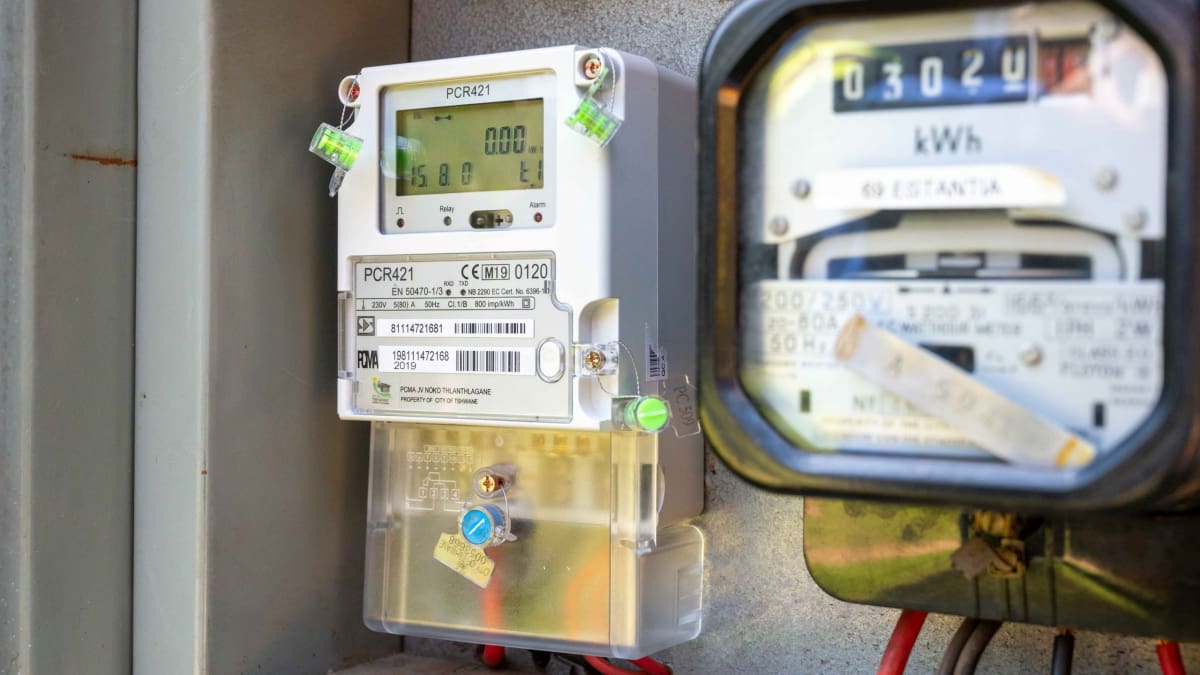
Small businesses operating from homes in Tshwane could face penalties of up to R75,000 if their prepaid electricity meters are found to have been bypassed or tampered with.
The Tshwane Metro has recorded more than 2,000 tampered meters linked to almost R75 million in costs, while Eskom estimates that electricity theft cost it about R29 billion in potential revenue during the year to March 2026.
Salons, catering services, laundries and workshops are among the enterprises that depend on electricity to operate. A large penalty, reconnection fee or prolonged power interruption could put additional pressure on already tight cash flow.
Electricity and Energy Minister Kgosientso Ramokgopa said customers should not have to carry the cost of electricity theft, non-payment and other avoidable losses.
“Customers cannot be expected to carry the cost of avoidable inefficiencies, electricity theft, non-payment, or delayed reform,” Ramokgopa said.
The crackdown comes as municipalities and Eskom try to recover revenue lost through electricity theft and reduce pressure on the electricity network.
Business owners using residential properties need to understand the rules around their electricity meters and ensure their connections are compliant.
What the Tshwane figures show
Tshwane recorded 2,057 tampered meters between July 2024 and January 2025, according to information from the metro. The cumulative cost associated with the tampering was almost R75 million.
The metro recorded 442 accounts linked to a second tampering offence and 249 linked to a third offence. A total of 1,201 tampered meters were reconnected after customers paid the required reconnection fees.
These figures show the costs that can follow meter tampering, particularly where reconnection is needed to restore electricity supply.
Tampering is only one part of the problem. Illegal connections and so-called ghost vending, where electricity is obtained through fraudulent prepaid transactions, also contribute to revenue losses across the electricity system.
Tshwane has been replacing older meters with smarter systems that are more difficult to bypass as part of its efforts to reduce electricity theft.
The bigger electricity bill
The financial impact becomes much larger when Tshwane’s figures are placed alongside Eskom’s national numbers.
Eskom lost 13.1TWh of electricity to theft during the year to March 2026, according to outgoing Group CFO Calib Cassim. At an average selling price of about R2.20 per kilowatt-hour, that translates into roughly R29 billion in electricity that was generated, consumed but never billed.
“We can’t do it alone. We need government, we need law enforcement to make this happen,” Cassim said.
The R29 billion is almost as much as Eskom’s R30.3 billion profit after tax in the same financial year, showing the scale of the revenue loss.
Electricity losses also have a direct operational cost. Power cuts can interrupt trading, damage equipment, spoil stock and force owners to spend money on alternative power.
Eskom is also dealing with unpaid municipal accounts. Municipalities owed the utility R111.6 billion at the end of March 2026, rising to about R119 billion by June.
Ramokgopa described municipal debt as “one of the most serious structural threats to Eskom’s financial sustainability”.
Cassim also pointed to R15.8 billion invoiced to defaulting municipalities that was not recognised as revenue because Eskom only records the income once the cash is received.
Enforcement and business risks
Eskom CEO Dan Marokane said the utility had 710 active forensic cases at the end of March, with 505 arrests, 13 convictions, 15 employees dismissed following forensic referrals and 299 criminal matters reported to police.
“These numbers represent progress, but activity is not final accountability. Arrests are not convictions, and active cases are not completed investigations,” Marokane said.
The continued enforcement means owners using residential electricity connections need to pay attention to the condition and legality of their meters.
For an enterprise that depends on electricity to serve customers and keep equipment running, losing supply can mean lost trading time and additional costs.
A penalty or reconnection cost could add further pressure to monthly expenses at a time when cash flow is already critical to keeping the business running.