







































A wave of commercial interest surrounding seaweed-infused livestock feed is forcing commercial feedlots and agricultural investors in the Western Cape to re-evaluate the plant.
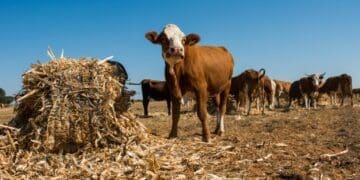
Introducing a fraction of red seaweed (Asparagopsis taxiformis) into a ruminant’s daily ration can disrupt the enzymatic processes in a cow’s stomach, dramatically lowering enteric methane emissions.
Yet behind the eye-catching climate headlines lies a cold commercial question for South African agriculture: can seaweed transition from an experimental lab additive into a scalable, profitable livestock feed business?
While global biotech startups market the compound as the future of sustainable ranching, local feed producers and livestock nutritionists are scrutinising the unit economics.
For South African farmers facing soaring maize, soy, and electricity overheads, adopting a novel feed ingredient requires proof of clear economic yield, either through improved feed conversion ratios or lower total input costs per kilogram of weight gained.
Recent headlines showcasing a staggering 98% reduction in methane emissions from South African cattle trials generated widespread interest.
However, industry stakeholders point out that this headline figure was derived from a highly controlled pilot study involving just five cows.
While laboratory trials confirm the biochemical potency of bromoform, the active compound in red seaweed, scaling those results across South Africa’s estimated 12 million cattle herd presents vast logistical and financial hurdles.
Sourcing bottlenecks and scaling constraints
The primary barrier to building a domestic seaweed-to-feed value chain is supply capacity. Wild harvesting of Asparagopsis along South Africa’s coastline is ecologically unviable and legally restricted, meaning any commercial supply must be grown via onshore tanks or offshore aquaculture installations.
“You cannot build a commercial livestock feed business on wild storm-tossed kelp,” explains Dr Heinrich van der Merwe, an agricultural economist specialising in livestock inputs.
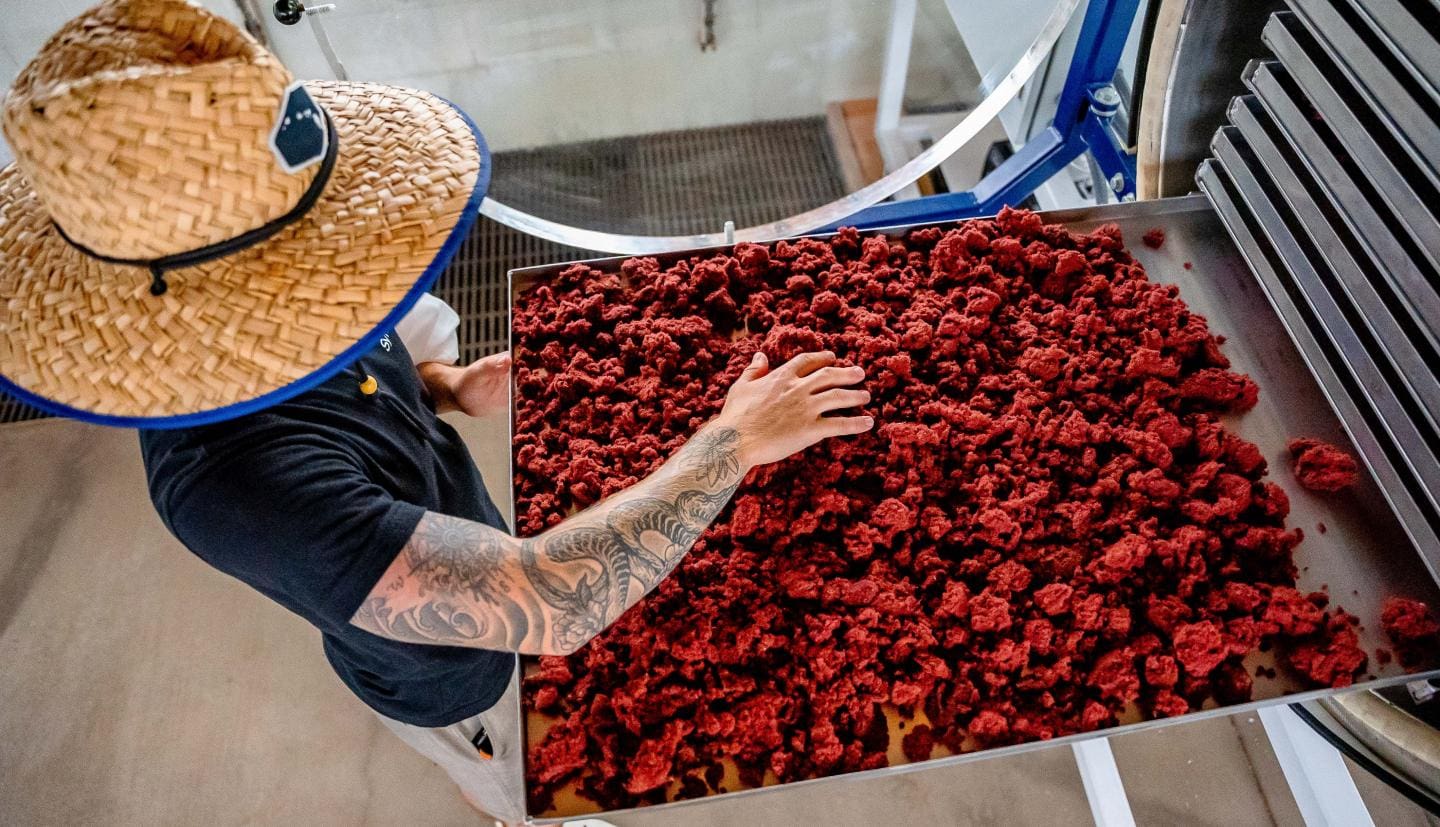
“To supply even 5% of the Western Cape’s commercial feedlots, you need thousands of tonnes of uniform, freeze-dried biomass processed to exact chemical standards every month. The localised processing and drying infrastructure simply does not exist in South Africa at that scale yet.”
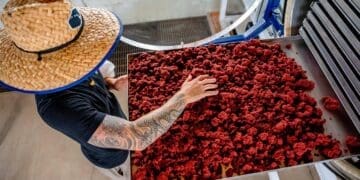
Establishing land-based aquaculture raceways or offshore marine farms in the Western Cape requires significant upfront capital investment. Energy-intensive freeze-drying processes necessary to preserve the volatile bromoform compound add significant operational costs before the feed additive even reaches a commercial distribution centre.
Establishing the commercial return for farmers
To achieve market uptake, seaweed feeds must deliver a tangible return on investment on the farm floor. International feedlot trials suggest that when methane production is suppressed, energy previously lost as gas is redirected back into the animal’s digestive system, occasionally improving feed conversion efficiency by up to 15% to 20%. If localised South African trials can consistently demonstrate that cattle reach slaughter weight faster or require less grain per kilogram of meat produced, the economics shift dramatically from a green cost to an operational margin driver.
“Farmers operate on razor-thin margins, especially given current grain price volatility,” says Francois Marais, a Western Cape feedlot nutritionist.
“If a seaweed additive costs R50 per head per month, it has to generate at least R60 worth of additional meat gain or grain savings to make commercial sense. Until carbon-credit markets or retailers pay a direct cash premium for low-emission beef, feed efficiency is the only metric that will convince a feedlot manager to sign a purchasing agreement.”
Building a sustainable seaweed feed industry in South Africa ultimately depends on aligning aquaculture developers, feed manufacturers, and retail buyers into a synchronised supply chain.