



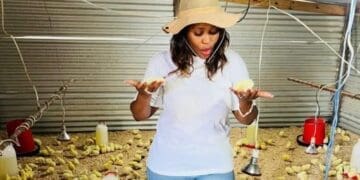



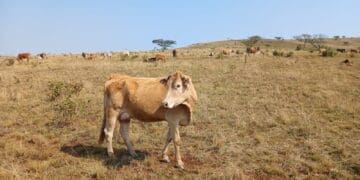































Dairy and livestock specialist Audrey Magagula urged small-scale farmers in South Africa to protect their herds as El Niño-driven temperatures rise.
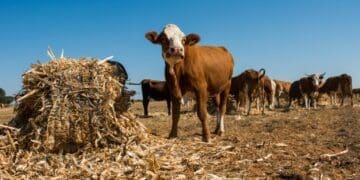
South Africa is bracing for severe climatic disruptions as an exceptionally strong El Niño event intensifies in the Pacific Ocean. Meteorological authorities and scientists warn that the phenomenon is set to bring below-normal rainfall alongside unprecedented heatwaves, posing significant risks to the country’s agricultural sector, livestock, and water infrastructure
She emphasised that early preparation is far more cost-effective than losing stock, noting that heat stress severely impacts reproduction, feed intake, milk yield, and overall farm profitability.
To mitigate heat stress, Magagula advised ensuring continuous access to clean, cool drinking water with backup sources readily available. Farmers should provide adequate shade through natural trees or built structures, ensuring housed livestock like poultry and pigs have proper ventilation.
To maintain production levels, supply high-quality feed and restrict handling to early morning or late afternoon to minimise exertion.
Key warning signs of heat stress include excessive panting, drooling, lethargy, standing continuously, decreased appetite, and reduced milk production. Severe cases can lead to collapse or death.
Magagula stressed the necessity of emergency planning for power outages, equipment failures, and severe heat events. She called on agricultural stakeholders to collaborate in safeguarding livestock health and long-term farm sustainability.