

















































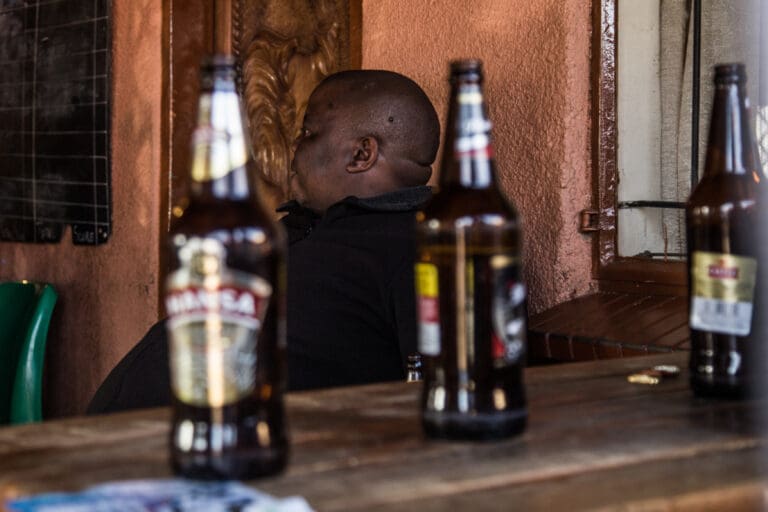
The DG Murray Trust (DGMT) is taking its challenge over the Northern Cape’s liquor laws to the Constitutional Court, seeking restrictions on late-night alcohol sales.
The case centres on the Northern Cape Gambling and Liquor Act of 2024, which allows licensed on-consumption establishments to trade until 2 am and nightclubs until 6 am from Monday to Saturday.
In April, the Northern Cape High Court found the provincial legislature’s public participation process constitutionally inadequate. DGMT is asking the Constitutional Court to confirm the relevant invalidity ruling and grant further relief, including a temporary midnight cut-off for on-site alcohol sales.
Although the dispute concerns Northern Cape legislation, it has drawn attention from liquor traders concerned about the potential commercial implications of tighter trading-hour regulations.
Weekend trade under pressure
Tavern owner Mutshutshu Magadani, who operates in Limpopo, said shorter trading hours could affect profits, particularly on Fridays and weekends when businesses attract customers and host events.
“Reducing trading hours impacts profits for all traders all over the country, especially on Fridays and weekends, because that is when we make the most money. We also book music artists to host bashes,” he said.
For businesses that spend money booking performers and organising events, late-night trading can provide additional time to generate sales and recover costs.
The National Liquor Traders Council has also opposed the proposed midnight cut-off, questioning why the Northern Cape has been singled out and whether the restriction is supported by sufficient evidence.
Council representative Lucky Ntimane challenged the rationale for limiting trading hours to midnight.
“There isn’t any scientific basis to want to push for trading hours to be restricted to midnight, because what is the issue? What is it that the DG Murray Trust is trying to achieve?” Ntimane said.
He argued that alcohol-related harm should be addressed in areas where problems are most severe, rather than through restrictions affecting an entire province.
Ntimane also questioned the differences in liquor trading hours between provinces, arguing that the approach to regulation should have a rational and legally defensible basis.
“It’s very clear that it does take into consideration that there are provincial differences. You cannot have different opening hours in one province and next door you have different liquor trading hours,” he argued.
Ntimane warned that the changes could threaten small liquor traders who operate taverns in local communities.
He argued that municipalities and provincial liquor boards should have the authority to extend trading hours to help sustain and support local businesses.
DGMT argues that extended alcohol trading hours are associated with increased alcohol-related harm, including interpersonal violence and road accidents.
The body is seeking a midnight cut-off for on-site alcohol sales and restrictions on Sunday takeaway sales in the Northern Cape while the province addresses the legal defects identified by the High Court.
The Constitutional Court hearing in November will bring clarity in determining the legal future of the Northern Cape’s liquor trading-hour regulations.