









































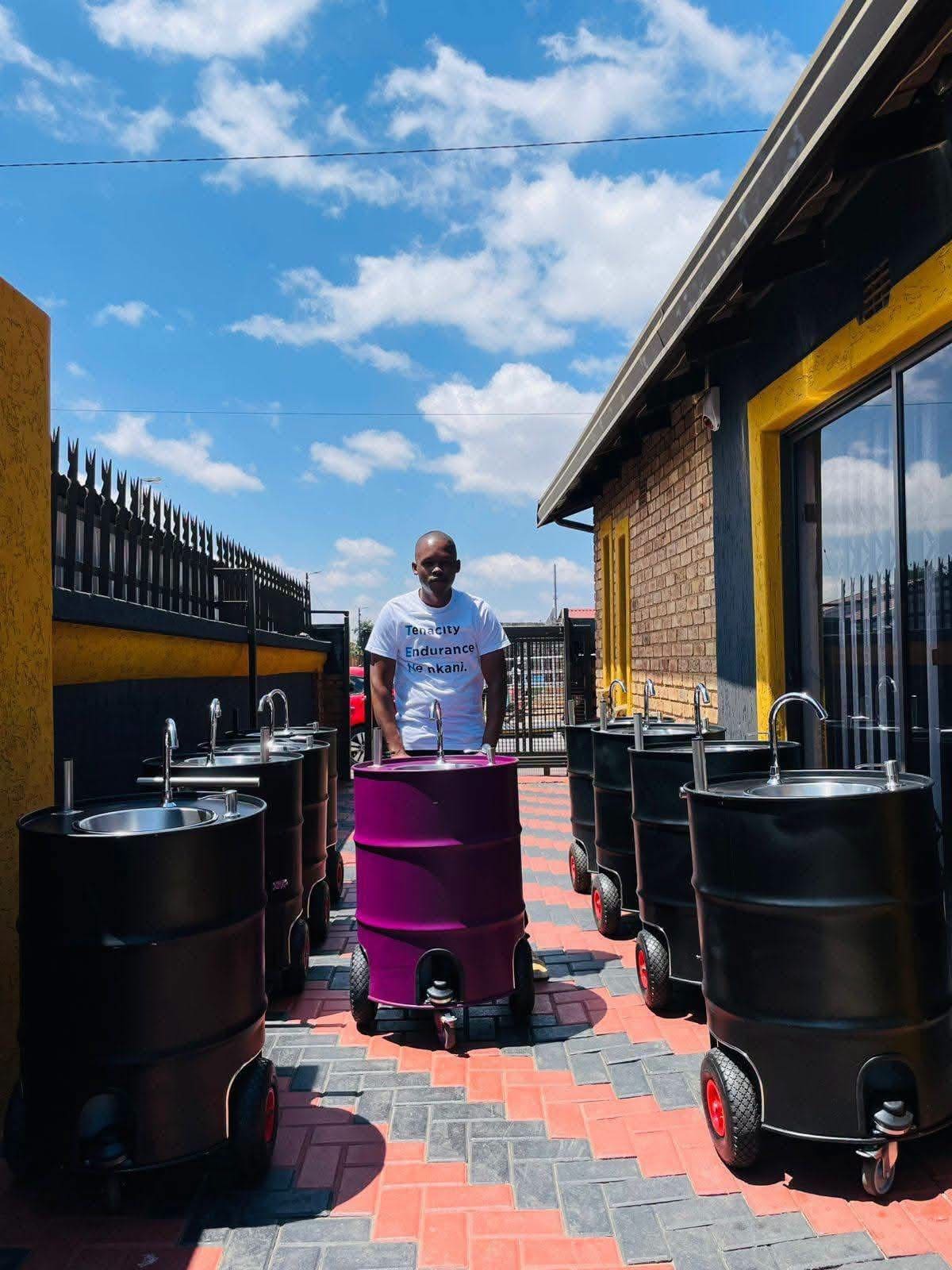
An emerging hygiene-services business in Daveyton, Ekurhuleni, is changing the landscape of mobile sanitation across South Africa.
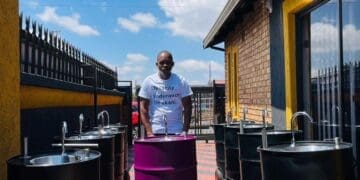
Founded by entrepreneur Kagiso Ranyawa, Tshimologo Hygiene Rentals manufactures mobile handwashing stations and sanitation units tailored for events, clinics, schools, and corporate reception areas where permanent plumbing is unfeasible or non-existent.
The inspiration behind Tshimologo hygiene solutions stemmed from a simple observation.
“We saw a gap for this based on attending many events and realising that handwashing is often an afterthought compared to bathroom facilities,” Ranyawa explains.
Introducing the mobile handwashing units to the market yielded an overwhelmingly positive response from consumers, establishing a strong foundation for the business.
Marking its first anniversary recently, Tshimologo expanded its offerings by introducing a new mobile kitchen unit. Designed to serve areas lacking direct access to water and electricity—or clients seeking to reduce utility costs—the unit features an integrated two-plate gas burner.
It offers a practical solution for new housing developments, informal settlements, and rural communities waiting for municipal infrastructure.
To ensure long-term durability and sustainability, the company’s manufacturing process has evolved over time. While the team originally bought and refurbished old steel barrels, they now fabricate custom drums directly from flat stainless steel sheets, giving the stations a distinct, high-quality design.
Water conservation remains a central priority for the brand, particularly in regions facing severe supply shortages. Tshimologo’s units feature eco-friendly, water-saving mechanisms where users depress a pedal or valve to dispense only the precise amount needed.
This system is especially beneficial for South African schools, many of which struggle with reliable municipal water connections. Out of approximately 25,000 schools nationwide, thousands lack running water, making mobile sanitation stations an essential intervention to improve hygiene and public health.
The company’s growth has been fueled by financial discipline and self-funding. “I was disciplined enough to save initial capital to launch the idea,” says Ranyawa. “By God’s grace, the business generated income that we reinvested to fund our growth. For the past year, we have been completely self-funded.”
Looking forward, Ranyawa aims to expand the distribution of hygiene units to healthcare facilities, clinics, and educational institutions nationwide. Offering advice to aspiring entrepreneurs, he emphasises the importance of thorough market research before launching a venture.
“Entrepreneurs must first understand their target market thoroughly,” Ranyawa advises. “Every market is different, and every business model has its own unique demands.”