






























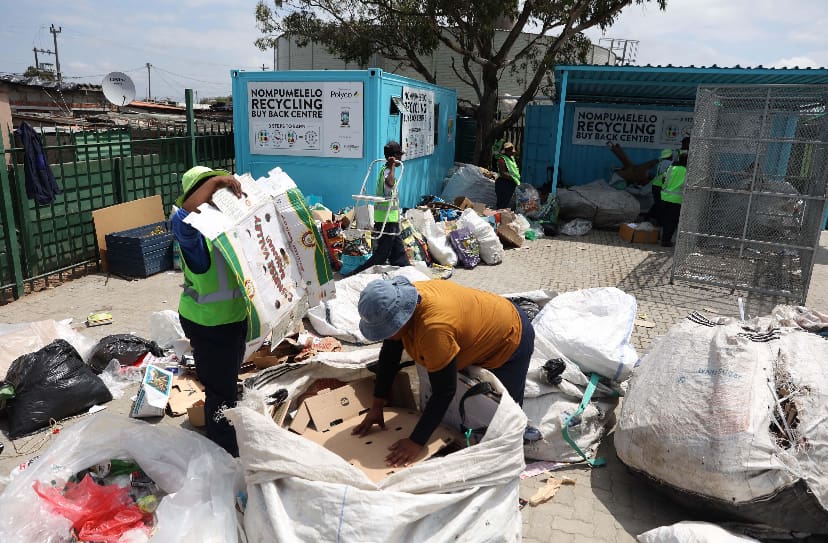
What many South Africans regard as rubbish is becoming a source of income for a growing number of informal recyclers and small businesses.
From collecting cans and bottles to sorting and selling recyclable materials, the waste trade is creating a low-cost entry point into South Africa’s informal economy.
However, fluctuating material prices, transport costs and limited access to equipment and finance make it difficult for small operators to turn recycling into a sustainable business.
For Andiswa Khumalo, a cleaner and mother of four, recycling started as a way to earn extra money but has since become part of her daily routine.
“I started collecting recyclable cans, bottles and other materials as a small side hustle after a colleague told me I could earn extra money by taking them to a scrap yard,” she said.
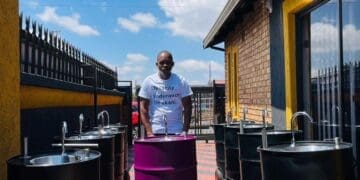
Khumalo collects recyclable materials from people in her community, who leave bottles, cans and other items in a bag outside her home. She sorts the materials before taking them to a scrap yard, where she is paid according to weight.
“The money helps me with transport and household expenses, especially before payday,” she said.
Her experience reflects a broader opportunity within South Africa’s waste economy, where recycling can provide income and employment while helping address the country’s waste-management challenges.
The Department of Forestry, Fisheries and the Environment has identified the waste sector as an area with potential for job creation and greater participation by small businesses. The department’s National Waste Management Strategy also aims to broaden the participation of small and medium-sized enterprises and marginalised communities in the waste sector.
State seeks to expand waste economy
The Waste Economy Enterprises Repository of South Africa (WEERSA), which went live in June 2026, is intended to connect waste-sector enterprises with funding and empowerment opportunities.
According to Professor Isaac Rampedi, an environmental management expert at the University of Johannesburg, recycling can contribute to both environmental protection and local economic development.
“As more people participate in recycling, communities not only reduce pollution but also create opportunities for income generation and local economic development,” Rampedi said.
However, while recycling provides an accessible source of income, turning it into a sustainable business remains challenging.
Fluctuating prices for recyclable materials and transport costs can significantly affect earnings for small-scale recyclers such as Khumalo,
Businesses seeking to move beyond collecting and selling waste also need equipment, storage facilities, financing and reliable markets.
A 2025 government profile of recycling entrepreneur Sifiso Gumbi, founder of Urban Surfer, highlighted how infrastructure and support can help waste reclaimers access markets more effectively.
K1 Recycling founder Tshepo Mazibuko also started as a waste picker before building a recycling business. A R5 million government grant helped the company acquire processing machinery and expand its operations.
These examples highlight the difference between collecting recyclable materials for supplementary income and building a larger recycling enterprise. Moving further up the recycling value chain requires equipment, storage, transport, reliable buyers and access to finance.
Opportunities across the waste value chain
The government’s Working on Waste programme identifies recycling and buy-back centres as potential drivers of SMME development and employment across the waste value chain.
Recycling remains a practical starting point for people such as Khumalo.
She said the activity gives residents an easy way to dispose of recyclable materials that might otherwise be dumped or sent to landfill, while allowing her to earn additional income.
“It may not make you rich overnight, but it helps,” she said.