





































South Africa’s growing tourist numbers are creating fresh opportunities for small businesses to tap into rising demand for accommodation, transport, experiences and locally produced goods.
Between January and May, South Africa recorded 4 220 586 international tourist arrivals, compared with the same period in 2025. Arrivals from the African market grew by 14.7%, while European arrivals increased by 11.1%.
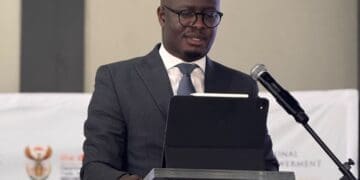
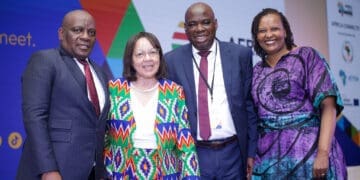
Tourism Minister Patricia de Lille said the latest figures indicate that investment in infrastructure and efforts to improve access to destinations are beginning to deliver results.
“These results affirm that our decision to invest in tourism infrastructure, improve ease of access and diversify our tourism offerings across the country is paying off,” said De Lille.
She said South Africa’s combination of its people, natural attractions, heritage and infrastructure continued to strengthen its position as a tourism destination.
International arrivals strengthen tourism outlook
In May, the country recorded 861 750 international arrivals, representing 7.2% growth compared with May 2025. Overseas tourist arrivals increased by 12.1%.
The United States was the leading overseas market, with 41 846 arrivals, followed by the United Kingdom with 22 160.
Brazil also recorded significant growth, with arrivals increasing by 40.6% in May, from 4 737 to 6 660.
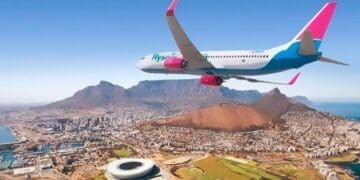
De Lille said the growth from Brazil was particularly encouraging as LATAM Airlines prepared to introduce a direct Cape Town-São Paulo service.
“Every new air route creates new opportunities for tourism, trade and investment,” she said.
The airline began operating the new non-stop route in July, with three flights per week, strengthening connectivity between South Africa and Latin America.
Rural tourism brings opportunities
The growth in visitor numbers is being accompanied by investment in tourism infrastructures.
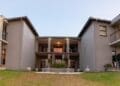
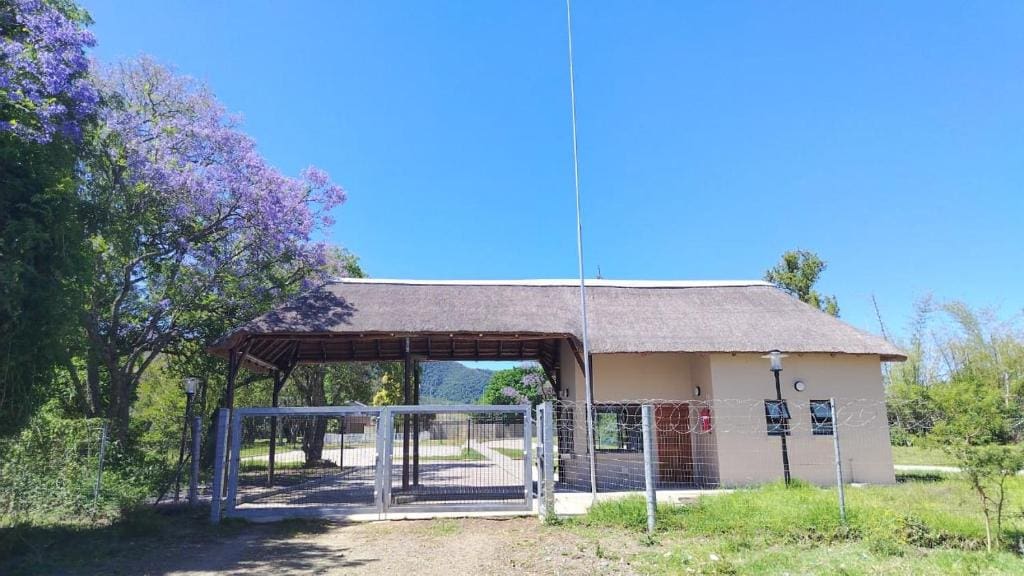
In the Eastern Cape, Deputy Tourism Minister Makhotso Sotyu recently unveiled the Mthontsi Lodge and Conference Centre in the rural town of KwaMaqoma.
The Department of Tourism invested R31 million in the facility, which includes 13 chalets with capacity for 52 guests, backpacker accommodation for 32 guests, a restaurant, conference facilities and other supporting infrastructure.
The lodge is positioned to attract visitors interested in the area’s natural, historical and cultural attractions, while also serving as a base for travellers heading towards destinations such as Makhanda, Gqeberha and East London.
“The return on investment will be measured by the opportunities this lodge and conference centre creates for the youth, women entrepreneurs, and the local businesses within this community,” said Sotyu.
The construction project created opportunities for local SMMEs, women and young people. The completed facility currently employs five permanent staff members and 10 temporary workers.
Turning heritage into economic opportunity
Mthontsi also demonstrates how tourism can use local heritage to create new economic opportunities.
The area has historical significance dating back to the 1800s and was an epicentre of the War of Mlanjeni between Africans and Europeans.
The lodge was built on a farm acquired by the Amathole District Municipality through the Land Reform Programme. More than 240 farm dwellers and their descendants now form the core of the Mthontsi Waselukhuko Primary Co-operative, which benefits from the project.
Amathole District Municipality Executive Mayor Cllr Anele Ntsangani said the development could transform the historically significant site into a source of economic opportunity for the community.
“Transforming this historic site of conflict into a place of remembrance, healing, and economic opportunity, the Lodge restores the dignity of the fallen heroes who resisted colonialism and lays a foundation for inclusive growth in the region,” said Ntsangani.