







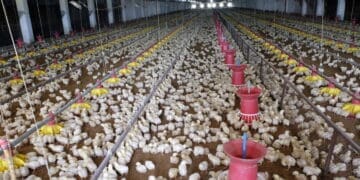









































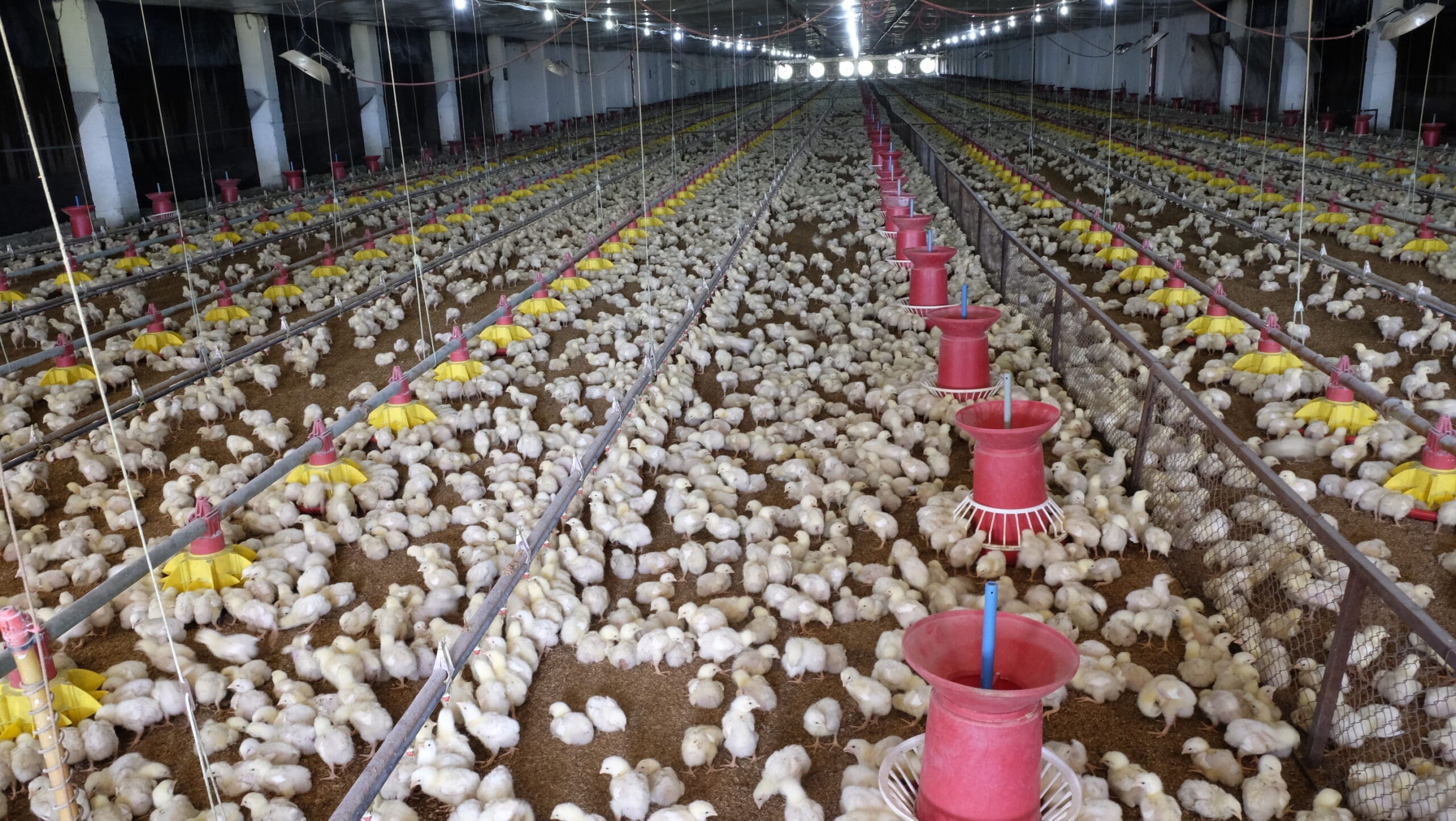
A poultry farmer who lost thousands of chickens and millions of eggs after being ordered to destroy them during a bird flu outbreak has won a compensation battle against the State, following a Supreme Court of Appeal ruling that could have wider implications for South Africa’s poultry industry.
The case dates back to May 2021, when avian influenza was detected at George Moerasrivier Boerdery. State veterinary authorities ordered the destruction of infected and exposed birds and eggs to prevent the disease from spreading. The farmer complied but was later left with a compensation claim assessed at zero by the Director of Animal Health.
The department argued that the poultry had no value because the birds were likely to die and could no longer be traded. The farmer challenged that position, arguing that the birds and eggs should be valued according to what they would have been worth before being exposed to the disease.
On 28 October 2026, the Supreme Court of Appeal dismissed appeals by the Director of Animal Health and the Minister of Agriculture in a three-to-two majority decision. The court upheld the requirement that poultry destroyed under compulsory disease-control measures be valued as if it had not been infected, using fair market value.
The ruling has been welcomed by the South African Poultry Association (SAPA), which supported the legal challenge because of its potential implications for other producers.
“This is an important victory for poultry farmers and everyone who depends on a reliable supply of chicken and eggs,” said Izaak Breitenbach, CEO of SAPA’s Broiler Organisation.
“Compulsory culling can remove a farmer’s productive flock in a matter of days. Farmers who comply are helping to protect other farms and the public, and fair compensation recognises that shared benefit.”
What the ruling means for poultry businesses
The decision is important for poultry producers because compulsory culling can wipe out a farm’s productive capacity, leaving businesses to deal with lost income and the cost of rebuilding their operations.
Under section 19 of the Animal Diseases Act, farmers can apply for compensation when their animals or other property are destroyed under official disease-control measures.
However, the ruling does not guarantee that affected farmers will receive the full market value of their destroyed poultry. The Director of Animal Health must reconsider the claim and determine the amount payable, taking into account factors such as insurance payments, any value returned to the owner and money owed to the State.
The judgment also distinguishes between animals destroyed under official control measures and those that die before such measures are imposed. Animals that die before the official intervention are not covered by this compensation provision.
For an industry that has experienced significant losses from avian influenza, the decision could also influence how other compensation claims are handled.
Breitenbach said confidence in fair compensation was important for encouraging farmers to report outbreaks and cooperate with veterinary authorities.
“Confidence that compensation will be assessed fairly strengthens our ability to respond quickly to outbreaks,” he said.
“That matters for animal health, investment, jobs and food security across both the chicken and egg industries.”
Industry awaits the State’s next move
The ruling comes against the background of major losses suffered by poultry producers during the 2023 bird flu outbreak. Industry estimates put the financial impact at billions of rand, with companies including Astral Foods, Quantum Foods and Rainbow Chicken also affected by disease-related disruptions.
SAPA has called for outstanding compensation claims to be addressed fairly and promptly in line with the judgment.
However, the State still has the option of seeking leave to appeal to the Constitutional Court. The reported deadline is 19 November 2026.