


















































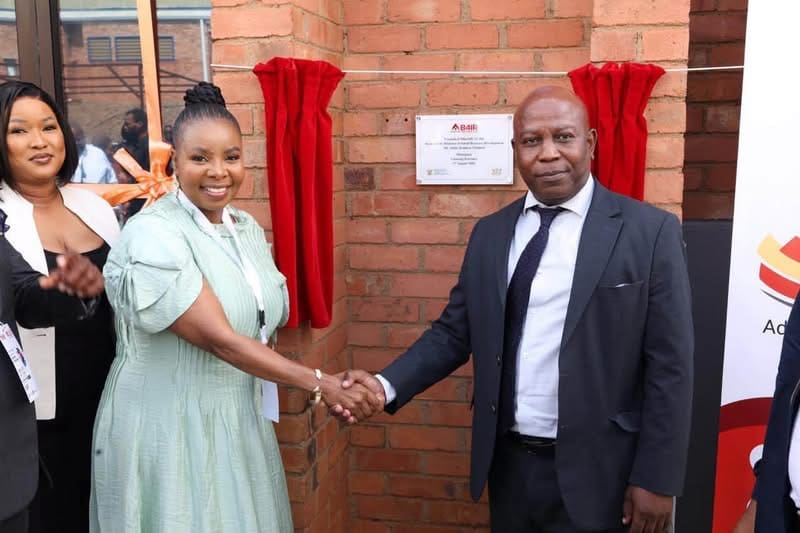
A R27.6 million investment is set to give young people and SMEs better access to technology, skills, mentorship, and business support through the Africa Beyond 4IR (AB4IR) Digital Innovation, Technology, and Incubation Hub.
The hub was officially opened last week at Tshwane South TVET College’s Mabopane Campus. The investment through the Small Enterprise Development Finance Agency (SEDFA) will strengthen AB4IR’s facilities, programmes, and incubated enterprises.
The initiative comes as small businesses face pressure to use technology, reach more customers and compete in a changing business environment. It also aims to help entrepreneurs develop ideas into businesses that can create jobs and reach new markets.
AB4IR CEO Ingdrid Mhlophe said the organisation operates nationally while being based in Mabopane. It was established as a digital innovation, incubation and technology hub aimed at supporting entrepreneurs and helping them develop their businesses.
She said SEDFA has played an important role in helping establish the incubator and procure equipment, while continuing to support the initiative since 2020.
“All the funds they have helped us with have enabled us to put bread on the table for some of our SMMEs, some of our members, and the community at large,” Mhlophe said.
Access to expensive technology, specialised skills and business advice can be difficult for small businesses with limited resources. The hub aims to reduce some of these challenges by giving entrepreneurs access to technology and support as they develop their businesses.
The hub also gives entrepreneurs access to technologies such as drones and 3D printing, which were showcased during the opening.
Support to help small businesses grow
SEDFA board chairperson Patric Makape said the launch formed part of the agency’s wider digital strategy and its development of digital hubs.
Makape said SEDFA’s role went beyond giving entrepreneurs financial support.
“This fits in well with what we are trying to do as SEDFA, in terms of not only providing financial support but also providing non-financial support to entrepreneurs,” he said.
He said the agency also helps entrepreneurs find markets where they can sell their products and innovations.
“With all the products and innovations they are producing, we are then able to say that we want to help market them and provide markets for them, both locally and internationally.”
Minister of Small Business Development Stella Tembisa Ndabeni said the hub will give young people and SMEs access to technology, skills development, mentorship and business support needed to turn innovative ideas into sustainable businesses, take part in the digital economy, and create jobs.
The Department of Small Business Development has previously identified digital hubs as a way of supporting township and rural businesses in the digital economy. Its digital hub programme has focused on areas such as gaming, animation, coding, data science, 3D printing, robotics and electronics. The Mabopane hub now gives entrepreneurs access to this type of support closer to their communities.