














































South Africa is bracing for an El Niño weather cycle expected to bring below-average rainfall and elevated temperatures, raising immediate concerns for municipal water security and agricultural yields across the interior.
However, within the country’s industrial heartland, the shift toward prolonged dry conditions presents a counterintuitive operational advantage for open-cast coal mining operations.
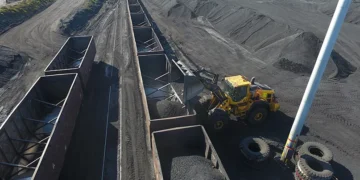
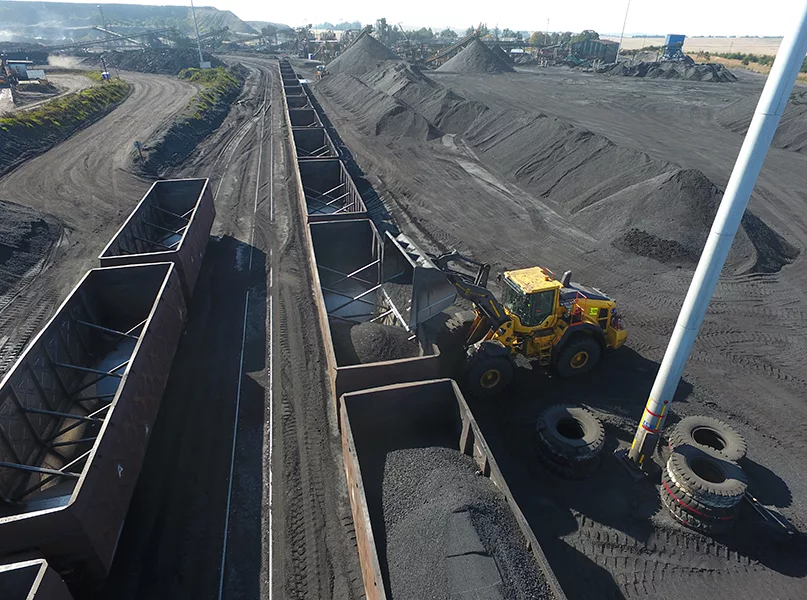
Heavy rainfall frequently causes severe production bottlenecks by flooding pit floors, saturating haul roads, and stalling heavy earthmoving machinery.
A drier operational window could provide the conditions needed to mitigate weather-related downtime and sustain output.
The potential operational reprieve comes at a critical juncture for the domestic coal sector, which continues to face structural headwinds and declining volumes.
According to recent data from Statistics South Africa, coal production fell by 7.5% year-on-year in July 2026, even as coal sales value rose by 5% over the same period due to pricing dynamics.
This widening gap between production output and sales revenue underscores the operational pressure on miners to maximise run-of-mine extraction while market demand remains firm.
For surface operations in Mpumalanga and Limpopo, keeping pit floors dry and haul trucks moving continuously is critical to closing that supply shortfall.
The disruptive operational impact of rainfall on South African surface coal operations is well documented in academic and field research.
A landmark operational study examining Wescoal’s Khanyisa Colliery in Mpumalanga during peak summer rainfall periods revealed that wet-weather delays cut haul truck load-and-haul success rates by more than 10%, while equipment breakdown rates doubled from 20% during dry periods to 40% during rain events due to degraded, muddy haulage routes.
At typical production rates, clearing a flooded pit and repairing waterlogged access roads can require days of continuous pumping before primary extraction can safely resume, a compounding operational drag that drier El Niño cycles directly alleviate.
The ceiling on dry-weather benefits
Confirming the physical hazards that out-of-season rainfall poses to open-cast pit floors, Kierra Chetty, Principal Consultant for Climate Change at WSP in Africa, noted how precipitation volatility disrupts primary infrastructure.
“When high-intensity or out-of-season storms do occur, they frequently overwhelm mine infrastructure, flooding pits, tunnels, haul routes, and waste areas, disrupting operations and introducing substantial safety hazards,” Chetty explained.
Chetty said weather extremes are forcing mines to adapt.
“Climate variability has shifted from rare disruptions to an operating baseline, reshaping how the mining sector plans and protects its people,” Chetty said.
While reduced rainfall eliminates pit dewatering delays and keeps haulage trucks moving, industry experts stress that extended dry spells introduce a different set of severe operational constraints.
Open-cast coal operations require massive volumes of water for dust suppression along unpaved haul roads, as well as for coal washing and processing plants.
Addressing the operational trade-offs of prolonged drought, Chetty pointed out that dry periods quickly strain critical processing functions.
“During extended drought periods, mines struggle to secure the water necessary for core functions such as mineral processing, dust suppression, and equipment cooling,” she stated.
Underscoring the environmental complexity of surface mining, Nirvishee Juggath, Director of Water Management at WSP in Africa, highlighted the constant interaction between mining and water systems.
“Whether it is underground, open-cast or open pit mining, the act of mining has an impact on water resources and water quality, while inflow from rain, runoff, recharge and lateral groundwater ingress is inevitable,” Juggath noted.
The ability of coal producers to capitalise on clearer skies will ultimately depend on how effectively they manage internal water reserves and logistics constraints.
While drier conditions eliminate pit dewatering delays, coal miners must still navigate persistent rail capacity constraints on the Transnet Freight
Rail corridors serving the Richards Bay Coal Terminal. Furthermore, dry and windy conditions increase the demand for water-intensive dust suppression along internal haulage routes to maintain air quality and environmental compliance.