













































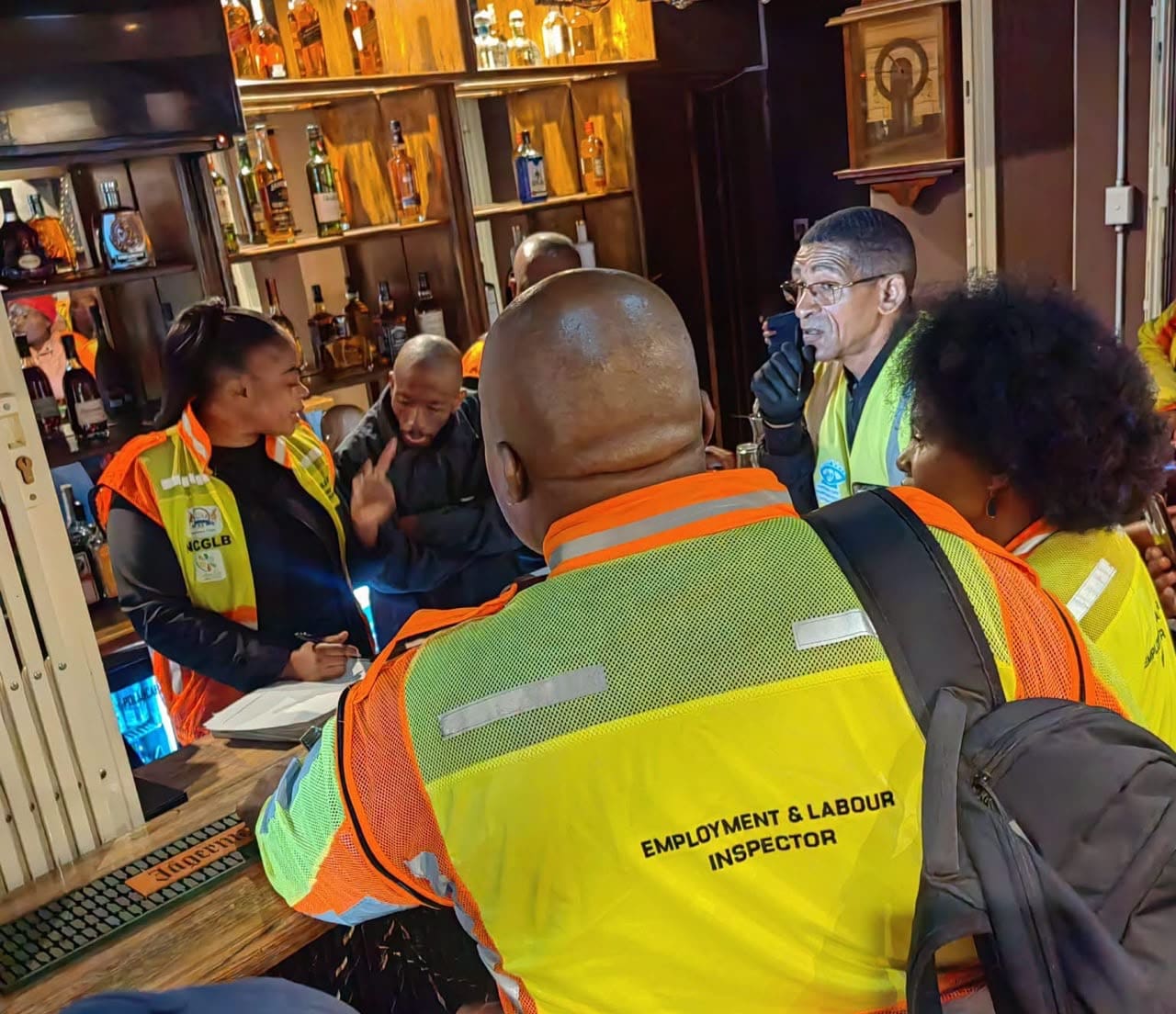
The employment of foreign nationals in South African workplaces has come under renewed scrutiny after the Department of Employment and Labour recorded 231,850 foreign workers across 21,371 workplaces during inspections in the first half of the 2026/27 financial year.
The figures, contained in the department’s Inspection and Enforcement Services (IES) report, have raised questions about recruitment practices, access to entry-level jobs and employers’ compliance with labour legislation.
Inspector-General of Inspection and Enforcement Services Aggy Moiloa said it was unfortunate that many foreign nationals were employed in entry-level positions that could be occupied by South Africans.
The department inspected 168,766 workplaces during the reporting period.
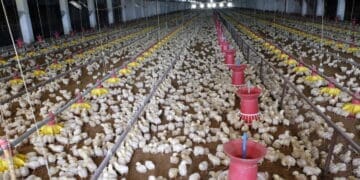
Agriculture recorded the highest number of foreign workers, with 46,533 employed across 1,205 employers. Wholesale and retail followed with 41,359 workers across 6,698 employers.
The findings have attracted different responses from labour organisations and analysts, particularly around the responsibility of employers and the nature of jobs available to local job seekers.
Employers’ responsibility in recruitment
South African Federation of Trade Unions (SAFTU) general secretary Zwelinzima Vavi said the figures alone did not prove that foreign nationals were taking jobs away from South Africans or that employers had broken labour laws.
SAFTU said “The responsibility for labour-law violations lies with employers.”
The federation argued that businesses make decisions about whom they employ, the wages they pay and the working conditions they provide.
It also called for the department to release more information about the workers’ immigration status, occupations, wages and working hours.
The federation wants clarity on how many employers were found violating labour legislation and whether workers were receiving the national minimum wage and other employment benefits.
Are the available jobs attractive to local workers?
Labour analyst Mojalefa Musi offered another perspective, questioning whether the nature and quality of available jobs were attractive to South African job seekers.
“These are the jobs that foreign nationals get, who are vulnerable by virtue of being in the country illegally. Those jobs are there, but they are not attractive to average South Africans,” Musi said.
His comments raise another question about the labour market, whether the challenge is simply access to employment or also the wages, conditions and quality of jobs being offered.
This is particularly relevant in agriculture, hospitality, retail and construction, where businesses rely on workers to carry out daily operations.
Questions about the inspection figures
The Siyafana Sonke Action Campaign, which works with refugees, also questioned how the department collected and presented the figures.
“The department’s own figures do not show that foreign nationals dominate entry-level work,” the organisation said.
The campaign argued that inspections targeting particular workplaces cannot automatically represent the employment patterns of the entire country.
It also pointed to Commission for Employment Equity figures, which it said showed that South Africans held about 96% of entry-level jobs in the formal sector.
The distinction matters because the department’s inspection figures do not provide a breakdown of how many foreign nationals were undocumented, how many occupied entry-level positions or how many South African workers were employed at the same workplaces.
The department has indicated that it wants to strengthen cooperation between its Public Employment Services and Inspection and Enforcement Services branches.
Moiloa said stronger enforcement capacity would be important, with the department relying on Project 10,000 to recruit additional labour inspectors.
Businesses employing foreign nationals must ensure that their recruitment practices comply with labour and immigration laws. The inspection findings have renewed questions about how employers recruit, the conditions they offer workers and whether local job seekers have a fair chance of accessing available positions.