







































A small order for branded clothing for a Botswana delegation exposed a difficulty facing women-owned businesses trying to enter corporate supply chains: meeting procurement requirements can be difficult even when the order itself is not large.
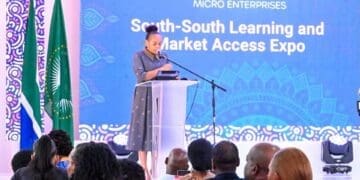
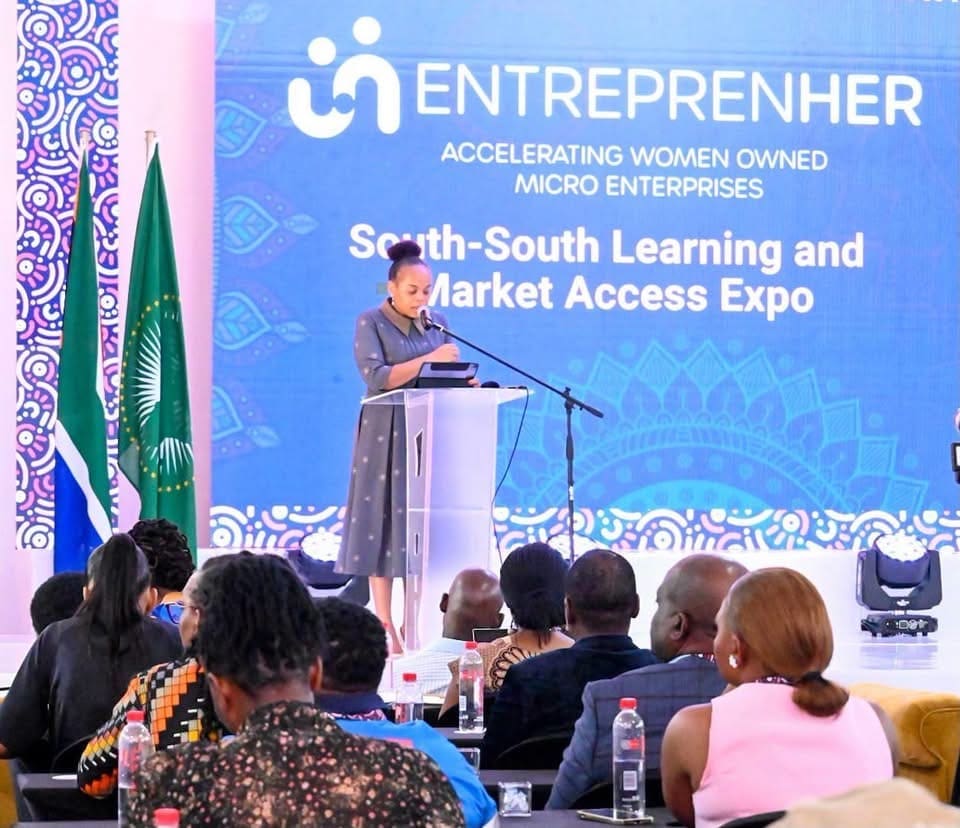
The example was raised during a policy dialogue at the EntreprenHER Regional Women’s Economic Empowerment Summit and Market Access Expo in Polokwane.
Otsile Mabeo, De Beers Botswana’s vice-president for Social Impact and Sustainability, explained that sourcing the clothing required three quotations and suppliers to be registered on the company’s procurement system. He questioned how entrepreneurs taking part in empowerment programmes could benefit from such opportunities when many were not registered suppliers.
“Why do you need to go and do quotes? When you do quotes now you are asked to look at companies that are registered in the system. So that means you’ve already excluded majority of people out of the system,” he said.
Nomvula Sophy Makgotlho, the Department of Small Business Development’s chief director for Gender, Youth and Persons with Disabilities, questioned whether the opportunities given to women through empowerment programmes were helping them build sustainable businesses.
She said women were often offered small projects, such as catering for meetings and supplying stationery, instead of opportunities to secure substantial contracts.
“We say we empower women whereas we give them projects, like catering for small meetings, for stationery and so on,” she said.
Makgotlho also raised the need to include persons with disabilities in conversations about economic participation. She said empowerment required an entire business ecosystem, with promised resources reaching entrepreneurs rather than remaining commitments on paper.
Government urged to buy from businesses it supports
Limpopo Premier Dr Phophi Ramathuba said government should become a customer of the businesses it supports.
She pointed to women who grow vegetables but struggle to supply school nutrition programmes and hospitals, as well as women who manufacture clothing but cannot access institutional buyers.
Ramathuba said procurement requirements could disadvantage small producers and encouraged women entrepreneurs to work together to meet larger supply volumes. She also criticised people who secure contracts without producing the goods or delivering the services themselves.
The premier said the provincial government had supported 1,037 start-up entrepreneurs through the Limpopo Township and Rural Development Business Programme during the current financial year. The beneficiaries include women, young people and persons with disabilities.
She also mentioned 83 supported agribusinesses, including Lemabaka Poultry, Kachi Malala Farming and Sekhale Trading. She said she would work through the Limpopo Department of Economic Development, Environment and Tourism to seek an additional budget allocation for the next financial year.
Support must lead to actual contracts
Agness Phiri, programme manager of EntreprenHER at UN Women South Africa, said the programme works with women who run micro and small businesses in South Africa, Botswana and Namibia.
The initiative aims to connect entrepreneurs with markets and business opportunities beyond their local communities. It provides business skills training, mentorship and grants, while engaging financial institutions to help women access finance.
Phiri said the programme had reached more than 4,500 women across the three countries, with about 500 women participating annually. De Beers has supported the initiative since 2018.
She said women often have to manage business responsibilities alongside caring for their families. Building a business therefore requires more than training, entrepreneurs also need finance, networks and access to customers.
The programme uses a management information system to track businesses earnings, challenges, markets and product diversification. This allows the team to monitor what happens after training and identify areas where entrepreneurs need further assistance.
Support also continues after the expo. Phiri said trainers and coaches follow up with entrepreneurs who do not secure buyers at the event. They assess what is holding the business back and may offer assistance with product design, branding and social media.
She said the programme wanted more government involvement alongside private-sector partnerships so that it could reach additional women-owned businesses.
Phiri also encouraged women to buy and promote one another’s products and build business relationships across the three countries.