









































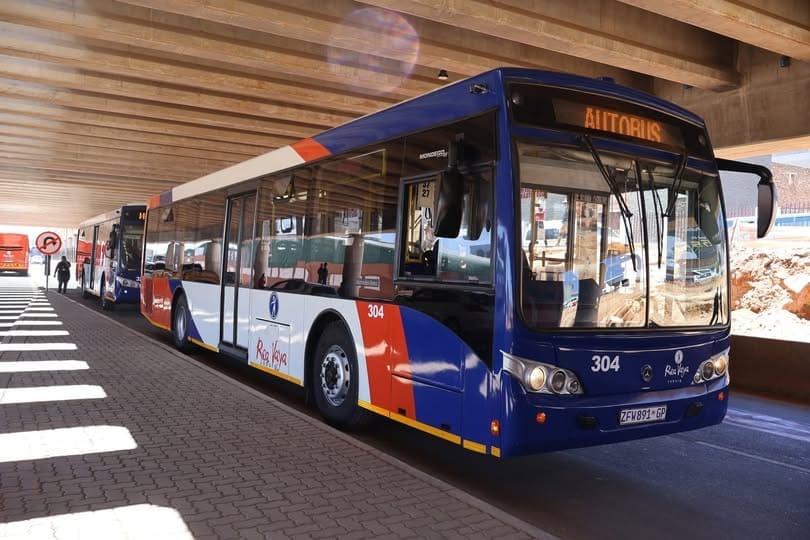
The City of Johannesburg’s last-minute payment to Rea Vaya bus operators has once again exposed the financial pressure facing private companies that depend on municipal contracts, with repeated delays threatening their ability to keep services running.
On Monday, 16 November, the City announced that Rea Vaya services would be suspended from Tuesday because of delayed payments to the operating companies. The decision was reversed hours later after the City made a partial payment.
“The bus operating companies received partial payment this afternoon, paving the way for Rea Vaya bus services to continue operating tomorrow, Tuesday, 17 November,” the City said in a statement.
The operators also withdrew their suspension notice, saying: they had “received confirmation of payment to the bus operating company.”
The City did not disclose how much it had paid or how much remained outstanding.
Operators face cash-flow pressure
Rea Vaya is owned and overseen by the City but operated by private companies, including PioTrans and Litsamaiso. The municipality pays these companies to provide bus services, while operators carry costs such as fuel, maintenance and staff salaries.
Delayed payments can leave operators struggling to meet these expenses while waiting for money owed by the municipality.
The problem is not new. In April, services were suspended after operators complained that the City owed them about R30-million.
Mahier Tayob, the business rescue practitioner for PioTrans, said at the time that payment delays had made it difficult for operators to cover fuel, maintenance and staff wages.
Further disruptions followed in July, when delayed payments to Litsamaiso affected services and disrupted about 15,000 passenger trips a day.
At the time, City transport spokesperson Benny Makgoga said the City was processing payment to Litsamaiso. He attributed the delay to the end-of-financial-year budget process and allocations to the operator. He also pointed to rising fuel costs, which made it harder for the company to manage expenses.
Fare revenue adds to pressure
The payment problems come as Rea Vaya struggles to generate enough fare revenue to cover the cost of running the service.
The system relies on municipal funding because passenger fares cover only part of its operating expenses.
An investigation published in July found that passenger numbers were substantially below targets and fare revenue had fallen short of projections. It also reported that several stations remained incomplete or unused despite substantial investment in the network.
This raises questions about the financial sustainability of a transport system that requires public funding while struggling to meet its passenger and revenue targets.
City finances under scrutiny
The latest disruption comes amid wider concerns about Johannesburg’s ability to pay creditors and suppliers.
In April, Finance Minister Enoch Godongwana raised concerns about the City’s financial position, citing cash and cash equivalents of about R3.9-billion against creditor obligations of R25.2-billion.
The City has not publicly explained when outstanding payments will be settled or what measures will prevent further delays.