










































Every litre now counts for South African businesses as petrol prices climb above R30 a litre, adding pressure to transport and operating costs across the economy.
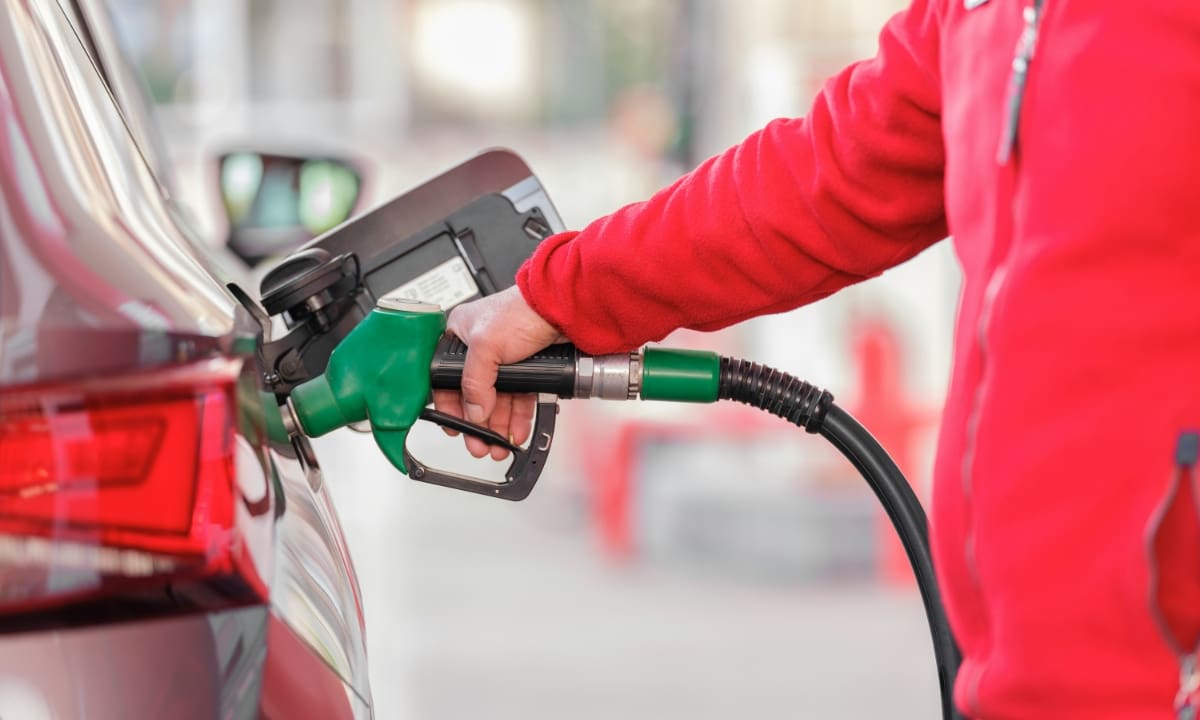
From today [Wednesday, 7 October], 95 octane petrol increased by R3.33 a litre and 93 petrol by R3.12, while 0.05% sulphur diesel rose by R2.84 and 0.005% sulphur diesel by R3.24.
The increases also extend to other fuel products, with wholesale illuminating paraffin rising by R3.58 a litre and its Single Maximum National Retail Price increasing by R4.77. LPGas rises by 42 cents a kilogram nationally and by 48 cents in the Western Cape.
Inland, 95 octane petrol now costs R30.25 a litre, while 93 octane petrol costs R29.88. At the coast, 95 petrol is R29.38 a litre.
Global oil pressures rise
The latest increase comes as international oil prices rise sharply, with average Brent crude increasing from $87.89 to $101 a barrel during the latest review period.
The Department of Mineral and Petroleum Resources attributed the increase to US-Iran tensions, uncertainty around oil flows through the Strait of Hormuz, higher shipping costs and declining inventories.
South Africa imports crude oil and finished petroleum products at international prices, leaving local fuel costs exposed to movements in global markets.
Transport costs under pressure
The increase directly impacts one of the biggest operating costs in the transport sector.
Road Freight Association CEO Gavin Kelly said fuel can account for between 35% and 55% of operating costs for logistics companies, depending on the operation, routes and vehicles.
“With fuel prices continuing to rise, transport companies will inevitably raise the cost of transport due to increasing pressure on operational costs,” Kelly said.
Kelly said smaller operators typically buy fuel at forecourts, while larger freight companies can negotiate discounted rates by purchasing fuel in bulk directly from depots.
Itumeleng Bosoga, owner of Pretoria-based Blessboy Logistics, said petrol is one of the company’s highest operational costs.
“Petrol and diesel run our business. If prices go up, we cannot survive without increasing our prices for customers,” Bosoga said.
He added that when fuel costs rise rapidly, “it affects the whole supply chain”.
The latest increase means operators will have to absorb higher costs or eventually adjust what they charge customers.
For a truck using 4 000 litres of diesel a month, the increase could add nearly R13 000 to the monthly fuel bill, according to calculations based on the latest wholesale adjustment.
Higher costs could reach consumers
The impact on consumers may not be immediate because businesses still have stock purchased before the latest fuel increase.
Kelly said much of the stock currently moving through the supply chain was already ordered and sitting in warehouses, meaning businesses may initially continue selling at existing prices.
“Most of the goods are already at the warehouses, and the trucks have their orders ahead of time. The prices will remain the same until the stock is depleted,” he said.
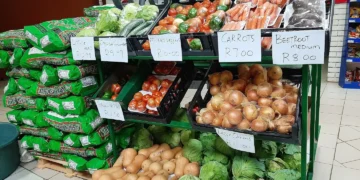
He expects consumers to start seeing the impact within the next month or so as businesses replace existing stock and factor higher transport costs into their prices.
The pressure extends beyond freight companies to businesses that rely on deliveries, agricultural transport, construction vehicles and other fuel-dependent operations.
The South African National Taxi Council (SANTACO) is also considering ways to cushion operators, including using the sector’s collective buying power when engaging with fuel companies and government.
SANTACO spokesperson Mmatshikhidi Phala said the council has not announced a blanket fare increase.
“The Council recognises that any adjustment to fares has a direct impact on commuters and therefore believes that all possible options must first be explored before a position is reached,” Phala said.
Kelly said South Africa also needs to reduce its dependence on imported petroleum products to limit the impact of international fuel-price shocks.
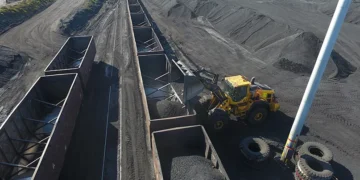
“We need to get Sasol to a position where we are using our coal reserves. They are ours, we don’t have to buy them from somebody else,” he said. “We can produce oil, fuel, petrol from coal and bring down these massive expenses,” he added.