

















































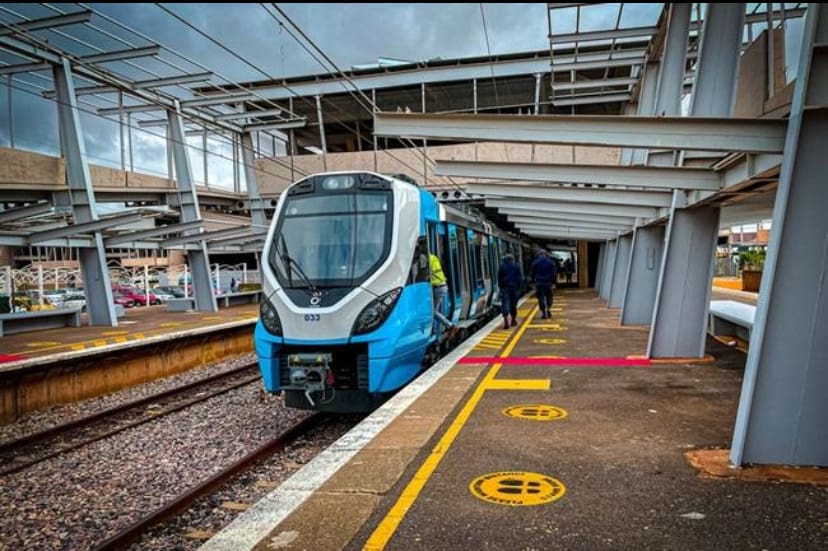
The Department of Transport says approximately R801.6 million has been invested in the Pretoria, Mabopane and De Wildt rail corridor in n Gauteng.
The work includes overhead electrical equipment, substations, signalling and telecommunications.
The investment includes 163 kilometres of overhead electrical equipment and the refurbishment of 14 substations. Several facilities had to be rebuilt after extensive vandalism before electrical work could begin.
Passenger numbers have also increased. The combined Mabopane services carried approximately 5.2 million passenger trips in the 2024/25 financial year. That rose to about 7.1 million in 2025/26, an increase of roughly 36%.
The recovery programme has created work for local people and businesses. The department reported that 150 local workers were employed on the corridor, while small businesses took part in security, electrical and civil works, plant hire and other services.
A separate safety programme includes concrete walls and fencing along about 58 kilometres of the corridor. Government said close to 37 kilometres had been installed. The programme has employed 284 community members and engaged 22 small businesses.
The improvements mark progress in restoring the line, but maintaining the service will be important if passenger numbers are to keep growing steadily. Regular maintenance, reliable timetables, safe stations and clear communication will influence whether commuters continue choosing rail.
The return of more train services on the Mabopane corridor is also giving commuters an affordable travel option, while increased passenger numbers point to progress in restoring Gauteng’s commuter rail network.
Transport Minister Barbara Creecy highlighted the improvements during a visit to the corridor on Thursday, where she travelled from Mabopane to Pretoria on a ticket costing just R7.
“For a commuter, a working railway offers more than a seat on a train. It makes it possible to reach work on time, attend classes, keep a medical appointment and return home safely,” Creecy said.
She said affordable transport also allows households to keep more of their income for food, education and other essentials.
Train services increased over the same period, from 13,087 trips to 17,886. By September this year, the services had recorded close to five million passenger trips and more than 10,400 train trips.
The current service plan provides for 81 daily trips, including 57 between Mabopane and Pretoria and 24 between Mabopane and Belle Ombre. At peak times, trains between Mabopane and Pretoria run about every 23 minutes.
Affordable fares for commuters
Loyiso Moshile, 33, who has been a regular train commutern for many years, said the R7 fare was helpful for people who travel to work every day and struggle to afford transport.
“This R7 fare helps people like us who work every day but struggle with transport costs. It gives us a more affordable way to get where we need to go and helps us manage our daily expenses,” Moshile said.
His experience reflects the importance of affordable fares for workers who must balance transport with other household costs. However, the benefit of a low fare also depends on trains running reliably and passengers being able to reach stations safely.