












































Emerging and small-scale livestock farmers in Standerton and the wider Gert Sibande District are being encouraged to move beyond simply owning cattle and start treating livestock production as a commercially viable business.
The call was made during a Beef Production and Management workshop hosted by the Mpumalanga Department of Agriculture, Rural Development, Land and Environmental Affairs (DARDLEA) at the Sakhile Stan west Hall in Standerton.
While many small-scale farmers own cattle, moving from informal sales to supplying commercial buyers requires producers to meet higher standards for animal health, quality, traceability and consistency.
Sibusiso Nkosi, a local livestock farmer who attended the workshop, said the cost of maintaining a herd remains a major challenge to turning cattle farming into a profitable enterprise.
“The biggest challenge for us as emerging farmers is the cost of keeping cattle healthy, especially during winter. Feed is expensive, and when you are selling into informal markets, you do not always get a price that covers your production costs. We want to grow our herds, but we also need access to better markets where quality cattle can earn better returns,” Nkosi said.
The cost of producing market-ready cattle
The Farmer’s Day focused on several issues that directly affect the profitability of livestock businesses, including winter nutrition, veld and pasture management, appropriate stocking rates and primary animal healthcare.
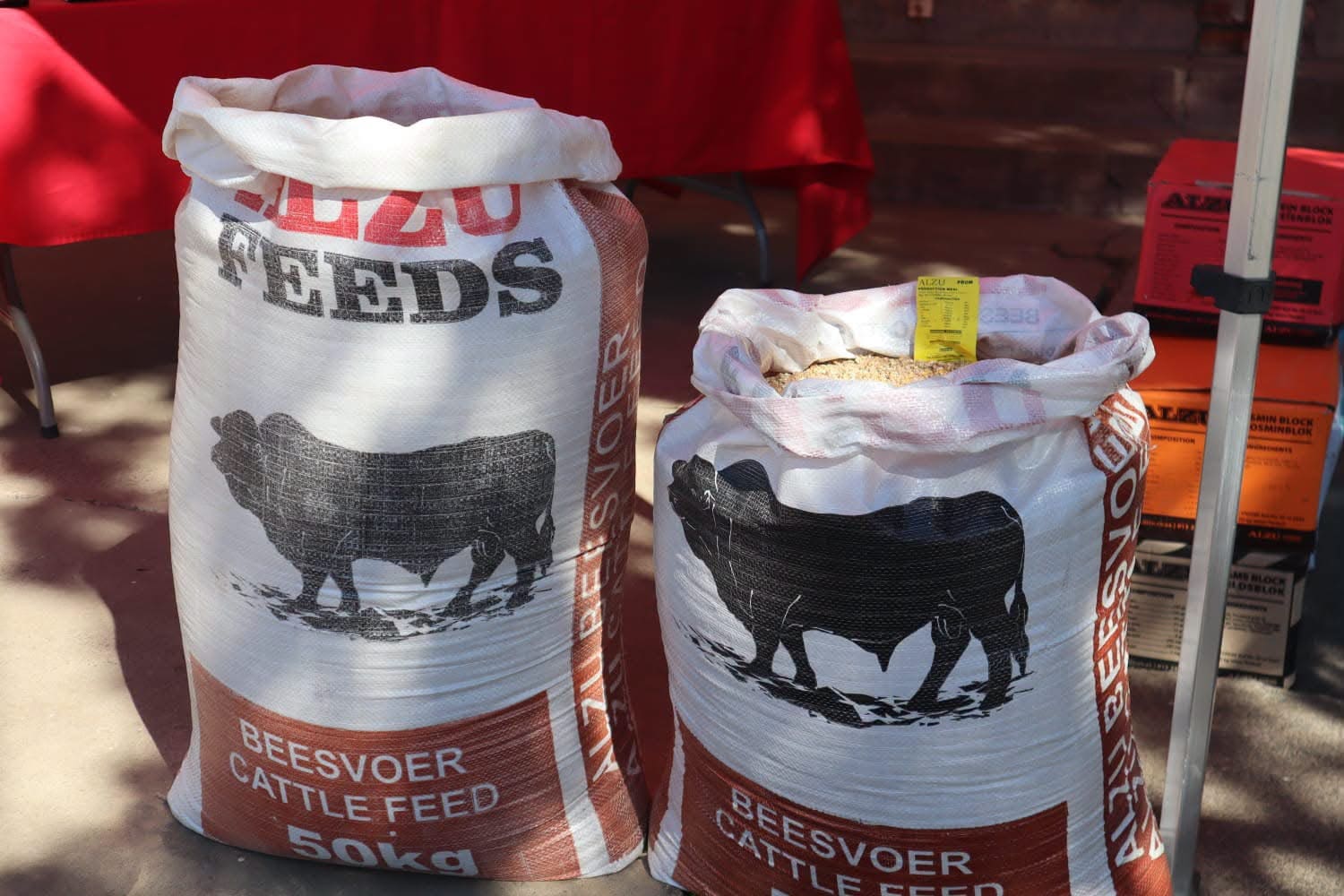
Farmers were encouraged to use winter lick supplementation to help maintain cattle condition when the quality of natural grazing declines.
For small-scale farmers operating with limited capital, however, the cost of feed can significantly affect profit margins.
Poor nutrition can slow animal growth and delay the point at which cattle are ready for sale, potentially increasing production costs and reducing the farmer’s return on investment.
Rotational grazing and proper stocking rates were also highlighted as ways of maintaining productive grazing land while reducing pressure on available resources.
Traceability becomes a business requirement
The Farmer’s Day also highlighted the importance of registering cattle on the RMIS Traceability Platform, which allows livestock to be tracked through the value chain and can provide greater assurance to buyers about the origin and movement of animals.
For emerging farmers, establishing traceability could help improve their credibility with commercial buyers and strengthen their ability to participate in formal markets.
However, farmers may still face challenges related to registration, compliance, access to information and the costs associated with meeting commercial standards.
The ability to comply with these requirements could increasingly determine which farmers are able to access higher-value markets.
Disease prevention protects farmers’ income
Animal health was another major focus of the event, with farmers receiving guidance on parasite control, vaccination programmes and daily monitoring of livestock.
The training also highlighted the risks associated with diseases such as Foot-and-Mouth Disease (FMD).
For livestock farmers, disease outbreaks can have serious financial consequences. Restrictions on the movement of cattle can prevent farmers from selling animals, disrupting cash flow and forcing producers to carry the additional cost of feeding livestock for longer periods.
Zanele Shabangu, a spokesperson at DARDLEA said preventative animal health should be viewed as an investment in the long-term sustainability of livestock businesses.
“Animal health is not only a farming issue; it is a business issue. When farmers prevent disease, they are protecting the value of their herds and reducing the risk of losing access to markets. Regular monitoring, vaccination and good biosecurity practices are essential to keeping a livestock business productive.”
Local farmer Julia Shabangu said the objective is ultimately to increase the value of their livestock.
“What we have learned is that having cattle is not enough. We need to manage our animals properly, understand the market and make sure our cattle meet the requirements of commercial buyers. If we can get that right, we can grow our farming operations and create a sustainable source of income,” she said.