














































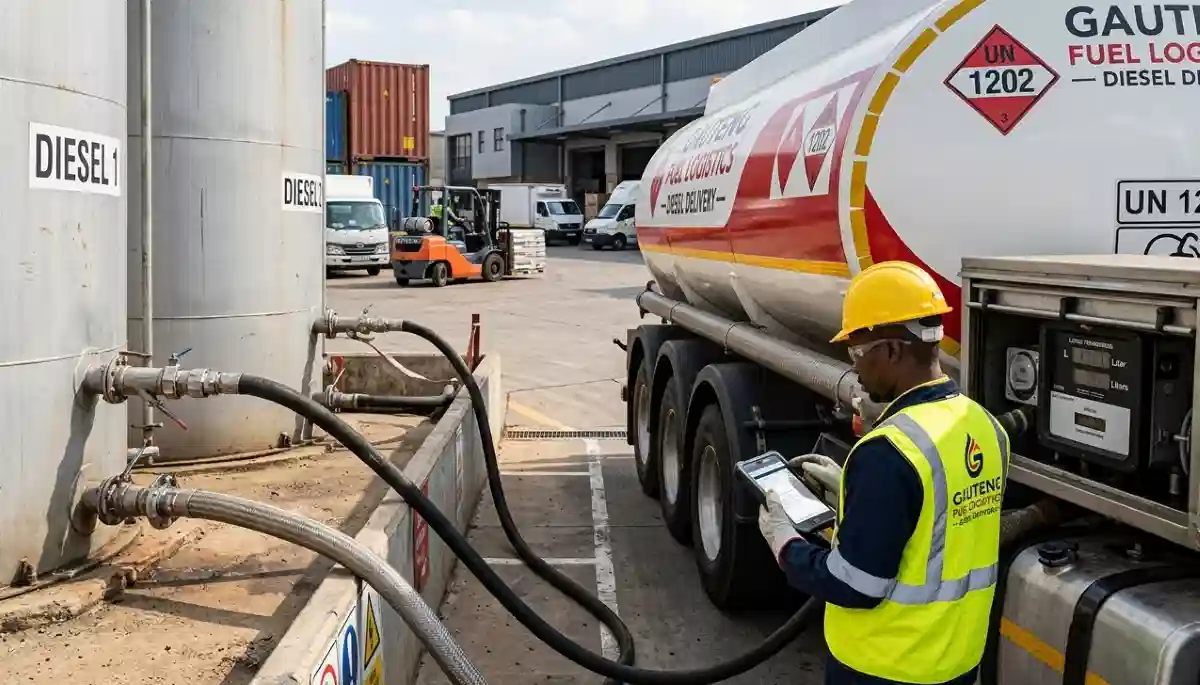
The latest August fuel price adjustment has brought relief for petrol motorists, but higher diesel prices are expected to increase operating costs for transport-dependent small businesses and those that rely on diesel-powered equipment.
The Department of Mineral and Petroleum Resources has announced that both grades of petrol will decrease by 52 cents per litre from 5 August. However, diesel prices have increased by between R1.23 and R1.38 per litre, while illuminating paraffin has risen by R1.52 per litre.
Although the petrol price cut offers relief for private motorists, businesses that depend on diesel-powered vehicles and machinery are expected to bear the brunt of the latest adjustment.
Frank Blackmore, Lead Economist at KPMG South Africa, said the increase in diesel prices is likely to have wider economic consequences as South Africa relies heavily on road freight to transport goods.
“With the non-functioning rail system, we need to move a lot more freight on the road, and that often uses diesel. Therefore, we can expect this price to lead to higher inflation in terms of transport costs,” Blackmore said.
Transport and logistics hardest hit
The logistics and transport sector is expected to be one of the industries most affected by the diesel increase.
Small trucking companies, courier services and last-mile delivery businesses rely almost entirely on diesel-powered vehicles to move goods across the country. Higher fuel costs increase the cost of every delivery, reducing profit margins for businesses that are unable to absorb the additional expense.
Gavin Kelly, Chief Executive Officer of the Road Freight Association (RFA), said diesel price increases have an immediate impact on freight operators because diesel is the industry’s primary fuel.
“Given that diesel is the primary source of fuel for most medium and heavy commercial transporters, this will place an immediate cost burden on daily operations,” Kelly said.
He warned that increased operating costs are likely to work their way through the supply chain.
“This means that the gains which were achieved through the gradual reduction of the basic fuel price during 2025 will be erased and the consumer will, inevitably, begin to feel this change in increasing prices at the till,” he said.
Farmers face higher operating costs
The agricultural sector is another major consumer of diesel.
Farmers rely on diesel-powered tractors, combine harvesters, irrigation pumps, generators and trucks throughout planting, harvesting and transporting produce. The latest increase is expected to raise production and distribution costs, adding pressure to farmers.
Although many small businesses do not purchase diesel directly, they are unlikely to escape the impact. Higher transport costs can increase the cost of receiving stock, delivering products and moving raw materials.
“The total logistics cost will increase and be reflected in upward pressure on the final price of the goods when purchased by the consumer,” Kelly said.