














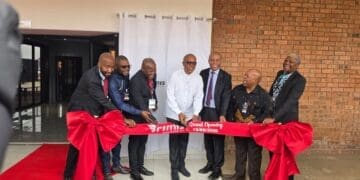
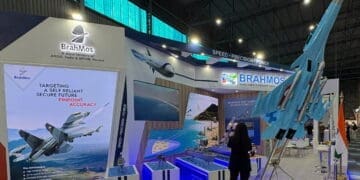















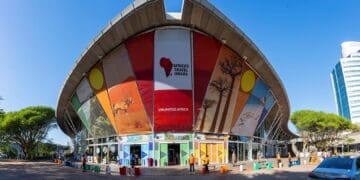














Lia’s Ultimate Go Away Beauty Bar, an SME that produces affordable, natural, and high-quality skincare aimed at customers with problematic skin, was among the businesses participating in the 8th Africa Tourism Leadership Forum in Polokwane, Limpopo, recently.
Its haircare range includes Hair Vital shampoo, which was developed to support hair growth and improve shine.
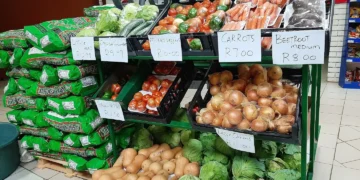
The entrepreneurship boot camp showcased 74 SMEs operating across food, agriculture, beauty, manufacturing, and fashion.
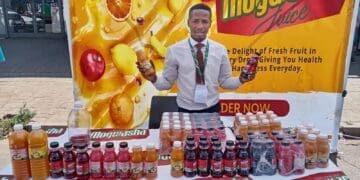
Among those present, fashion entrepreneurs presented African wear, women’s clothing and custom designs, while others displayed fresh, washed and chopped vegetables. Traditional attire, baked products and ginger-based beverages were also showcased.
The forum also highlighted the importance of linking tourism investment with local businesses and communities, particularly in destinations where tourism is closely connected to natural resources, culture, and rural economies.
The Forum brought tourism, hospitality, and investment players to discuss how the province and the continent can unlock more tourism growth.
Hosted under the theme Africa Connects, the forum focused on investment, connectivity, partnerships and the development of tourism and creative industries. It also gave local businesses a platform, with 74 entrepreneurs presenting their businesses and growth plans.
Premier Dr Phophi Ramathuba described Limpopo as a gateway to business and tourism because it borders more countries than any other province.
She also pointed to the fact that about 70% of the Kruger National Park’s land area is in Limpopo, highlighting the province’s natural and cultural assets as opportunities for investors.
Investment needs connectivity and partnerships
Guy Stehlik, founder and CEO of BON Hotels, said hotel projects depend on more than financial viability.
“The numbers have to work, of course, but there is a lot that decides what happens after a hotel opens. Access, infrastructure, demand, government and the local community all have a part to play,” Stehlik said.
The Industrial Development Corporation presented funding opportunities in tourism and hospitality.
Limpopo MEC for Economic Development, Environment and Tourism Tshitereke Matibe said the province has not been marketed enough to global tourists despite its tourism potential. He highlighted its air access and road infrastructure as assets that can support further growth.
Tourism Minister Patricia de Lille also identified connectivity as a major barrier to intra-African tourism.
“We are faced with limited frequencies, high operating costs and insufficient direct connections, which make African travel less competitive and less accessible, particularly for our own citizens,” De Lille said.
African partnerships widen tourism opportunities
The forum also explored cooperation across tourism, creative industries and other African businesses.
Emily Mburu Ndoria, director of Trade in Services, Investment, Intellectual Property Rights and Digital Trade at the AfCFTA Secretariat, said partnerships are helping connect businesses across African markets.
“We have seen what possibilities mean with filmmakers, fashion designers, musicians, tour operators, destination managers, travel agencies, among others who are doing great things in the creative and tourism spaces,” she said.
“But we need more of that to scale up, and that is where collaboration comes in, and that is where AfCFTA also comes in as well as platforms like the ATLF.”
Ndoria also supported the Creatives Connect Afrika Festival 2026 roadshow in South Africa and launched a Country Tourism Factsheet.
Africa Tourism Partners CEO Kwakye Donkor said bringing the forum to Limpopo helped raise the profile of secondary cities such as Polokwane, which he said are often under-marketed despite their tourism and investment potential.