








































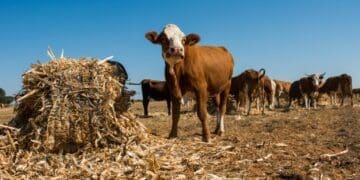



The unusually early developing El Niño has raised concerns that South Africa could experience a hotter and drier than normal 2026/27 summer, increasing risks for small businesses across the food value chain.
The World Meteorological Organization (WMO) says El Niño can alter rainfall patterns and increase the likelihood of drier than normal conditions in parts of Southern Africa, placing pressure on water resources.
For food SMEs, including small-scale farmers, food processors, bakeries, restaurants, wholesalers and township food vendors, reduced agricultural production could increase input costs and disrupt supplies.
Independent agricultural meteorologist Johan van den Berg said the current El Niño developed earlier than expected.
“This year’s event was expected to start between July and September, but it began much earlier in May, increasing the possibility that it could become a very strong El Niño,” van den Berg warned.
The United States National Oceanic and Atmospheric Administration (NOAA) has indicated there is an 81% chance that the event could develop into a Super El Niño. However, Van den Berg said it is still too early to determine the full impact on South Africa’s agriculture sector.
He said average to above average rainfall is still possible until October, with below average rainfall more likely from November and drier conditions expected into early 2027.
Agriculture and food businesses face higher risks
Van den Berg said January to March will be the most critical period for summer grain production because reduced rainfall during these months could affect crop yields.
Higher temperatures combined with lower rainfall increase atmospheric evaporative demand.
“As a result, crops lose moisture more rapidly, and grazing conditions deteriorate, placing additional pressure on livestock producers,” he explained.
According to Grain SA, drought conditions similar to the 2015/16 El Niño could reduce maize yields by between 33% and 37%, while soya bean yields could decline by about 33%.
Agbiz chief economist Wandile Sihlobo said El Niño poses a threat to South Africa’s maize harvest because the crop is one of the country’s staple foods and is highly vulnerable to adverse weather conditions.
“Favourable conditions created during the previous La Niña seasons could help reduce some of the impact,” he said.
He noted that improved dam levels, higher soil moisture and better grazing conditions from previous La Niña seasons could help reduce some of the impact.
South Africa enters the new season with stronger water reserves and grain supplies than during previous droughts.
Competition Commission economist Andiswa Sibhukwana has advised consumers to prepare for the impact of El Niño on food prices.
“Unfortunately, the situation is looking quite bleak. The primary concern is not just the drought itself. We saw fuel hikes that happened, electricity hikes, and those exogenous factors contribute to the price of food going up substantially higher,” said Sibhukwana.
The Human Sciences Research Council estimates that almost 14 million people in South Africa are affected by food insecurity, with high food prices identified as one of the contributing factors.