




























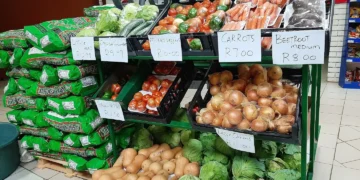


















Rising food prices are forcing difficult spending decisions.
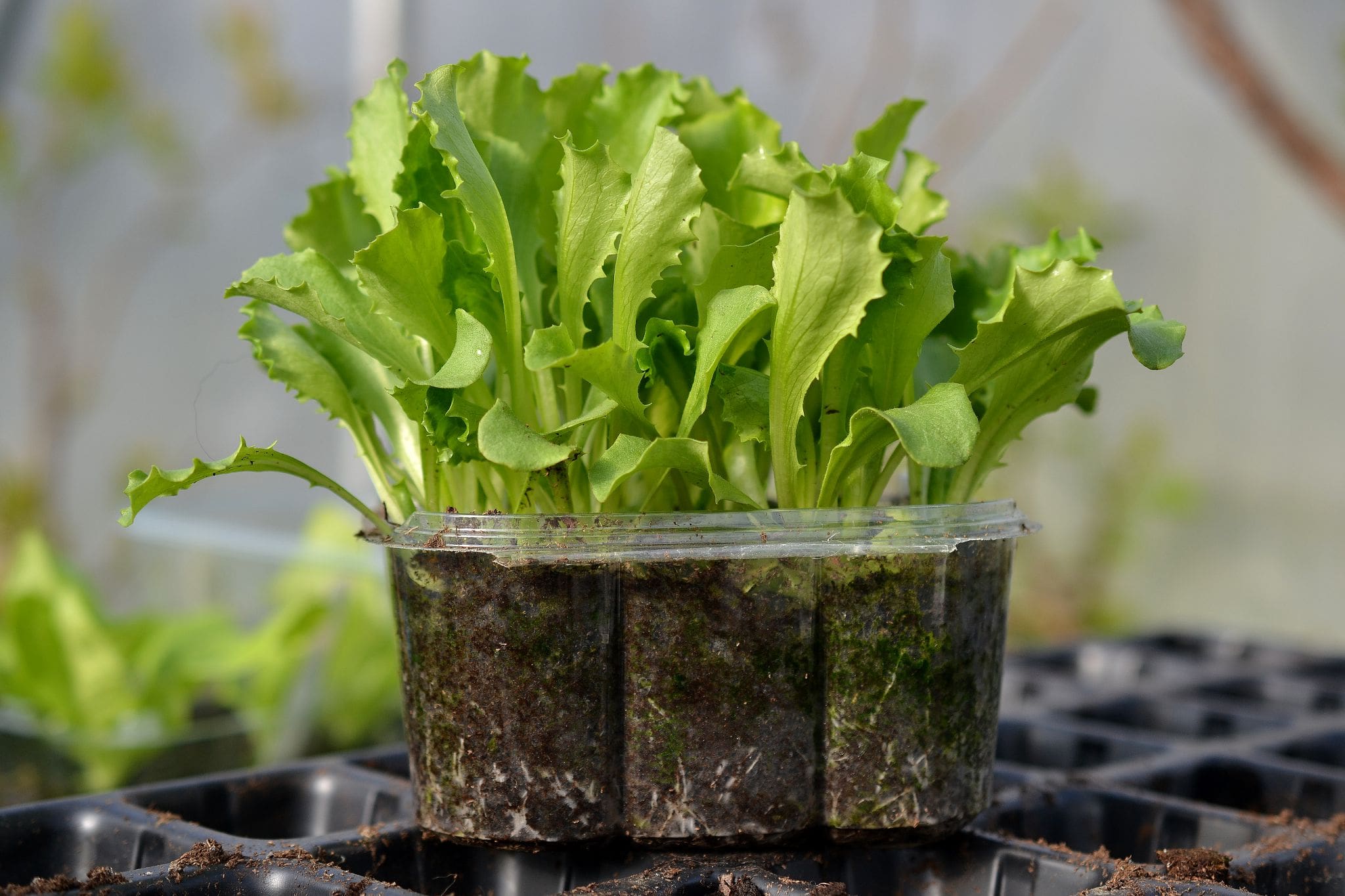
Instead of buying vegetables every week, more consumers are investing in seeds, seedlings and basic gardening supplies to produce food at home.
That shift is creating a growing customer base for agricultural businesses.
Across Mpumalanga, winter crops, including spinach, cabbage, lettuce, and peas, are attracting interest from households looking to cut grocery bills while improving food security.
Industry players say the trend reflects a broader change in consumer spending patterns from purchasing finished products to investing in production.
Seedling suppliers are seeing new revenue streams
Businesses supplying seedlings and farming inputs say demand is increasing as households enter small-scale food production.
Sibusiso Nkosi, who runs a seedling business in Nkomazi, said sales have increased as consumers look for practical ways to reduce food costs.
“We are seeing more first-time buyers who want vegetable seedlings because they believe growing food is cheaper over time,” Nkosi said.
He noted that repeat purchases are also increasing as households expand from small gardens into larger backyard plots.
“This is creating business beyond seedlings. Customers also ask about soil, fertiliser and how to improve yields,” he said.
Agricultural suppliers say changing consumer behaviour could create opportunities across multiple parts of the agricultural value chain.
Backyard gardens transform into micro businesses
For some households, producing food is becoming more than a cost-saving strategy.
Nomsa Mabuza from Nkomazi said her family started planting vegetables to reduce expenses but later discovered an additional source of income.
“When our harvest became bigger than what we needed, neighbours started buying from us, now we save money and earn something extra,” Mabuza said.
Industry observers say this model is creating informal networks of micro-producers supplying local communities.
Farmers say supermarkets are unlikely to lose significant market share, but retailers may need to adjust to changing customer needs.
Lerato Mokoena, a small farmer, from Buhle Academy said retailers could respond by expanding home-growing product ranges.
“Consumers are not necessarily buying less overall; they are spending differently. Businesses that provide tools, seedlings and practical support for home food production may benefit,” Mokoenna said.