














































Small businesses and property owners across Johannesburg could face stricter electricity checks as City Power intensifies a revenue drive aimed at reducing electricity losses and improving billing compliance.
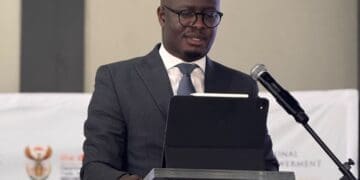
“We are starting those uncomfortable conversations with residents, especially businesses, about the importance of buying electricity and supporting infrastructure maintenance,” said City Power spokesperson Isaac Mangena.
The utility says the move is necessary to stabilise the electricity network and ensure that users are correctly billed as pressure grows on infrastructure in both residential and business areas.
The Revenue Enhancement Programme, which began with engagements in Alexandra, will now be rolled out across Johannesburg.
Businesses under pressure to improve electricity compliance
City Power says many small businesses are using electricity without proper billing systems, which puts strain on the network and limits investment in infrastructure upgrades.
In Alexandra the utility estimates that only about 1,600 out of 40,000 registered customers are actively purchasing electricity, creating a large gap between usage and revenue collection.
Mangena said the utility has been operating with low revenue collection, making it difficult to maintain and upgrade the electricity system.
He said businesses such as salons, car washes, restaurants, supermarkets and spaza shops rely heavily on electricity and must contribute to sustaining the system.
“If we don’t have electricity supply going to those businesses, they won’t be able to sustain their operations,” he said.
He added that the aim is not to stop business activity but to ensure that electricity usage matches payment and proper metering systems.
Audits and smart meter rollout across Johannesburg
City Power will carry out street-by-street audits to verify electricity usage, install smart meters where needed and ensure customers are billed correctly.
The utility says many residential properties have changed into mixed-use spaces, where homes now also operate as small businesses, including rental accommodation, salons and food outlets.
This shift has increased electricity demand beyond what infrastructure was originally designed for.
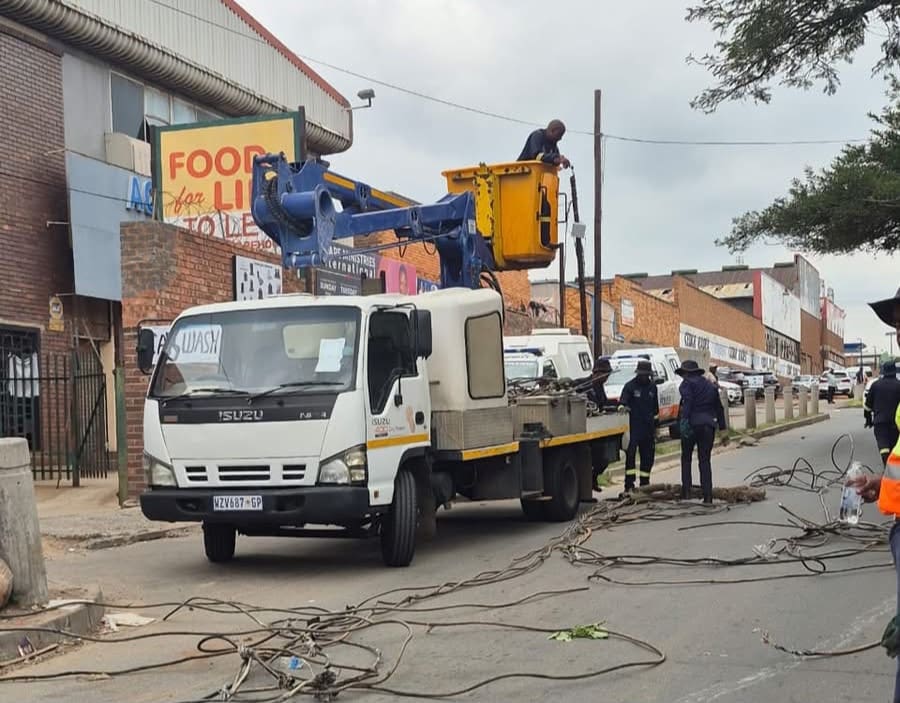
City Power says it will also target illegal connections, meter tampering and cable theft, which continue to affect supply reliability and increase maintenance costs.
According to the utility, enforcement measures, including disconnections, will be used where customers refuse to comply with normalisation processes.
As part of the compliance programme, customers with tampered meters or illegal connections may face penalties ranging from about R14,000 for single-phase supply to around R30,000 for three-phase supply.
City Power says smart meters will improve billing accuracy, reduce losses and help the utility plan infrastructure investment more effectively.
What it means for SMEs and local businesses
For small businesses, the compliance drive could lead to changes in billing structures, especially where properties are operating on residential tariffs while running business activities.
Businesses may be required to install proper meters and move to correct tariff categories depending on usage.
City Power says stronger compliance will help improve network stability, reduce outages and support long-term economic activity.
Councillor Adolph Marema said communities and businesses must understand the importance of payment for services.
“Cities are built by people. They are not built by officials alone. People build cities by paying for services, and in return, services are delivered,” he said.
City Power says only a small number of customers in some areas are actively purchasing electricity, creating a gap between consumption and revenue collection.
The utility says it will continue expanding engagements across Johannesburg, including Soweto, Lenasia, Eldorado Park and the inner city, as part of its wider revenue enhancement programme.