














































A beekeeping expert has called on aspiring entrepreneurs to consider the trade, saying it could strengthen the industry and meet the growing appetite for honey.
Industry estimates reveal that bee pollination contributes more than R10 billion every year to agriculture in South Africa,
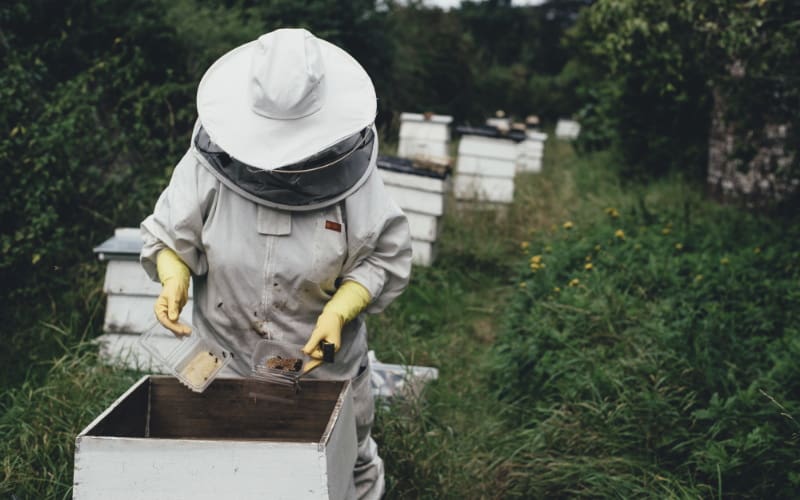
Southern Beekeepers Association (SBA) chairman Rory Hansel encouraged aspiring beekeepers to first complete training courses and invest in quality protective equipment before purchasing hives.
“You wouldn’t buy a car before learning to drive. Beekeeping is exactly the same,” he said.
https://beekeepers.co.za/training-courses
For Hansel, investing in the next generation of beekeepers is about more than producing honey. It is about safeguarding the pollination services that sustain South Africa’s agriculture, support export industries and strengthen food security.

“Artificial Intelligence (AI) can’t replace bees,” he said. “Nature still does what no machine can.”
Speaking to Vutivi Business News after the South African Bee Industry Organisation (SABIO) BEECON 2026 conference in Sun City, Hansel warned that beekeeping is becoming a “dying profession” despite its critical role in food security, biodiversity and South Africa’s agricultural economy.
Held under the theme Pollinators for Food Security, Economic Growth and Rural Transformation, the conference brought together beekeepers, researchers, scientists, farmers, government officials and industry stakeholders to discuss the future of South Africa’s bee industry.
A rewarding business with growing demand
Hansel described beekeeping as a rewarding profession that offers several income streams, including honey production, commercial pollination and the humane relocation of bee colonies.
His own business, BeesRURs, began in 2015 after helping a friend remove bees from a eucalyptus plantation in Mpumalanga. What started as a hobby has grown into a commercial operation managing about 950 hives across Gauteng, Limpopo and Mpumalanga.
https://sabio.africa/legislation/
He said South Africa consumes about 15,000 tonnes of honey each year but produces less than 5,000 tonnes, forcing the country to import roughly 10,000 tonnes annually.
“The demand for proper honey is far greater than what local producers can supply,” he said.
Hansel added that consumers are increasingly looking for locally produced honey because it is natural and less likely to be adulterated than some imported products.
He also urged farmers to use pesticides responsibly, warning that spraying crops while bees are pollinating can destroy entire colonies.
“As beekeepers and farmers, we need to work together,” he said.
Bees are the backbone of agriculture
Hansel said bees pollinate about 70% of South Africa’s food crops, making them indispensable to agricultural industries such as blueberries, macadamias, almonds and other fruit crops.
“If you take something like macadamias, pollination can increase yields by sevenfold, not seven percent but sevenfold,” he said.
Hansel added that South Africa is among the world’s leading exporters of blueberries and macadamias, industries that depend heavily on healthy bee populations.
Without bees, he said, farmers would struggle to produce many of the crops that feed the country and earn valuable export revenue.