

















































South Africa’s growing platform economy has become a critical source of income for workers and a vital sales channel for thousands of small businesses. But as debate around labour protections for ride-hailing drivers and delivery workers intensify, economists warn that regulatory changes could have unintended consequences for the broader SME ecosystem.
The discussion comes amid ongoing scrutiny of platform worker classification, with policymakers, labour organisations and legal experts debating whether drivers and delivery riders should continue to be treated as independent contractors or receive greater employment protections.
While labour advocates argue that stronger safeguards are long overdue, business analysts caution that any increase in operating costs could force platforms to adjust their business models, creating ripple effects for workers, SMEs and consumers alike.
Digital platforms have become essential to SME growth
The platform economy has expanded rapidly over the past decade, becoming an important source of employment and business activity.
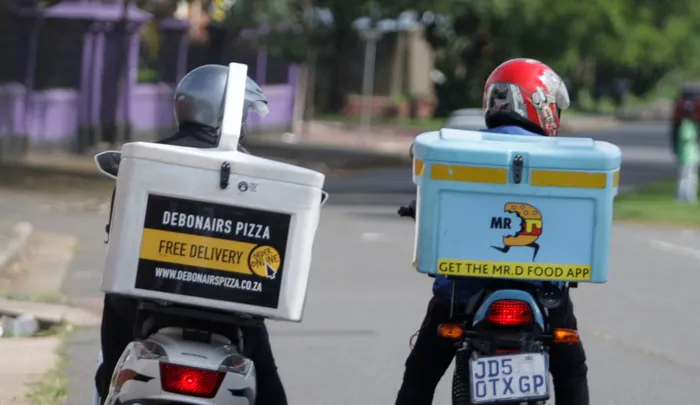
Research by organisations studying digital labour markets estimates that between 1% and 3% of South Africa’s workforce earns income through gig economy platforms. In the restaurant sector, delivery applications have become an increasingly important revenue stream, accounting for a significant share of sales for many participating businesses.
For entrepreneurs, these platforms provide access to customers without requiring major investments in logistics infrastructure.
Ayanda Mthembu, founder of a Johannesburg-based gourmet snack business, said delivery platforms have helped level the playing field for smaller brands.
“Customers expect convenience and fast service. Digital platforms allow small businesses to compete with larger companies that already have established distribution networks,” she said.
However, Mthembu noted that many businesses are already operating on tight margins.
Who absorbs the cost of reform?
A major concern among SMEs is the possibility that increased regulatory costs could be passed through the system. Most mainstream delivery platforms charge restaurants commissions ranging between 20% and 30% per order when the platform manages the delivery process.
For businesses already contending with rising electricity, fuel and rental costs, further increases could place additional strain on profitability.
Economist Dr Michael Nkosi said regulatory changes often trigger broader cost adjustments throughout an economic value chain.
“When businesses face higher compliance costs, those expenses are rarely absorbed indefinitely. The risk is that costs are redistributed through higher fees, altered commissions or operational changes that affect multiple stakeholders,” he said.
Analysts warn that if platform operators are required to provide additional worker benefits or comply with stricter labour obligations, some of those costs could eventually filter through to SMEs and consumers.
Drivers face pressure on take-home earnings
Workers themselves also fear unintended consequences. Ride-hailing driver Obakeng Mofokeng said many drivers support fair labour protections but remain concerned about how platforms may respond.
“Most drivers want fair treatment, but we also depend on flexibility. If changes result in fewer incentives or reduced earning opportunities, that creates another challenge,” he said.
Industry studies show that while drivers may generate substantial gross revenue, platform commissions of around 20% to 25%, coupled with fuel, insurance, maintenance and vehicle finance costs, significantly reduce take-home earnings.
For many workers, platform-based income remains one of the few accessible earning opportunities in a difficult labour market.