
















































In a move that could ease compliance pressures for very small businesses, the South African Revenue Service (SARS) has expanded access to Turnover Tax registration through a new channel, the Online Query System (SOQS).
Designed for qualifying micro-businesses, Turnover Tax simplifies obligations by replacing complex filings with a single tax on turnover.
South African entrepreneurs are finding themselves navigating a tighter web of compliance. It’s not so much that the tax laws have changed, but more about how the existing rules are being enforced and how closely they’re being watched.
When it comes to new tax regulations, there haven’t been any major rate increases. Recent updates from SARS hint at a growing focus on stricter oversight and tighter management.
SARS on a path to modern revenue authority
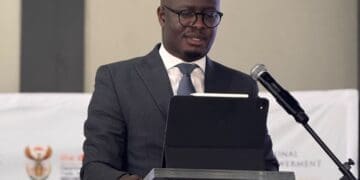
SARS Commissioner Edward Kieswetter has reinforced this direction, saying the agency is working to become a smart, modern revenue authority by investing in technology, integrating data and strengthening law enforcement.
The government has also backed this push with additional funding to support these efforts. One of the recent changes affects employers. SARS has indicated that, from February 2026, PAYE reconciliations that don’t include valid Income Tax Reference Numbers for every employee may be rejected.
Senior Tax Consultant at Tax Consulting SA, Rehnu Vallabh, said SARS is expected to strengthen enforcement, verification and compliance activities supported by technology and data.
“What we’re seeing is SARS moving away from soft warnings to active enforcement. The law hasn’t changed, but the consequences of non-compliance have,” said Vallabh.
Digitilisation has led to faster processing times
Tax specialist Luan van Rhyn said the continued digitalisation of tax administration has led to faster processing times, easier access to information and a more convenient experience for taxpayers.
“Platforms like eFiling mean that new business owners no longer have to navigate mountains of paper or stand in queues, they can do everything online,” said van Rhyn.
Commissioner Kieswetter has been encouraging taxpayers to make full use of the service’s digital platforms, highlighting the ease and safety of managing tax matters from home instead of visiting branch offices.
AI inspired tools to the rescue
Part of these improvements includes AI-driven tools, such as the Lwazi Assist, which offers real-time guidance on common queries from tax reference numbers to assessments and returns.
Tax attorney Darren Britz explained that the draft guidelines make it clearer how SARS will apply Section 7C’s anti‑avoidance measures, which were originally introduced to stop the tax‑free transfer of wealth into trusts using low‑interest or no‑interest loans.
“The tax authority’s message is clear: the draft does not change the law but shows that SARS expects taxpayers to comply aggressively with Section 7C,” said Britz.
news@vutivibusiness.co.za