











































While small businesses welcomed the increase in the VAT registration threshold announced in the 2026 Budget, inflation-linked fuel levy hikes are set to quietly squeeze township retailers already operating on razor-thin margins.
Presenting the Budget on Wednesday, Finance Minister Enoch Godongwana confirmed that fuel levies will rise in line with inflation from April.
“In terms of fuel levies, the total increase will also be in line with inflation,” the minister said.
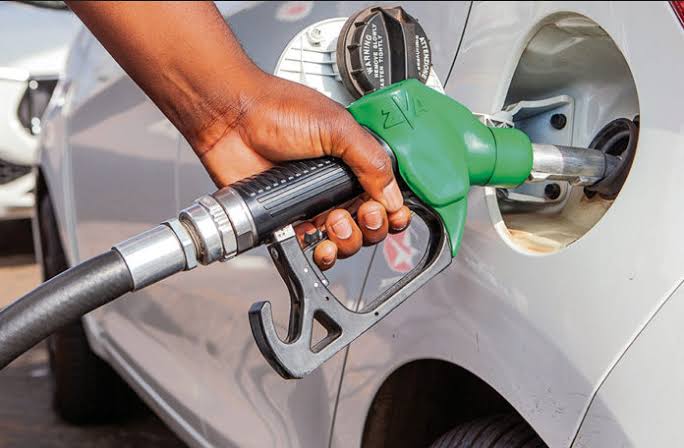
The general fuel levy will increase by 9 cents per litre for petrol and 8 cents per litre for diesel. The carbon fuel levy will rise by 5 cents per litre for petrol and 6 cents for diesel, while the Road Accident Fund levy will go up by 7 cents per litre.
The Treasury noted that the fuel levy increases will help offset lower revenue collections resulting from the withdrawal of R20 billion in additional tax measures, as well as weaker VAT collections.
Although the increases may appear modest, small business owners say the cumulative impact will be significant.
Margins already under pressure
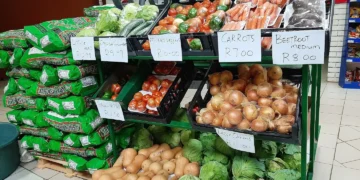
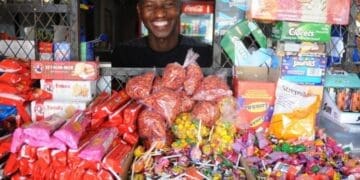
For township retailers, including spaza shops, taverns, caterers and small distributors, fuel costs filter through every part of the value chain.
Transporting stock from wholesalers, supplier delivery charges, and customer spending power are all influenced by fuel prices.
“When petrol goes up, everything goes up,” said Mamello Dube, who owns an agro-processing business in Atteridgeville.
“Suppliers increase prices immediately, and customers don’t have extra money. So we must absorb the difference. But at least fuel prices drop at certain times of the year.”
Unlike large retailers that buy in bulk and hedge transport costs, township businesses rely on frequent restocking in small volumes, making them more vulnerable to transport price fluctuations.
Small logistics and courier startups are also slightly concerned. Lerato Ndlovu, founder of a courier service in Pretoria West, explained that increases in fuel prices can affect operating costs.
“Those cents make a big difference when you have thousands of litres, but the VAT threshold is increased. It is a win that side and a loss this side,” Ndlovu said.
Cost-of-living pressure spills into small businesses
Economists warn that fuel price adjustments have a multiplier effect across the economy. Rising transport costs affect food distribution, construction materials, and household spending patterns.
For township businesses, which depend on local consumer demand, reduced disposable income can quickly translate into lower sales volumes.
While the Budget included relief measures such as the VAT threshold increase for small businesses, retailers argue that operating costs remain a growing concern.
Balancing revenue and growth
Treasury framed the levy adjustments as inflation aligned and necessary for revenue stability.
“This budget proposes an inflation-linked increase to the general fuel levy. For the 2025/26 fiscal year, this is the only new tax proposal I am announcing,” Godongwana said.
However, small enterprises in township economies often have fragile cash flow and limited access to credit. Even incremental increases can therefore have disproportionate effects.