












































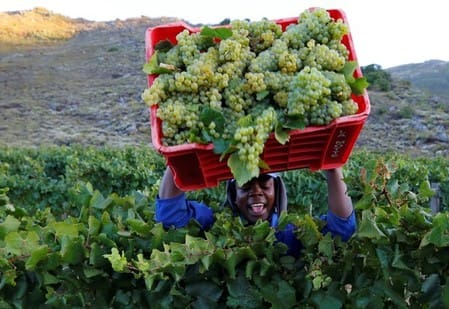
The first official shipment of South African table grapes has arrived in the Philippines, opening a new export market after access was approved in 2025 following several years of negotiations.
Minister of Agriculture, John Steenhuisen, said the shipment marks the start of a new trade link that benefits farmers and the broader agricultural community.
“The arrival of this first shipment is more than a commercial transaction, it is the opening of a new trade corridor between South Africa and the Philippines. We see this as the beginning of a sustained partnership,” Minister Steenhuisen said.
The move provides practical opportunities for farmers to sell more fruit into a growing market, while also creating potential opportunities for SMEs in packaging, logistics, transport, farming, and supply services that support the table grape industry.
“Expanding market access for South African table grapes remains a key priority, with Asia representing an important focus area. The Philippine market presents exciting opportunities for our exporters”
“South Africa is well positioned to meet the market’s preference for sweeter berries with a firm, crunchy texture, delivering quality grapes that offer both taste and competitive value,” said Mecia Petersen, CEO of SATI.
Farmers and SMEs welcome new market
Agricultural SMEs have welcomed the new export corridor, highlighting the benefits for both producers and businesses along the value chain.
TLU SA General Manager Bennie van Zyl said expanding into new markets is essential for growth.
“Every time we get a new market it is for the benefit not only of farmers but also the community. It is very good because it gives us more markets for our commodities. As producers, we must present these products so that we have the opportunity to create these markets,” Van Zyl said.
Craig Jensen, director of Gqeberha-based exporter Safpro, which sent the first commercial shipment, said they shipped one container of popular red and white seedless grapes, Crimson Seedless and Autumn Crisp.
“The grapes have landed in very good condition, especially considering the cold treatment protocols required. The general reception of our South African grapes is good, but the market is well acquainted with Australian grape supply, which makes it more difficult to penetrate this window. The efforts by SATI and the Department of Agriculture in promoting the arrival of the first fruit certainly helped raise the profile. We plan to increase volumes in the future,” Jensen said.
Lwandiso Gaqa, a farmer from the Western Cape, said the opportunity is practical and exciting.
“This shipment shows that smaller growers like me can connect with exporters. If we meet the quality and timing requirements, we can access these new opportunities and grow our operations,” he said.
The Philippine market imported about 74,000 tonnes of table grapes in 2024, equal to roughly 16 million cartons. With a population of over 118 million and a growing middle class, the country offers a strong long-term opportunity for South African produce.
Access to the Philippine market required strict compliance with phytosanitary standards, including pest control, fruit quality, and inspection protocols. Exporters and pack-houses must follow precise handling and traceability systems.
South Africa’s table grape sector has already exported 76.6 million cartons in the 2025/26 season.
Challenges and opportunities ahead
Despite the new opportunities, SMEs and small-scale farmers still face challenges in entering export markets. Strict phytosanitary standards, high transport costs, and compliance with international food safety regulations remain major hurdles.
Many small farmers require funding, training, and technical support to meet export requirements, while exporters and SMEs must maintain consistent fruit quality, time shipments correctly, and coordinate closely with farms and pack-houses to protect market access and long-term relationships.
Looking ahead, the table grape industry plans to grow its presence in the Philippine market over the next three to five years, increasing volumes and expanding product varieties. This growth could create additional opportunities for SMEs across agriculture and related industries.
“Entering new markets helps diversify export destinations, reduce dependence on traditional markets, and lower risk for small farmers and SMEs, while government support can help producers meet standards and benefit from new opportunities,” Steenhuisen said.