












































South Africa’s push to expand value-added exports to China is gaining momentum, but for many small businesses, the gap between policy ambition and operational reality remains significant.
While the government is positioning trade with China as a pathway to industrialisation, the structure of the SME sector raises questions about who is actually able to participate in that shift.
In a recent address, Deputy President Paul Mashatile highlighted the need for South Africa to move beyond exporting raw materials and instead grow its presence in higher-value manufacturing and processing.
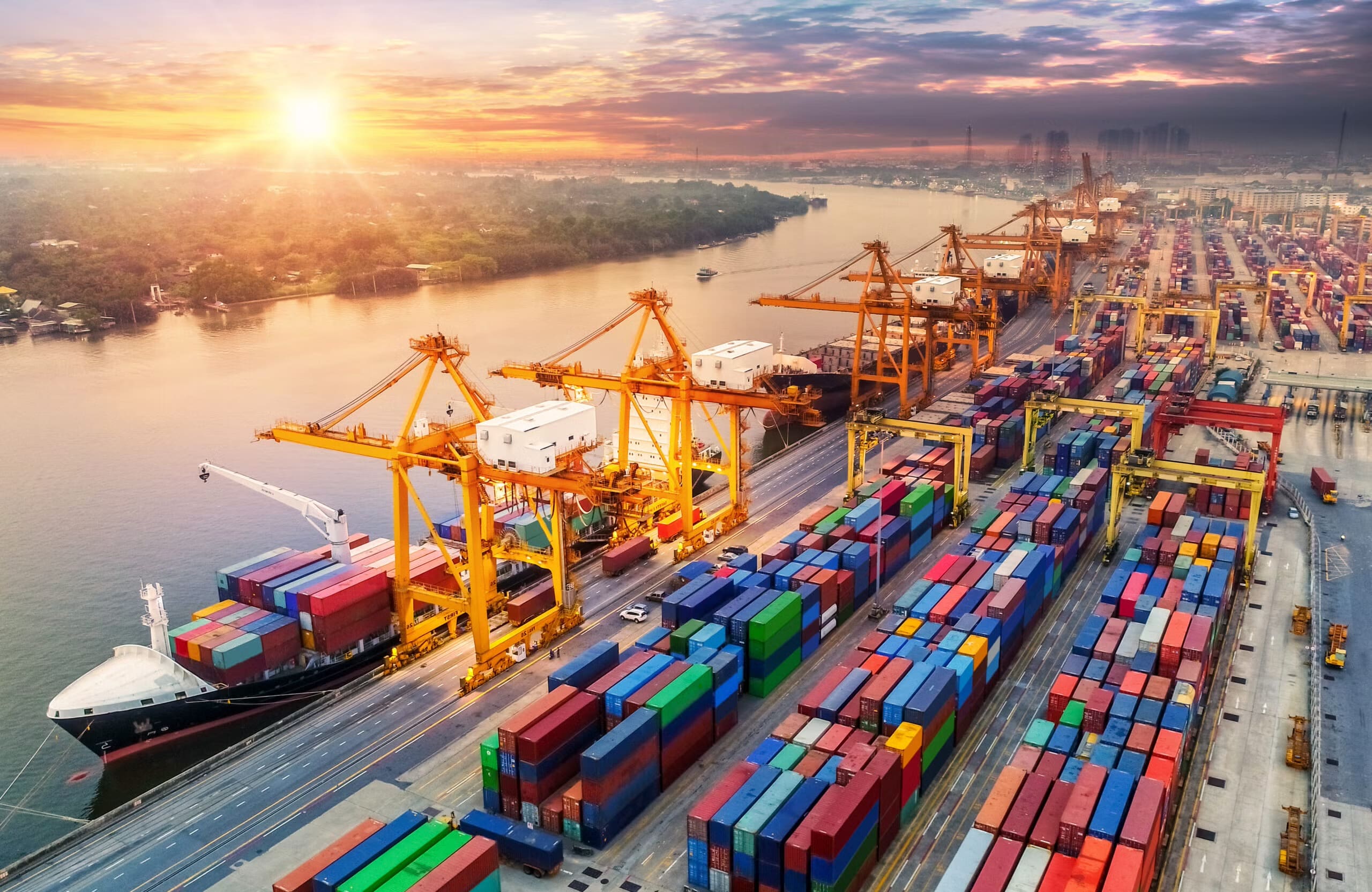
The strategy is aimed at strengthening the country’s position in global value chains, particularly within its trade relationship with China, which remains South Africa’s largest trading partner.
According to trade data, South Africa’s exports to China are still heavily concentrated in commodities such as iron ore, manganese and platinum, while imports are dominated by manufactured goods, electronics and machinery. This structural imbalance has persisted for over a decade, highlighting the difficulty of shifting toward value-added exports.
Policy ambition meets operational reality
Shifting this trade dynamic would require a significant expansion in local manufacturing capacity, particularly among SMEs, which account for more than 90% of businesses in South Africa and contribute between 30% and 40% of GDP.
However, many of these businesses operate below the scale required to compete internationally.
Siyabonga Cele, who runs a small agro-processing business supplying packaged food products, said the idea of exporting is appealing but difficult to execute in practice.
“You can’t think about exports if you’re still struggling to meet local demand consistently,” he said. “Scaling production requires funding, infrastructure and stable supply chains, and most small businesses don’t have that yet.”
Limited access to finance remains a key constraint. Estimates suggest that South Africa faces an SME funding gap of over R300 billion, restricting the ability of small firms to invest in production capacity, technology and expansion.
Barriers to entering export markets
Beyond production, SMEs face additional challenges in accessing international markets such as China. Export participation requires compliance with strict quality standards, certifications and logistics coordination, all of which can be costly and complex.
For smaller firms operating with limited resources, these requirements can act as a barrier to entry rather than an opportunity.
Leruo Phasha, a small-scale manufacturer of household goods, said the cost of meeting export requirements is often underestimated.
“Even if you can produce the product, getting it into the market is another challenge,” he said. “There are compliance requirements and costs that small businesses are not always prepared for, and without support it becomes very difficult to compete.”
Logistics also remains a major hurdle. Transport and port inefficiencies continue to affect export timelines and costs, further reducing the competitiveness of smaller exporters who cannot absorb delays or price fluctuations as easily as larger firms.
Risk of exclusion from growth opportunities
These constraints raise broader questions about the inclusivity of South Africa’s export strategy. While policy frameworks emphasise SME participation, the realities of scale, finance and compliance mean that larger firms remain better positioned to benefit from expanded trade.
Analysts warn that without targeted intervention, increased export activity could reinforce existing inequalities within the economy. While large corporations are able to secure contracts and meet export requirements, SMEs risk being confined to lower-value supply chain roles.
The government has identified SME development as a key component of industrialisation, with institutions such as the Department of trade, industry and competition tasked with supporting business growth and export participation. However, implementation gaps continue to limit the effectiveness of these efforts.
A question of readiness, not opportunity
As South Africa seeks to deepen its economic relationship with China, the challenge may not be a lack of opportunity, but a lack of readiness among SMEs to compete at that level.
Without addressing structural barriers such as access to finance, production capacity and export readiness, the shift toward value-added exports risks remaining concentrated among larger firms.
For many SMEs, the transition from local supplier to global exporter is not simply a matter of policy direction, but one of capability. Until that gap is addressed, South Africa’s export ambitions may continue to outpace the reality on the ground.
lazola@vutivibusiness.co.za