










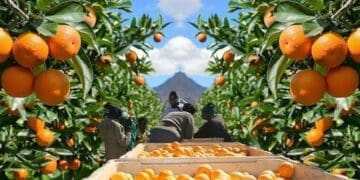




































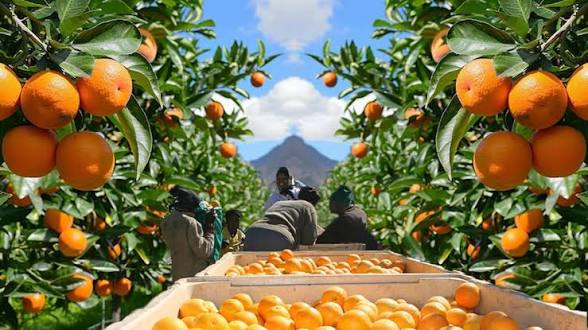
South Africa’s citrus industry is heading into the 2026 season with cautious optimism, as exports are projected to grow by 3% to 5%.
According to the Citrus Growers’ Association of Southern Africa (CGA), estimated export volumes could reach between 210 and 215 million 15kg cartons. This is a modest but meaningful increase for a sector that supports thousands of small and medium enterprises.
CGA CEO Boitshoko Ntshabele said the outlook remains positive despite ongoing global uncertainty.
“We are acutely aware of the uncertainties the industry faces, including geopolitical risks and their potential impact on demand, shipping and input costs. However, steady growth towards another strong export season is within reach,” he said.
The growth outlook varies across citrus categories. Lemon exports are expected to increase by 10% to 45.9 million cartons, supported by new orchards coming into production. Grapefruit exports are projected to rise by 16% to 15.7 million cartons.
However, navel orange exports are forecast to decline by 5% from last year’s record levels, while Valencia oranges are expected to grow slightly by 1.6% to 63 million cartons. These shifts might affect smaller producers who often depend on a single crop.
South Africa’s citrus industry is concentrated in Limpopo, the Eastern Cape, Western Cape, and Mpumalanga. Limpopo is known for lemons, oranges, and grapefruit, while the Eastern Cape focuses on oranges and mandarins. The Western Cape produces mainly Valencia oranges, and Mpumalanga is growing in importance with lemons and naartjies.
Small-scale farmers seek a place in export markets
For small-scale and emerging farmers, the growth in exports presents an opportunity, but also highlights the barriers to entry.
Lavhengwa Nemukula, a Limpopo-based citrus farmer exporting through a cooperative, said exporting is still a hurdle.
“We are seeing more demand, especially for lemons, but exporting is not simple. You need the right partners, certifications and consistent quality. And without exporting support, small farmers struggle to meet those standards,” he told Vutivi Business News.
In the Eastern Cape, grower Anathi Zondi pointed to rising input costs.
“Input costs are rising every season, fertiliser, fuel, and packaging. Even if exports grow, our margins do not always improve. Sometimes you produce more, but earn less,” she said.
The citrus sector remains South Africa’s largest agricultural export industry and employs about 140,000 people at the farm level.
Many smaller farmers rely on established exporters to access international markets, which can limit earnings and control over their produce.
“I farm lemons and naartjies, and export markets are where the money is, but you do not always control your product. You rely on bigger players to get it overseas, and that affects how much you take home on dry seasons,” said Mpumalanga-based emerging commercial farmer, Siyabonga Thandabantu.
Despite this, growth in high demand categories such as lemons and grapefruit continues to create entry points for smaller producers.
But structural challenges remain. Limited access to markets such as China, India and the United States, along with trade barriers in the European Union, continue to constrain expansion.
While the 2026 season points to steady growth, the key question for citrus enterprises is whether they will be able to translate rising export volumes into sustainable income.