

















































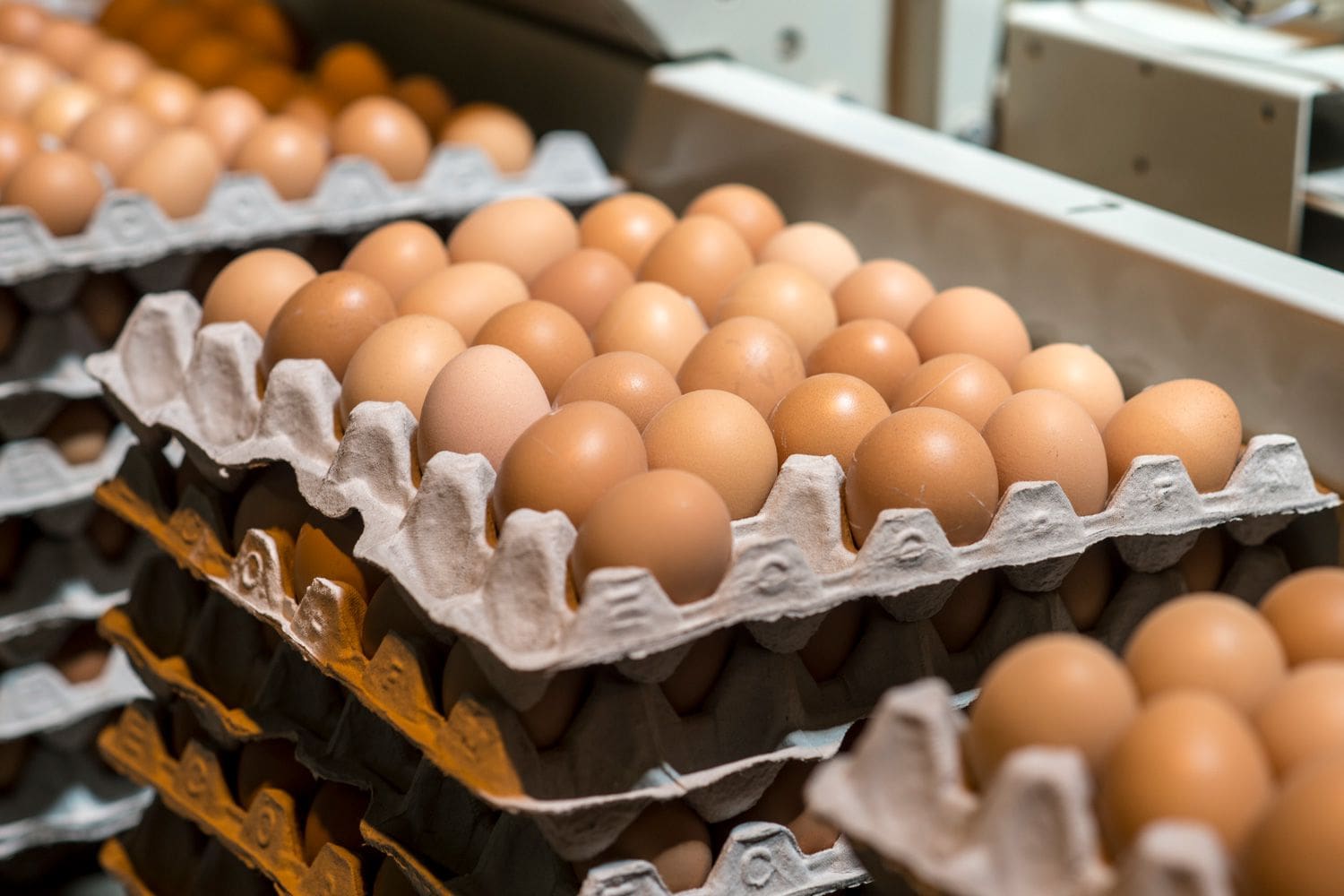
South African egg prices have declined slightly, but the lower cost at retail has not translated into relief for all players in the food economy.
According to Statistics South Africa, the average price for a tray of six eggs fell to R22.90 in January 2026, down from R24.51 in January 2025 and below the peak of R25.85 in December 2023.
The milk, dairy and egg category is now in a deflationary trend, with egg prices down 7.6% year on year. While this eases food inflation for households, the impact in the value chain remains uneven and negative in many cases.
Eggs are one of the country’s most widely consumed and traded food products, with the South African Poultry Association estimating annual production at over 10 billion eggs.
Farmers absorb the first hit
For small-scale poultry farmers, falling prices translate directly into reduced income. Most small farmers operate as price takers, selling into local markets or to intermediaries at the prevailing rate. When prices drop, revenue declines immediately while costs for feed, electricity and transport remain high.
Sizwe Tshabalala, owner of Sunrise Egg Farm in Mpumalanga, said lower prices are affecting his margins.
“Eggs are cheaper, but my costs for feed, electricity and packaging have stayed the same. We are selling more for less, and resellers are the ones making more profit,” he said.
In Pretoria, informal trader Nomsa Dlamini said earnings have fallen as she adjusts her prices to match cheaper crates from suppliers.
“I used to pay R60 for 30 eggs and resell at R80. Now I pay R50 and resell at R70. Customers want lower prices, but I make less per tray,” Dlamini said.
Similarly, Thabo Mahlangu, owner of Kota Corner in Tembisa, said his egg prices stay the same.
“I’ll add extra eggs for Kota at R6. If prices go up, I will just increase Kota prices. It lowers sales, but I have to try making a profit,” he explained.
Economists note that while consumers benefit from lower prices, small producers and businesses continue to face pressure. The cost relief at the farm gate does not always reach the end of the value chain.
Supply chain pressures remain high
Suppliers of feed, day-old chicks and packaging report that while egg output has risen, raw material costs remain high. Large producers such as Quantum Foods and Nulaid can absorb price volatility, but smaller suppliers and farmers face tighter margins.
The Competition Commission’s latest Cost-of-Living report highlighted that slow retail price adjustments and rising electricity costs continue to impact affordability.
“Sticky retail pricing and escalating costs are entrenching high food prices,” said economist Andiswa Sibhukwana of the Competition Commission.