













































South Africa’s investment strategy is entering a more demanding phase, with government placing increasing emphasis on execution, infrastructure readiness and broader economic participation.
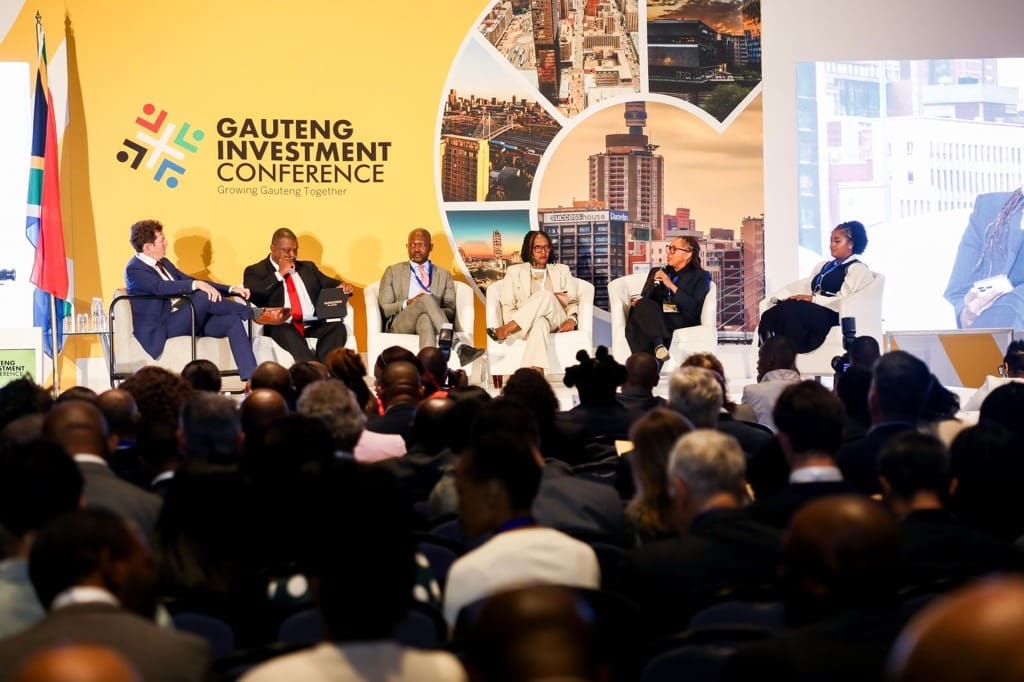
Discussions at the Gauteng Investment Conference reflected a shift away from headline investment figures toward the systems required to translate commitments into measurable outcomes.
Here are 10 key takeaways that define the direction of the country’s investment agenda.
Investment success will now be measured by delivery, not announcements
Deputy President, Paul Mashatile signalled a clear shift in approach, stating that investment conferences must be judged by their outcomes. The focus is moving toward tangible results such as operational projects, industrial expansion and job creation rather than the scale of commitments announced.
South Africa has secured over R1.5 trillion in investment commitments
Government confirmed that cumulative investment pledges have exceeded R1.5 trillion since 2018. This includes approximately R890 billion secured during the most recent national investment conference, reflecting continued investor interest despite slow economic growth.
A new R3 trillion target significantly raises the stakes
A revised investment target of R3 trillion has been set, effectively doubling down on government’s strategy. This places pressure on both the public and private sectors to accelerate project implementation and demonstrate measurable economic impact.
Gauteng is expected to lead the implementation phase
As the country’s economic hub, Gauteng has been positioned as the primary site where investment commitments must be converted into active projects. This places increased responsibility on provincial systems to move projects from planning into execution.
A structured pipeline of bankable projects is being developed
Lebogang Maile outlined plans to build a pipeline of investor-ready projects. The emphasis is on bankability, meaning projects must meet financing, regulatory and operational requirements before being presented to investors.
Investment will be concentrated in key growth sectors
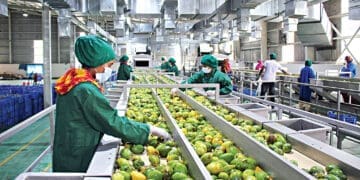
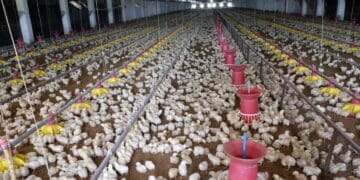
Government identified priority sectors including logistics, agro processing, the green economy and digital industries such as data centres, fintech and artificial intelligence. These sectors are expected to drive both industrial expansion and long-term competitiveness.
Infrastructure constraints remain a critical barrier to growth
Energy instability, inefficient logistics, water insecurity and gaps in digital infrastructure were highlighted as major constraints. Government acknowledged that without resolving these issues, investment commitments cannot translate into sustained economic activity.
Industrial policy is shifting toward localisation and value chains
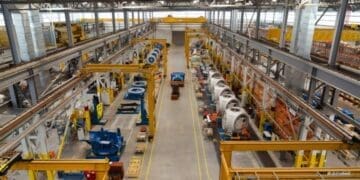
There is a renewed focus on strengthening domestic production capacity and reducing reliance on imports. Government also emphasised the need to expand regional value chains through the African Continental Free Trade Area to support industrial growth.
SME participation is part of the strategy, but not guaranteed
Small businesses and township enterprises are expected to be integrated into investment projects, particularly through supply chains. However, access remains a concern, as SMEs have historically faced barriers related to funding, compliance requirements and procurement processes.
Credibility will depend on implementation in the next phase
Mashatile emphasised that the success of the investment strategy will ultimately be judged on delivery. The transition from commitments to completed projects will determine whether investment translates into inclusive economic growth or remains concentrated among established players.
For SMEs, the shift from commitments to delivery presents both opportunity and risk. While a structured investment pipeline could create new avenues for participation, the absence of deliberate inclusion mechanisms may limit access. As government moves into this execution phase, the extent to which smaller businesses are integrated into investment projects will determine whether growth becomes broad-based or remains concentrated.