










































Energy insecurity is increasingly affecting small and emerging farmers, with power outages and rising fuel costs disrupting irrigation, cold storage and on-farm processing. As a result, biogas digesters, which convert animal manure and organic farm waste into usable energy, are gaining attention as a practical option for small-scale producers and agricultural SMEs.
Biogas has traditionally been associated with large commercial farms, but smaller and more flexible systems are now being explored for cooperatives and emerging farmers seeking to reduce operating costs and improve energy security. These systems allow farms to generate their own power while managing waste more sustainably, reducing reliance on the national grid and diesel.
According to the South Africa’s Department of Agriculture, universities and agricultural research institutions are increasingly focused on technologies that work outside large industrial farming environments. The department notes that current work includes portable and modular solar systems that can be expanded over time, as well as thermodynamic technologies that monitor soil temperature and ground conditions and convert organic material into gas.
Researcher Siphe Zantsi from the Agricultural Research Council said the emphasis is on systems that can be installed directly on farms and adapted to local conditions, rather than capital-intensive infrastructure that remains out of reach for many small-scale producers.
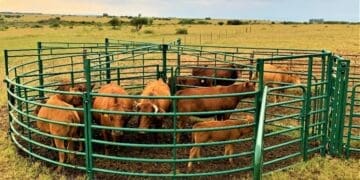
In Mbuzini, small livestock farmer Mandla Hlabane said energy costs have become one of the biggest threats to sustainability.
“When electricity goes off, pumps stop and feed spoils. If we can use the waste, we already have to produce power, it changes how we plan our business,” Hlabane said.
A key feature of current research is shared-use design. Instead of requiring individual farmers to invest in standalone systems, the technologies are intended for collective use by groups of farmers or cooperatives.
According to Zantsi, this allows producers to pool resources and share energy output, reducing costs and improving feasibility.
“When small-scale farmers use one system together, it becomes viable for those applications,” said Zantsi
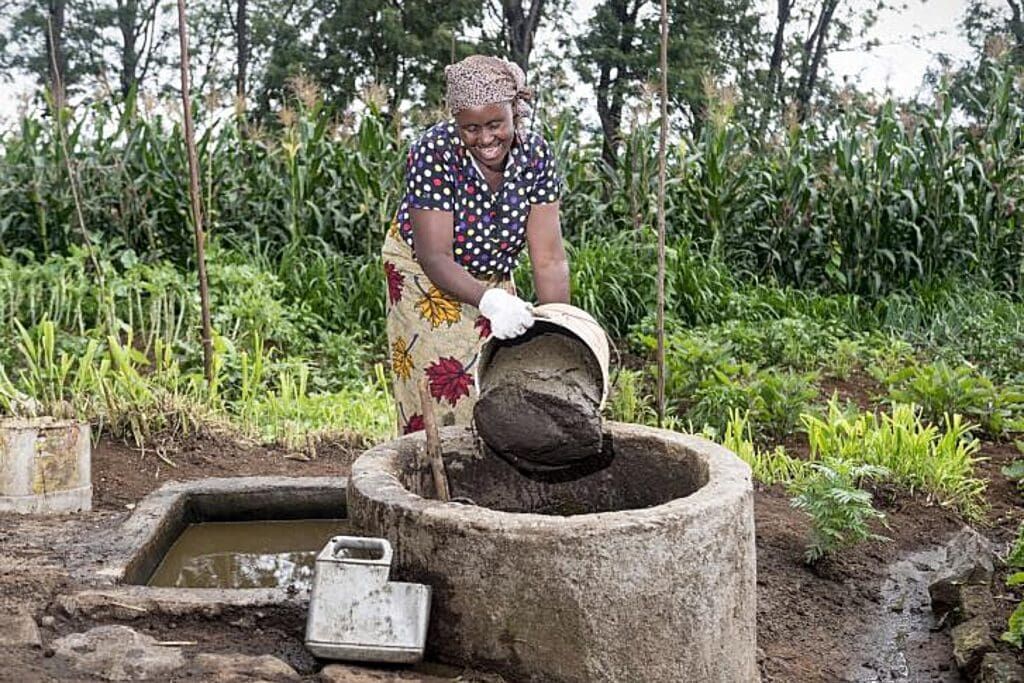
Beyond energy generation, the systems also support soil sustainability. Organic by-products from biogas digesters can be returned to the soil, improving fertility and biodiversity. The researcher said maintaining healthy soil systems is increasingly important as farms face climate stress and declining yields.
Biogas is also creating opportunities beyond the farm gate. Small technical businesses are becoming involved in installing and maintaining systems, while cooperatives and local enterprises manage waste collection and daily operations. Small agro-processors, including dairies and poultry producers, are using biogas to keep production running during power interruptions.
In some rural areas, communal digesters are being introduced as shared infrastructure. These allow multiple farmers to contribute waste and share energy, lowering individual costs while creating local jobs linked to construction and maintenance.
Despite the potential, access remains uneven. Emerging farmers often face high upfront costs, limited financing options and shortages of technical support.