



























South Africa’s water economy is taking on a new shape this summer, revealing how something as simple as hydration is becoming a profitable opportunity across both formal and informal sectors.
From the R7 frozen bottles sold at busy taxi ranks to curated water tasting sessions in Stellenbosch, water is moving beyond being a basic necessity and becoming a business.
Informal traders across Limpopo,around Thohoyandou, Elim, Polokwane, and Tzaneen say the extreme heat and festive crowds have pushed demand sharply upward.
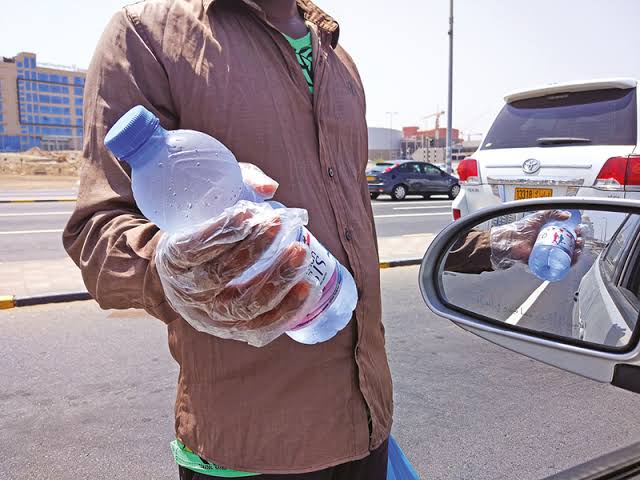
Vutivi Business News conducted a survey of street vendors in Thohoyandou and Polokwane that suggests frozen 500 ml bottles now sell for R7 to R20 depending on location. Traders say they buy bottles in bulk for R2.50 to R3.50, giving them profit margins of more than 100 percent, especially during midday peak heat. Many reported selling between 60 and 120 bottles per day during December, far higher than previous summers.
According to consumer analyst Lethabo Ramushu, heatwaves naturally drive this surge.
“When temperatures rise above 34 degrees Celsius, chilled water consumption increases by an estimated 40 percent. It is one of the most responsive micro markets in the informal economy.”
Ramushu added that water has joined fruit stalls and kota businesses as a reliable seasonal income stream.
In Vhembe, the water hustle has become especially visible. Young entrepreneurs in Thohoyandou, Sibasa, Makwarela and Louis Trichardt are turning cooler boxes into micro businesses. Student sellers say they began with nothing but two cases of water, but festive heat has doubled their earnings.
One vendor, Mavhungu Tshitoto, says her earnings have tripled.
“I used to make R150 a day. Now on good hot days I make between R450 and sometimes R580 from water alone,” she said.
A growing sub economy has also emerged around collecting and reusing empty bottles. Some traders pick up discarded bottles at taxi ranks, bus stops and markets, washing and refilling them with clean tap or borehole water before freezing. In Vhembe villages this has become a cost saving strategy that helps traders cut daily expenses on packaging. Others collect used bottles from events or households, reducing waste while keeping their input costs low.
A few even collect second hand bottles in bulk from recyclers, providing an affordable base for reselling frozen water.
Retailers and beverage suppliers are benefitting too.
Corner shops around the country and petrol garages have dedicated entire freezers to frozen water and ice blocks, reporting sales increases of 30 to 45 percent compared to last year. A Vhembe ice distributor said festive orders doubled, noting that cooler boxes have become the micro fridges of the township economy.
Meanwhile in Stellenbosch, estates are turning water into a luxury product. Premium water tasting experiences that once seemed niche are gaining traction among tourists, wellness clients and food enthusiasts. Visitors are guided through still, mineral rich, naturally carbonated and pH differentiated waters, creating a curated sensory experience. Some estates now sell branded spring water for R30 to R80 per bottle, turning a basic resource into a high margin lifestyle product.
According to Dr Helena Swart, a food and beverage trends researcher at Stellenbosch University, this reflects a broader global shift.
“Water is becoming the new wine for certain consumers. People want purity, provenance and a story. South Africa’s natural springs give us a distinctive edge.”
Economist Bongani Maseko says this unexpected diversity makes the water economy one of South Africa’s most fascinating emerging sectors.
“You have a vendor in Sibasa selling recycled bottle frozen water and an estate in Stellenbosch offering mineral comparison tastings. Both of them are earning from the same resource and that is the beauty of our economy.”
As temperatures continue to climb, water is proving to be one of the country’s most adaptable business opportunities, from Venda’s cooler box traders to Cape estates shaping premium tasting rooms.
As one young vendor outside Thavhani Mall put it, “Water does not choose people. Everyone needs it and that is why the hustle will never run dry.”
Azwi@vutivibusiness.co.za