


















































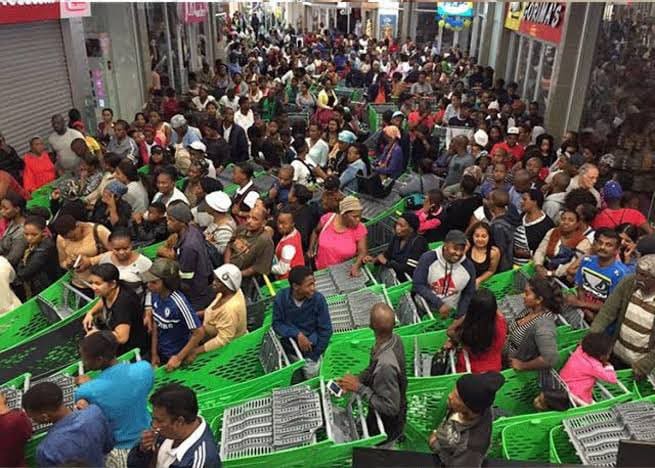
As South Africans rush to capitalise on festive season sales and bargains, township SMEs are preparing for one of the busiest trading periods of the year during the upcoming festive season. But financial experts warn that poor planning could turn the festive boom into January losses.
Standard Bank has recorded double-digit growth in consumer spending across key categories, including groceries, clothing, home repairs, and travel, during previous Black November periods. The bank says this extended shopping window gives SMEs more time to manage stock, strengthen cash flow and respond to festive-season demand.
Momentum financial advisor David Molotsi told Vutivi Business News that household spending during Black Friday has become deeply psychological, with many consumers believing November offers unmatched value even when their budgets are tight.
“People save up for this period, and the moment they get paid, they go on a spending frenzy,” he explained. “Even with economic pressure, demand remains high because Black Friday has become a popular tradition. People think they will get more for less, even if that’s not always the case.”
Molotsi said this trend creates both an opportunity and a challenge for township SMEs. While demand is high, many small businesses struggle with cash-flow planning and often make costly stocking mistakes.
“One of the biggest mistakes SMEs make is overstocking products that won’t sell,” he said. “They must use data from previous months to stock only what is in demand. Overstocking leads to losses that can carry into January.”
He added that some SMEs try to boost cash flow by slightly increasing prices, but this only works if stock is well-managed and customer demand is understood.
Standard Bank has observed similar patterns nationwide. The bank reports continued double-digit growth in Black Friday spending, especially in groceries, clothing, home repairs and travel, confirming the heightened pressure on SMEs to stay competitive.
According to Norman Nyawo, Head of Merchant Solutions at Standard Bank, the Black Friday period has become a “stress test” for small businesses.
“This period acts as a stress test, highlighting the importance of preparedness and adaptability for SMEs,” he said.
Nyawo said the shift to digital shopping is intensifying these pressures. Online sales grew by more than 30% in 2024, and mobile commerce now accounts for over 67% of Black Friday transactions, meaning SMEs that rely only on cash sales risk losing customers.
Molotsi agrees, saying digital payments are now essential for both competitiveness and financial credibility.
“You have to have digital payment tools,” he said. “Not everyone carries cash. And when you use digital payments, banks can see your transactions, which improves your chances of getting credit.”
Standard Bank echoed this, noting that digital adoption is transforming township economies. Platforms such as SimplyBLU give small businesses a unified view of payments and stock, helping them trade more efficiently during peak shopping periods.
For Thabiso Nong, owner of Double Identity Events, which specialises in selling perfumes, the Black Friday period brought both opportunity and pressure. “Most people came in asking for smaller sizes and budget-friendly scents,” she told Vutivi Business News. “The demand is there, but customers are careful with money, so I had to plan my stock very tightly.”
Molotsi said SMEs must focus on good service, customer retention and careful budgeting.
“Service keeps customers coming back. Planning is crucial so that Black Friday gains last into January,” he said.
Meanwhile, Hardin Ratshisusu, the Acting Commissioner of the National Consumer Commission, has warned that the end-of-year period often sees an increase in questionable sales tactics, misleading discounts and deals that appear attractive but fail to deliver.
“Consumers should be extra vigilant of discounts and also about the products they are intending to buy,” Ratshisusu told the SA Government News Agency.
He advised shoppers to slow down before making purchases, thoroughly assess items on promotion and be aware that some suppliers may make promises that are not allowed under consumer law.
Ratshisusu noted that the NCC frequently receives complaints during the festive period involving faulty goods, undisclosed second-hand items or goods that were never delivered.
“Sellers must disclose upfront if a product is second-hand and whether a warranty applies. Consumers have the right to complain or return goods if they are not satisfied,” he said.
He also cautioned shoppers to watch for price discrepancies at the tills, adding that this remains a common issue during peak retail periods. Shoppers were also encouraged to inspect expiry dates, read terms and conditions, and report any unfair conduct by suppliers.
basetsana@vutivibusiness.co.za