











































Persistent heavy rains and flooding are devastating small-scale farmers and emerging entrepreneurs in Limpopo and Mpumalanga, destroying crops, fish ponds and livelihoods while putting small businesses under severe pressure.
Vhadoda Tseisa, an aquaponics fish farmer in Elim, Limpopo, said the floods have disrupted his tilapia ponds and vegetable production, forcing him to constantly change the water to keep the system running.
Aquaponics depends on controlled water quality, and continuous rainfall makes that nearly impossible.
“I have to keep changing the water all the time,” Tseisa said. “When the water keeps changing, the fish get stressed, sick or die. I’ve already lost income I was relying on, and I don’t have insurance to cover these losses. Every extra day of rain makes things worse.”
He said damaged pond structures, unstable water conditions and delays in feeding and maintenance have increased his operating costs while income has dropped.
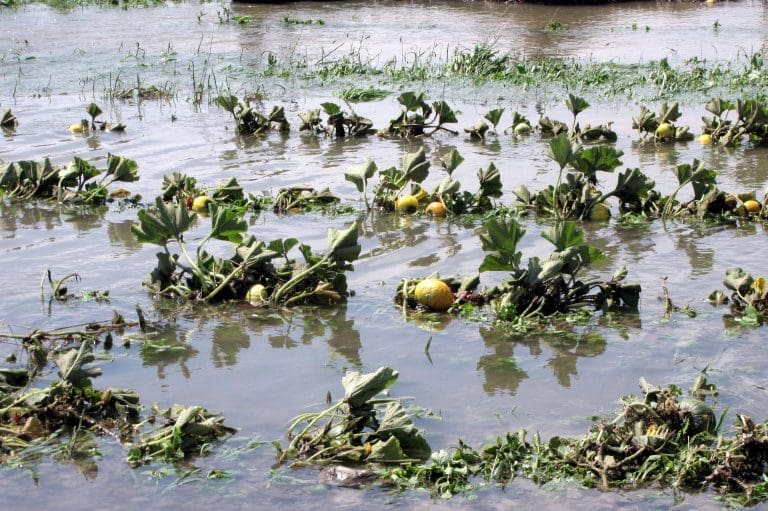
In Matsulu, Mpumalanga vegetable farmer Nozizo Nkosi said floodwaters have submerged her cabbage, spinach and tomato fields, destroying much of her harvest and threatening future planting.
“The water hasn’t drained from my fields for days,” Nkosi said. “I can’t harvest or sell anything. I’ve lost money, and even the seeds I planned to use next season are damaged. I don’t know how I’ll recover if the rain continues.”
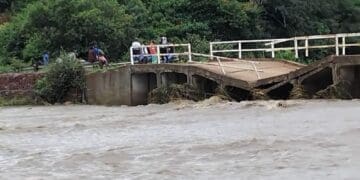
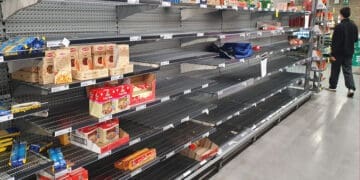
Both farmers said poor drainage, broken roads and little financial help make it hard to cope with the heavy rains. Their businesses supply local communities, so the floods are also making food harder to get and more expensive.
Agricultural organisations say the situation is similar in many farming areas.
Robert Davel, executive manager of Agri Mpumalanga, said saturated soil is worsening damage to roads and basic services.
“We expect more damage as the drenched soil surface can cause even more road damage as well as failure of electricity infrastructure,” Davel said.
Citrus farmers are among the hardest hit as the harvesting season approaches.
“The citrus harvesting season is about to start, but because of waterlogged orchards, harvesting is impossible. In some areas, roads and other infrastructure are badly damaged,” said Deidre Carter, Agri Limpopo Chief Executive Officer
Meteorologists have linked the persistent rainfall to La Niña conditions, which bring above-normal rainfall to South Africa’s summer rainfall regions. Small-scale farmers are particularly vulnerable because many do not have insurance or savings to absorb climate-related losses.
The National Disaster Management Centre has declared the floods a national disaster, enabling government to mobilise relief and support.
Limpopo Premier Dr Phophi Ramathuba said the declaration would help affected communities access urgent assistance as damage assessments continue.
Despite these efforts, farmers say immediate and practical support is needed. “We don’t need promises. We need help to repair ponds, manage water properly and keep our businesses alive,” Tseisa said.
The floods have also taken lives. In Limpopo, at least 17 people have died after being swept away by floodwaters, highlighting the human cost alongside the economic damage.
As heavy rains continue, small-scale farmers and SMEs face growing uncertainty, underscoring the urgent need for climate-resilient farming support, disaster preparedness and targeted assistance to protect livelihoods.