









































Limpopo’s tourism sector has suffered a second major collapse in less than five years after severe flooding disrupted travel, damaged infrastructure and cut off access to key tourism routes across the province.
Industry players warn that the impact could be long-lasting, particularly for small and medium-sized enterprises still recovering from the Covid-19 downturn.
The Limpopo Department of Economic Development, Environment and Tourism (LEDET) said tourism activity, especially in the Vhembe and Mopani districts, has dropped to levels last experienced during the Covid-19 pandemic.
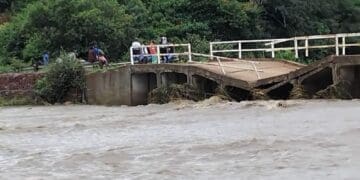
Persistent heavy rains have led to collapsed bridges, eroded roads, flooded tourism routes and damage to infrastructure, while wildlife displacement in some areas has further disrupted tourism operations.
The flooding has since been declared a national disaster. In a media statement issued on 18 January, LEDET called on tourism establishments including lodges, guesthouses, hotels and game reserves to submit reports detailing flood-related damage and operational challenges.
The department said the information would be used to assess the economic impact and inform recovery interventions for both public and private tourism assets.
Several tourism operators raised concern about the short notice for submitting reports. Some questioned the practicality of the deadline, noting that the notice was issued on 18 January while submissions were due the following day.
Others said that while the form is online, flood-related challenges such as damaged roads, limited access to the lodge or resort, and disrupted communication made it difficult to gather the necessary information on time.
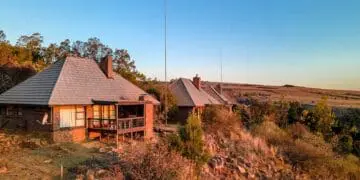
Advocate Ngoako Moropene, director and chief executive officer of Seaphole Lodge and Resort, in Limpopo, said while the lodge did not suffer structural damage, the floods had a significant financial impact on the business.
“We did not record any physical damage to the structure. However, the business suffered serious financial losses as client numbers declined due to heavy rains, damaged roads and collapsed bridges, which made it difficult for guests to reach the lodge,” said Advocate Moropene.
He added that the short notice provided made it difficult for the lodge to submit the required report, highlighting the pressures many businesses face in flood-affected areas.
Nonetheless, the department has taken steps to ensure affected businesses can still report their losses and receive support
“The link will remain open at all times,” said Zaid Kalla, spokesperson for LEDET.
“Any affected business can use it to complete details of how they have been impacted. The department will update and consolidate the list every two days to ensure all affected establishments are able to report.”
This measure aims to ensure that businesses experiencing access, electricity or logistical challenges are not excluded from the recovery process.
Tourism is an important part of Limpopo’s economy, providing thousands of jobs and supporting many small businesses, especially in rural areas.
Many operators are already struggling as damaged roads and limited access cause booking cancellations and financial pressure. Industry experts warn that without quick help, some small businesses could lose jobs or even close down.
LEDET emphasised that the disaster is not limited to traditionally hard-hit municipalities and encouraged tourism businesses across the province to participate in the assessment process. The department stated that no establishment would be left behind in efforts to rebuild the sector to pre-flood levels.