







































Small-scale farmers across Vhembe are facing devastating losses after heavy rains and flooding destroyed mealie fields, the province’s staple crop and a primary source of income for rural households.
Many farmers are reporting losses, leaving them unable to harvest and sell their crops.
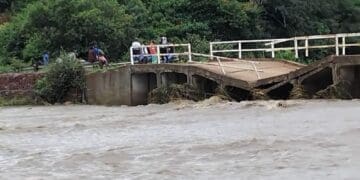
Last week, the South African Weather Service (SAWS) issued a Red Level 10 weather alert, the highest warning level for disruptive rainfall and severe flood risks across parts of Limpopo and neighbouring Mpumalanga as heavy downpours saturated fields, rivers and low‑lying areas.
For farmers like Muthuphei Makhado in Duthuni, a small‑block mealie grower in the Vhembe area, the rains have been a nightmare.
“The floods feel like going back to the early 2000s when heavy rains wiped out everything,” he said.
“Our green mealies were just starting to take off, and now they’re gone. We planted to feed our families and sell in the communities, and now they’re uprooted and some washed out,” he said.
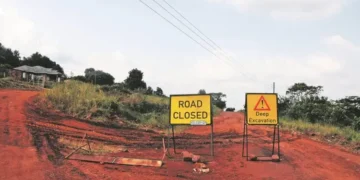
The relentless rains have left fields waterlogged, washing away green mealie plants and eroding fertile soil. With roads flooded and transport impossible in many areas, farmers who still have some crops cannot take them to market, meaning even partial yields are lost as potential profit.
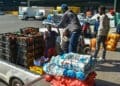
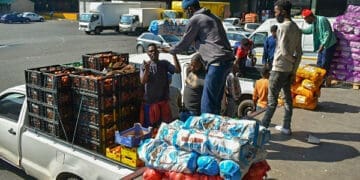
Roadside traders who depend on community maize sales have seen their incomes disappear. Avhafarei Mulemba, who usually sells mealies in Thohoyandou Plaza, said the season might be her last.
“Where I was getting my maize supply has been badly hit by these rains and floods. I can’t sell anything this season,” she said.
It is not just subsistence farmers who are affected. Vhangani Mukwevho, a larger maize farmer in Dididi of the Vhembe region, reported massive losses.
“Hundreds of hectares of maize were destroyed by floodwaters. The soil has washed away in many places, and replanting will be difficult. This sets us back a whole season,” he said.
The heavy rains did not spare fruit crops. Mango growers across the province reported entire loads of fruit falling off trees before ripening, while litchi traders like Mpho Ramovha in Ngovhela said most of her harvest is now worthless.
“Most litchis are cracked from too much water, and they can’t be sold. We’ve lost almost all our expected income for the season, “she said.
Insurance practitioner Thandiwe Dlamini explained that while crop insurance exists, uptake among small-scale farmers remains low due to cost and lack of awareness.
“Many subsistence and backyard farmers do not have formal insurance, meaning any loss translates directly into financial ruin,” she said. “There is a need for affordable, community-based insurance schemes that can provide a safety net during disasters like floods.”
The Department of Agriculture, Land Reform, and Rural Development has urged affected farmers to document their losses and apply for disaster relief support.
Agricultural graduate Abongile Jack from Stellenbosch University said the situation highlights the vulnerability of small-scale farmers.
“Mealies are central to food security and income in Limpopo. When floods destroy these crops, farmers don’t just lose food but they also lose their ability to trade, sustain their families, and invest in the next season.
As Vhembe and parts of Limpopo grapple with the impact of these floods, small-scale farmers are calling for immediate assistance and long-term solutions to protect mealie production, safeguard incomes, and secure the province’s agricultural future.
“Without urgent support, many may be forced to leave farming altogether for this session,” Jack said.
Azwi@vutivibusiness.co.za