








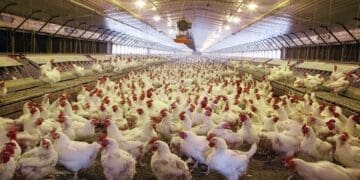

































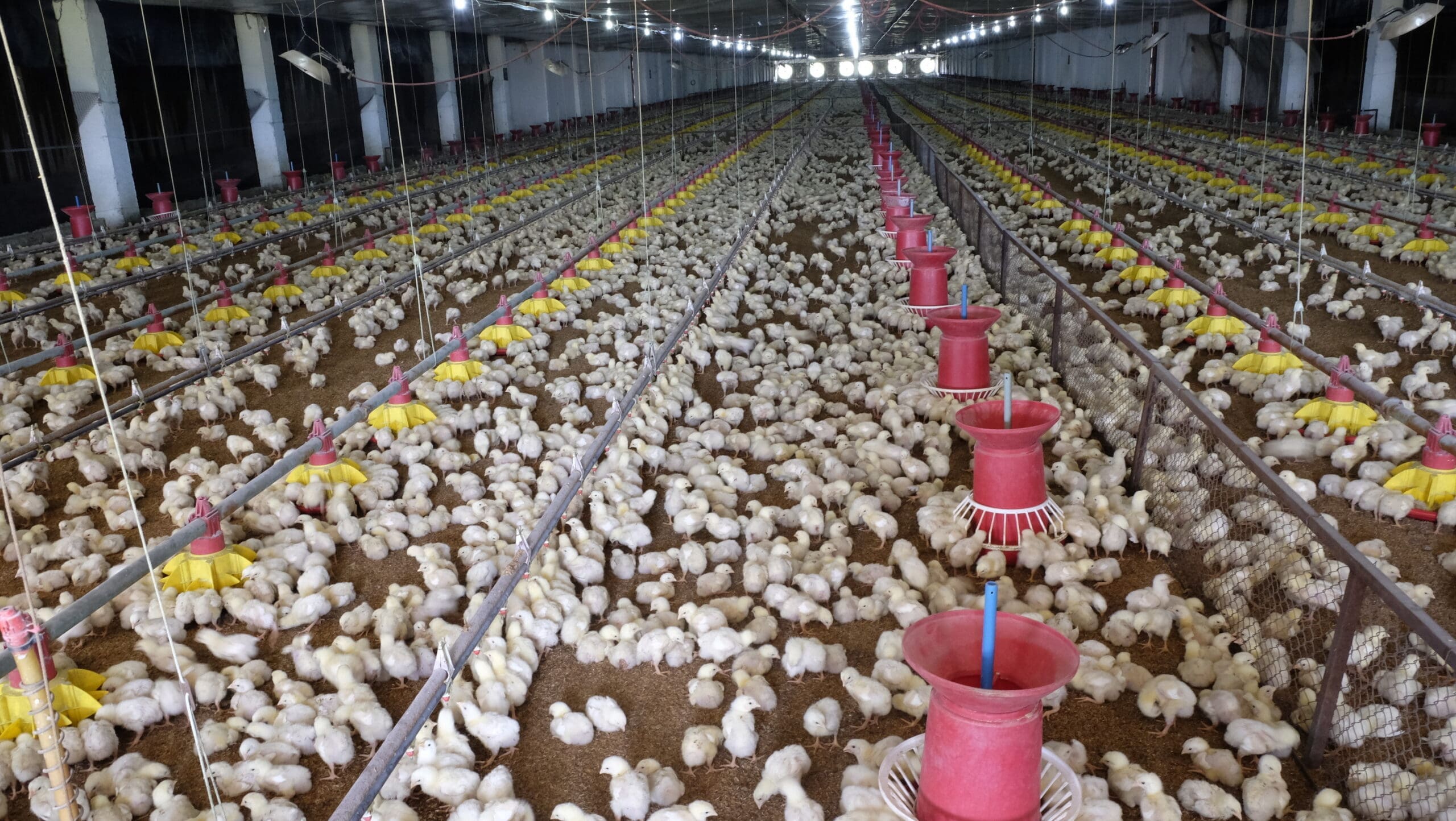
Small-scale poultry farmers are set to benefit from a Rainbow Chicken initiative that includes the handing out of 100 chicks to boost their businesses. Through the programme, farmers receive broilers, feed and essential production inputs, enabling them to participate in poultry production within a structured system linked to a formal off-take market.
The initiative, based in Malelane, Mpumalanga, is expected to strengthen local poultry production, improve food security and expand commercial opportunities for emerging farmers in the Nkomazi Local Municipality.
One of the beneficiaries, Malelane-based farmer Sibusiso Mkhize, said the support will help him scale his operation.
“For small farmers like us, the biggest challenge is starting capital. Receiving 100 chicks gives me a foundation to grow, gain experience and reinvest. If the market access is there, it becomes a real business, not just survival farming,” Mkhize said.
Poultry production cycles typically run between six and eight weeks, allowing farmers to complete up to six cycles per year. Industry estimates indicate that a small-scale operation of between 500 and 1,000 birds per cycle can generate a steady household income while supporting seasonal employment.
Poultry accounts for more than 60% of national meat consumption, making supply stability a strategic priority for the sector.
Rainbow Chicken said the initiative forms part of its broader localisation and supplier development strategy, aimed at securing poultry supply while integrating small-scale and emerging farmers into formal value chains.
The operation is structured to reduce key barriers faced by emerging poultry farmers, including high input costs and limited market access.
Member of the Nkomazi Local Municipality’s Mayoral Council, Lori-Tebogo Vuma, said agriculture remains a critical pillar of the local economy.
“Poultry offers one of the fastest routes for emerging farmers to participate meaningfully in the market. Investments like this strengthen supply chains while creating income and skills development opportunities for our communities,” Vuma said.
Local economic development officials noted that beyond primary production, the operation is expected to stimulate secondary economic activity through transport services, feed distribution, veterinary support and on-farm labour. Each supported poultry unit can sustain between two and five jobs per production cycle, depending on scale and management.