

















































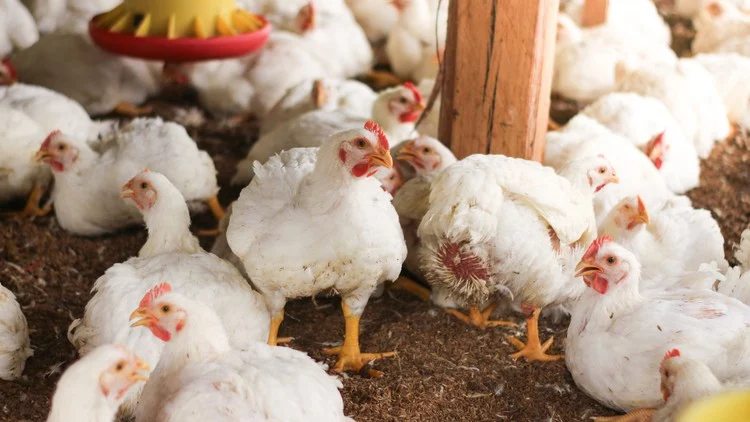
Rural-based poultry farmers are in full swing, preparing for one of their busiest and most lucrative periods of the year.
Weddings, family gatherings, and community events are driving a surge in demand for chicken, turning small-scale poultry operations into critical suppliers for local communities.
In Matibidi, Mpumalanga, Steve Kgotlelelo Mahlake, founder of Paragon Produce, is already working overtime to meet orders.
After selling most of his goats due to theft, Mahlake shifted his focus to poultry and maize, a move that is now set to pay off during the festive season.
“This year, demand for poultry is higher than ever,” he says. “I set up a stokvel where customers pay in advance, which helps me plan production and avoid shortages. But even with planning, it’s intense work,” Mahlake told Vutivi Business News.
Temporary workers assist with slaughtering and cleaning chickens, while Mahlake balances orders for households, local restaurants, and community events. Each bird represents income, but also responsibility; one misstep in feed management or disease control could result in losses.
Nearby, Thomas Zitha, a poultry farmer in Matsulu, is feeling the festive pressure as well.
“The demand this festive season is very high, my cage holds 200 chickens, and one group of women has already ordered 115,” he explains. “To meet all orders, I sometimes source additional chickens from other farmers.”
Zitha, who has been in the poultry business for over five years, raises chickens from day-old chicks to fully grown.
“I sell live, frozen, and sometimes grilled chickens to save on feed costs,” he says. Yet, space limitations and diseases such as coccidiosis remain constant threats. “Mortality can be high if you’re not careful. If you’re not passionate, you can easily quit. Most farmers in this area will be out of stock by 25 December.”
He adds that his main wish is access to proper training to manage disease and improve his cages, a common challenge for small-scale farmers.
Kamogelo Thobejane, agriculturalist and founder of Kamos Farming Enterprise in Limpopo, emphasises that proper feed management and disease control are critical.
“Good feed control helps farmers stay profitable, especially during peak seasons,” he says. “Farmers should prevent feed spillages, use feeders that minimise waste, and store feed in rodent-proof areas to maintain quality. Choosing feeds with high protein levels will improve growth rates and reduce losses.”
“Follow biosecurity guidelines, vaccinate your chickens, maintain foot baths at the entrance of the chicken house, and separate healthy birds from sick ones. Restricted access to chicken houses is essential to avoid outbreaks like coccidiosis, which can kill your flock if ignored,” Thobejane advises on disease prevention.
He also stresses market awareness and business strategy.
“Study your markets carefully, avoid overcapitalisation beyond demand, and attend farmers’ information sessions to learn from others. Promote your business through social media, encourage innovation, and provide convenient payment options, like swipe machines, to help customers pay easily during peak season,” he said.
The festive-season surge mirrors the scale of South Africa’s poultry sector. According to the South African Poultry Association and the Department of Agriculture, Land Reform and Rural Development, poultry generated R87.95 billion in farm income in 2024, up 10.5% from 2023, and accounted for 44.4% of all animal products. Poultry feed consumption remains the highest among livestock sectors, with 4.322 million tonnes used in 2023/24, representing 63.8% of total Animal Feed Manufacturers Association sales. Chicken exports grew 20.8% in 2024, while egg exports fell 23.7%, totaling R2.015 billion in revenue.
olga@vutivibusiness.co.za