




































South African SMEs are bracing for another tough year as rising costs, load-shedding, fuel hikes, and weak infrastructure force many to consider price adjustments.
These pressures affect daily operations, especially for township businesses with fewer suppliers. January brings extra strain as post-holiday demand and tight cash flow collide.
The latest Small Business Growth Index (SBGI) report shows that 67% of SMEs plan price hikes of up to 10%, while only 38% can survive a year without support. The index, produced by Absa, SACCI and UNISA, scored SMEs at 51.5 — still in the Vulnerable Zone despite a small rise from 50.08.
Current trading conditions vary widely, with 33% of SMEs reporting growth, 24% struggling, and 9% facing possible closure.
Despite these challenges, the outlook is surprisingly optimistic: more than half of small businesses expect moderate to strong growth in the coming year. Their expansion plans include local markets (92%), national reach (72%), online platforms (67%), and even export opportunities (45%).
Several township SMEs illustrate why price adjustments are becoming necessary.
Thokoza Spaza Shop, run by Nomsa Dlamini, has served her community for five years, selling groceries, snacks, prepaid electricity and airtime. She says the combined impact of load-shedding and rising fuel prices has made it increasingly difficult to operate.
“Wholesale prices keep rising, and load-shedding ruins some of our goods, especially items that need refrigeration,” Dlamini said.
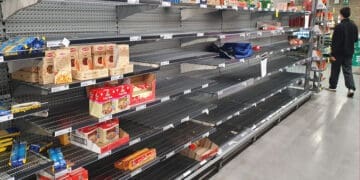
“When the power goes off, we lose dairy, meat, and other essentials. Fuel is also expensive, so our suppliers charge more for deliveries. We try to keep prices fair because many people rely on us for essentials, but sometimes we must adjust. January is always hectic; people need more goods after the holidays, and we have to meet demand without running out of stock.”
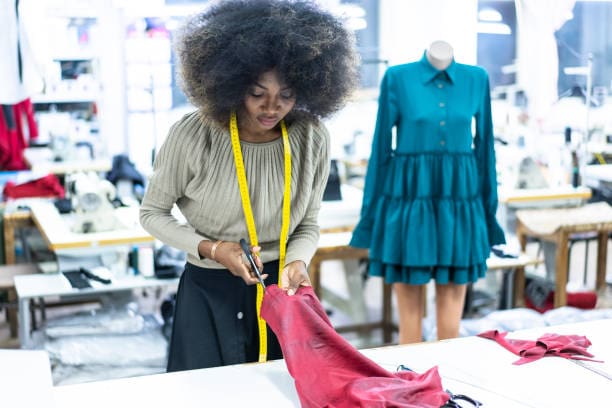
In Limpopo, clothing and accessories manufacturer Ndavuko Mavundza, founder of Ndavuko Fashion Designer in Bungeni, faces rising material and transport costs while fulfilling local and national orders.
“Fabric and cotton have gone up sharply, and exporting clothes to customers far away is not easy because delivery prices keep changing,” she said.
“With January coming, school uniforms are in high demand, so I need to buy extra material upfront. Every cost increase affects how much I can produce, but I must keep prices reasonable and my assistant employed.”
Rising transport, utility, and input costs are forcing SMEs to choose between maintaining supply, paying staff, and keeping prices affordable. Many have begun passing some costs to consumers, a move that risks weakening demand and prolonging inflationary pressures.
The SBGI stresses the need for stronger government and industry support.
Vignesh Subramani, Interim Managing Executive for SME Business at Absa, said,
“Small businesses are moving from fragile survival toward a conditional and uneven recovery. The balance between short-term relief, medium-term competitiveness, and long-term reform will determine whether South Africa’s SME economy becomes resilient, inclusive, and digitally enabled by FY2026.”
Alan Mukoki, Chief Executive Officer of the South African Chamber of Commerce and Industry (SACCI) added,
“Companies consistently requested stronger government intervention, from easier access to finance and grants, to reductions in red tape, VAT relief, and support to offset energy and load-shedding costs.”
The report recommends a phased policy response: urgent liquidity relief, stricter enforcement of 30-day payment terms, and energy-resilience incentives in the short term; digital adoption, financial inclusion, skills development, and SME–fintech partnerships over the next 18 months; and long-term structural reforms to cut red tape, improve procurement, diversify exports, and integrate SMEs into the national growth strategy.
It also calls for greater support for rural and township start-ups through improved coordination, data-driven policymaking, and better access to markets.
SMEs’ survival in 2026 will depend on smart operational adjustments, community support, and timely financial assistance. Rising costs affect everything from stock levels to salaries. Every day is a balancing act between meeting demand, keeping prices fair, and keeping their businesses running.
South Africa’s economy depends heavily on these enterprises. How SMEs navigate operational pressures and rising costs in 2026 will shape not only their survival but the resilience of the broader economy.
olga@vutivibusiness.co.za