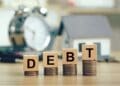










































Small and medium-sized enterprises (SMEs) across South Africa are facing growing financial pressure as debt levels rise, threatening both survival and growth.
According to the 2024 Annual Financial Statistics survey by Statistics South Africa, total debt in the formal business sector reached R9.8 trillion, slightly down from the previous year but highlighting continued vulnerability, particularly among smaller firms.
Stats SA data shows that these businesses recorded a debt-to-assets ratio of 0.68, slightly above the broader sector. In some industries, including electricity, gas, water supply, and mining and quarrying, small businesses carried more liabilities than assets, meaning they owe more than they own.
Economist Dawie Roodt, chief economist at Efficient Group, said the debt reflects structural economic challenges.
“SMEs are under pressure from rising interest rates, inflation, and unreliable infrastructure,” Roodt said. “Many small businesses do not have the capacity to absorb these financial strains, and debt quickly becomes a barrier to growth and sustainability.”
SMEs feel the strain of rising debt
Debt is a daily reality for SMEs across sectors. Many rely on borrowing to finance operations, manage stock, or invest in projects, and delays or high costs can quickly create pressure.
“We sometimes borrow money to start projects, but if a client delays payment, the debt can quickly become difficult to manage. You still need to pay suppliers, staff and overheads, so one late payment can throw everything off balance. Sometimes we have to choose between paying workers or buying materials to finish a project”
”It’s stressful because delays don’t just affect cash flow they can also affect our reputation with clients and suppliers. You end up constantly juggling, trying to keep everything afloat and it feels like you’re running just to stay in the same place,” said Mashudu Mudau, who runs a small construction company in Makwarela, Limpopo.
Even smaller, informal businesses face daily financial pressures. Elizabeth Botsane, who lives in Philip Nel, runs a food and snack business, selling a variety of meals to learners at Hoërskool Pretoria-Wes in Pretoria-West.
“Every morning, I travel to the school and I spend the whole day there selling food and snacks,” she explained.
“I don’t have a car, so I rely on public transport, which adds to my expenses. I use the money I make from sales to pay rent, buy groceries and support my son. Some days are better than others, but if sales are slow or unexpected costs come up like rent or electricity I have to borrow money just to cover basic expenses. It’s stressful because I can only really catch up financially near the end of the month when sales are higher, but during the month, I often find myself falling deeper into debt.”
“Even small delays or extra expenses throw everything off balance. I’m constantly juggling what I owe with what I earn. Some days I worry about how I’ll make it through the next few hours, and it feels like a cycle that’s hard to escape. But I keep going because my son depends on me, and I need to keep the business running,” explained Botsane.
According to Stats SA, long-term loans dominate SME debt, leaving businesses vulnerable to rising interest costs and operational setbacks.
Luncedo Mtwentwe, managing director of Vantage Advisory, emphasised the human impact.
“Over 72% of SMEs are relying on personal savings just to survive,” Mtwentwe said. “Many cannot pay employees or suppliers on time, which shows the real strain behind the statistics. Without proper support, debt can threaten the survival of these businesses.”
Economic implications and expert insight
High debt levels among SMEs have wider implications for the economy. Professor Waldo Krugell of North-West University said rising debt limits investment, hiring, and expansion.
“SMEs are the backbone of employment and economic activity,” Krugell said. “When debt levels rise unchecked, it curtails their ability to contribute to growth. Structural support, lower costs of doing business, and better access to finance are critical to help these firms manage debt effectively.”
“Debt is not always avoidable, but planning, prudent borrowing, and support mechanisms are essential. Without these measures, even well-run SMEs may be forced into survival mode. This is not just a financial issue it’s a risk to jobs and economic resilience,” he said.
The challenges facing South African SMEs highlight the importance of financial literacy, strategic borrowing, and operational planning. As businesses navigate debt pressures, careful management and expert guidance remain critical to sustaining growth and protecting employment.