














































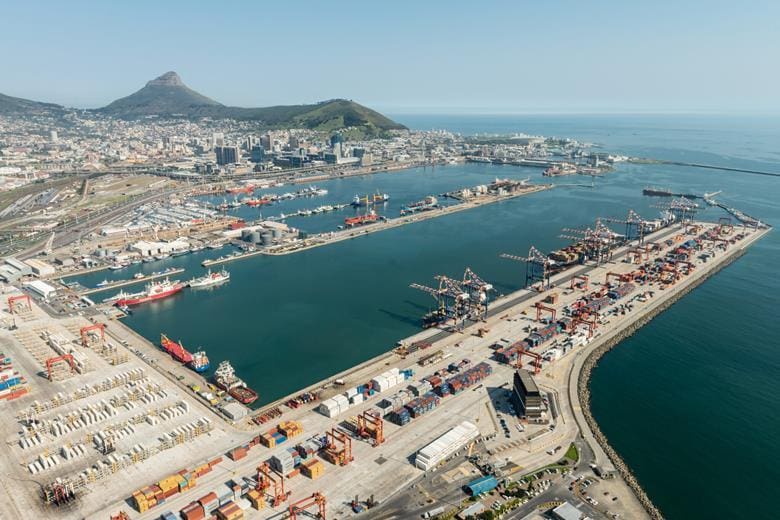
Delays at the Port of Cape Town are once again disrupting South Africa’s fruit export industry at the height of the 2025/26 season, placing pressure on farmers, exporters and small businesses that rely on smooth logistics to survive.
At this time of year, a strong summer wind called the Cape Doctor blows from Table Mountain and Devil’s Peak towards the port. This wind is normal, but in recent years it has become stronger and more frequent, causing bigger problems.
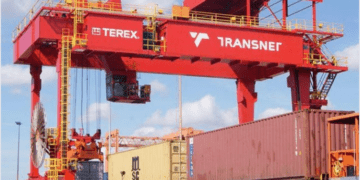
“If these amplified harbour winds exceed about 80 kilometres per hour, port operations need to shut down to avoid safety risks from swinging containers and the potential collapse of cranes,” said Dr Neville Sweijd, director of the ACCESS programme.
On average, the port loses 1 200 hours of operational time each year due to extreme winds.
“Occasionally, fruit companies have to put their fruit on a truck and get it to Durban so that they can get it to their market on time,” said Sweijd.
Council for Scientific and Industrial Research (CSIR) engineer Vuyo Ndayi said sensors and wind monitors at the port give hourly and daily data to guide exporters and port operators.
Magenthran Ruthenavelu, technical director at Transnet National Ports Authority (TNPA), also added that research could lead to changes in port structures to reduce the impact of strong winds on operations.
The Port of Cape Town is a key route for fresh produce exports to Europe, the UK, and Asia. For farmers and exporters, timing is critical as delays can reduce fruit quality, trigger penalties or cause complete loss of sales.
“These disruptions place producers and exporters at risk of losses running into hundreds of millions of rand. If grapes take longer to reach the export destination, it can result in quality claims that affect the returns producers receive,” said Mecia Petersen, Chief Executive Officer of the South African Table Grape Industry (SATI).
Roelf Pienaar, managing director of Tru-Cape Fruit Marketing, has previously highlighted how unforgiving global fruit markets can be when shipments are delayed.
“If a vessel to Europe, the United Kingdom or the Far East is missed, the sale is gone,” he said.
Export programmes are fixed well in advance, leaving little room for recovery once deadlines are missed.
The delays also hit SMEs that handle trucking, cold storage, packaging and port services.
When containers are delayed or rerouted, SMEs face higher fuel costs, longer turnaround times and less work. Many of these township and rural SMEs operate manually, rely on cash and struggle to access financing or relief, making them highly vulnerable. These small businesses are crucial for moving produce from farms to markets and supporting local jobs.
Industry bodies have warned that while strong winds are expected, the impact is worsened by ageing infrastructure, slow recovery after stoppages and limited equipment. The fruit industry supports thousands of jobs across farming, logistics and processing. When exports are delayed, local communities and SMEs feel the economic impact.
With the peak season still underway, exporters and industry stakeholders are calling for urgent improvements at the port. They warned that ongoing disruptions could harm South Africa’s reputation as a reliable supplier and place even more pressure on SMEs already facing rising costs.