
































Small businesses across Limpopo, from construction and logistics to local suppliers, are set to benefit from the province’s 2026/27 budget, which prioritises rebuilding infrastructure and recovering from flood damage. The plan provides new opportunities for SMEs to grow, hire staff, and contribute to local economic recovery.
The provincial government has allocated R95.8 billion for the year, with most funding coming from the equitable share of R78.951 billion, conditional grants of R13.81 billion, and provincial own revenue of R2.24 billion.
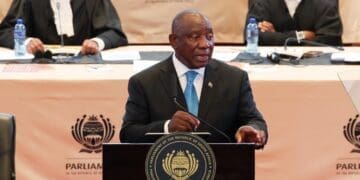
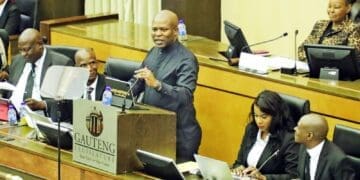
Tabling the budget at the Legislature in Lebowakgomo, MEC for Finance Kgabo Mahoai said the plan balances fiscal discipline with development priorities, ensuring essential services continue while supporting small businesses and local suppliers.
“This budget reflects responsible choices. Even within constrained resources, we can protect core services, rebuild infrastructure and strengthen governance,” Mahoai said.
SMEs set to benefit from infrastructure rebuilding
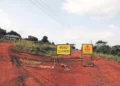
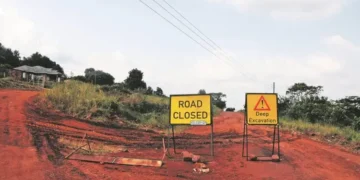
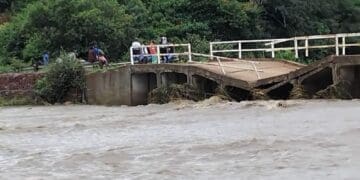
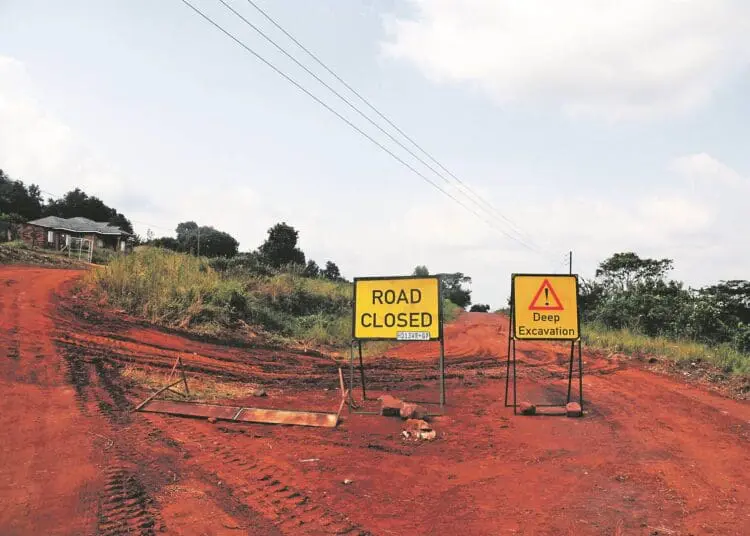
While infrastructure is the main focus, the budget is expected to provide relief and opportunities for local businesses affected by the floods. Small contractors, transport operators, and suppliers who rely on roads and public infrastructure will benefit from the rebuilding efforts.
Thomas Ngobeni, who runs a small construction business in Valdezia, near Elim, said the flood damage earlier this year created uncertainty for small contractors.
“The floods damaged roads, schools, and clinics, which left many small construction companies with fewer opportunities to keep our teams employed. Seeing the government allocate funds specifically for rebuilding these facilities gives us real hope,” Ngobeni said.
“It means we can plan projects, hire more people and help communities recover. We know it will take time, but having a clear budget and commitment from government shows that our work is valued and that we can contribute to restoring essential services while keeping our business running.”
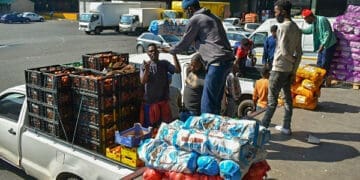
Elvis Nesindande, a spaza shop owner in Mahamatshena, welcomed the budget’s focus on infrastructure, saying it gives his business hope after flood disruptions.
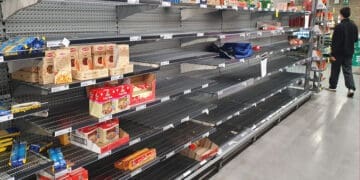
“Damages from the floods made deliveries impossible, as suppliers couldn’t get bread, cold drinks, and other goods to us. We struggled to keep the shop running. This budget shows that the government is serious about repairing infrastructure. It will take time, but now there is something concrete we can rely on to get our business back on track,” he said.
The budget also aims to strengthen economic activity and support local suppliers by increasing procurement from Limpopo-based suppliers from 35% to 47% and allocating R30 million to the Micro, Small and Medium Enterprises (MSME) strategy, helping small businesses access government contracts.
“There have also been improvements in procurement directed to businesses owned by women and youth but hope to improve on the people with disabilities as well as military veterans. We believe this will continue to strengthen job creation in our province. As the President indicated during his State of the Nation Address,” Mahoai said.
In a move welcomed by small businesses, MEC Mahoai announced that the compulsory VAT registration threshold for small businesses will increase from R1 million to R2.3 million, a change expected to make it easier for SMEs to grow and operate without additional tax burdens.
Funding agricultural and agro-processing projects, including farm revitalisation, supporting rural farmers and food production. Allocating R205 million to the Limpopo Tourism Agency to promote investment, attract visitors, and strengthen local economies.
Rebuilding infrastructure after floods
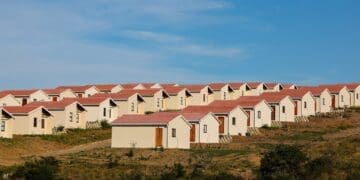
Infrastructure remains a top priority in Limpopo’s 2026/27 budget, with R9.39 billion allocated for projects this year and a total of R24.845 billion planned over the Medium-Term Expenditure Framework. Funding will support the construction, upgrading, and maintenance of roads, schools, hospitals, clinics, and government facilities, with the Department of Public Works, Roads and Infrastructure receiving the largest share of R4.809 billion.
Education and health infrastructure are allocated R1.914 billion and R1.009 billion respectively. The budget also addresses flood-related damage, redirecting R685 million and tapping into R53.3 million in disaster response funding to repair affected facilities, restore essential services, and strengthen infrastructure to withstand future disasters.
“These funds will repair damaged facilities and restore essential services,” Mahoai said. “They are also designed to strengthen infrastructure to withstand future disasters.”