




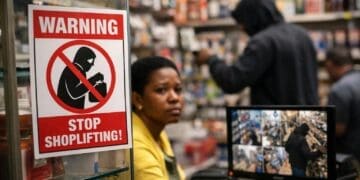

































Small and medium-sized enterprises face growing threats from illicit and counterfeit products that undermine their businesses, drive away customers, and create unfair competition.
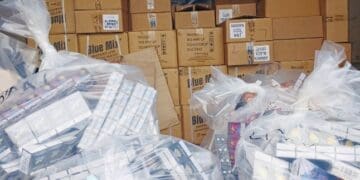
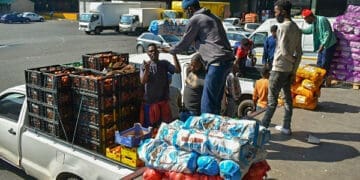
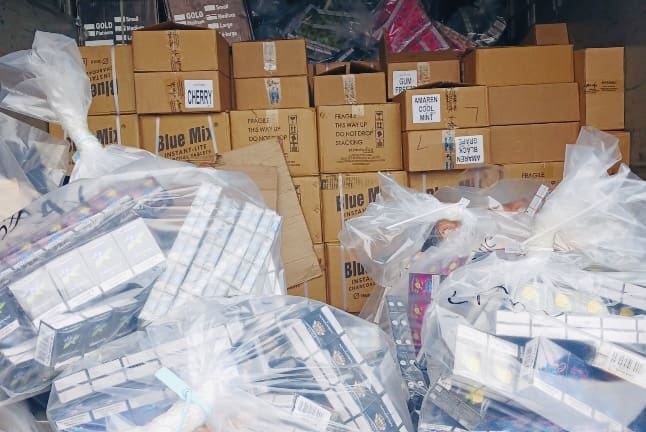
Over R25 million worth of illegal goods were seized in Nirvana, Polokwane, in Limpopo during joint compliance inspections conducted as part of World Consumer Rights Day activities.
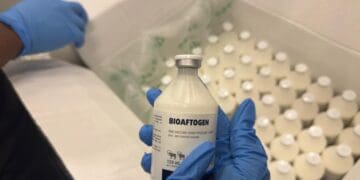
The operation, led by the Limpopo Department of Economic Development, Environment and Tourism (LEDET) alongside the National Consumer Commission, South African Police Services and other regulators, uncovered unlicensed cigarettes, energy drinks, vapes, condoms, paracetamol, and other household items lacking proper certification or compliance labels.
Officials warned that these illicit products threaten legitimate small and medium-sized enterprises, pose health risks to consumers, and suppress provincial economic growth.
Illicit goods hurt SMEs and consumers
“We spend months sourcing our products legally and following all regulations, but when cheap, illegal goods flood the market, it directly affects our sales,” said David Sekgobela, owner of a small shop in Polokwane.
“Customers often choose the cheaper illicit products, even if they are unsafe, and it makes it very hard for honest SMEs to compete. Some of our regular customers have stopped coming because they find the prices too high, even though we are complying with the law. It’s frustrating because we follow the rules, but the market is flooded with products that are dangerous and unfairly cheap.”
“I’ve worked with foreign-owned shops in Venda before, and I saw how unlicensed stores sold fake or expired goods,” said Tshifhiwa Gift Maeko, a local consumer.
“These products are unsafe and create unfair competition for honest businesses. SMEs lose customers because people are drawn to cheap, illegal goods, which hurts both the economy and public health,” Maeko said.
“I usually buy cold drinks at my regular shop, but recently I bought some from another store and the taste was completely different,” said Thabelo Mungwena, a resident of Dzwerani.
“The bottles weren’t full, the colour was off, and some measurements were wrong. This happens not just with drinks but also with alcohol; fake alcohol is sold everywhere, and it’s dangerous. We need inspections to continue regularly, and we wish to buy products from reputable retailers like ShopRite and Spar, so we can stay safe. These retailers are far away from us, so we don’t have a choice but to support the locals.”
Compliance inspections reveal gaps
At Infinity Store in the Savannah Mall, inspectors found nearly 90% of the products were illicit, many without ICASA certification. 89 SMEs were inspected across Limpopo, with 46 compliant and 43 non-compliant, highlighting ongoing gaps in enforcement. Officials said fines, confiscations, and arrests were issued where necessary.
“World Consumer Rights Day reinforces our commitment to protecting consumers and ensuring fair business practices,” said MEC Tshitereke Matibe.
“South Africa has adopted international principles of consumer protection, reflected in the Consumer Protection Act 68 of 2008, which transformed the relationship between consumers and suppliers. This Act establishes clear rights that guarantee fairness and accountability in the marketplace. LEDET, together with its partners, is not only educating consumers but also enforcing the law to protect them against unfair practices.”
The law guarantees the right to equality in the marketplace, privacy, freedom of choice, disclosure of information, fair market practices and responsible marketing, honest and fair dealings, reasonable terms and conditions, safe and good-quality products, and accountability from suppliers.
Educating and empowering SMEs and consumers
The inspections and awareness campaigns during World Consumer Rights Day focused on empowering consumers and supporting law-abiding SMEs. Officials emphasised that compliance with consumer protection laws is essential for SMEs to avoid fines, maintain consumer trust, and contribute to the provincial economy.
Solly Masingi from LEDET’s Consumer Affairs Office said the operations resulted in confiscations, fines, and arrests, demonstrating the government’s commitment to safe markets and fair competition.
“Illegal goods hurt consumers and the province’s economy,” Matibe added. “Our goal is a fair and inclusive business environment where law-abiding SMEs can thrive, and consumers can shop safely.”
How consumers can report unfair treatment
Consumers who encounter unsafe, illegal, or unfairly sold products can take action to protect themselves. Complaints can be lodged with the National Consumer Commission (NCC) via their website or by calling 012 428 7000.
In Limpopo, LEDET’s Consumer Affairs offices provide guidance, legal assistance, and enforcement support through district consumer advisors. For industry-specific issues, consumers can also contact the Motor Industry Ombudsman for car-related complaints, the National Credit Regulator for loan or credit disputes, and ICASA for uncertified electronic products.
Consumers can also report concerns directly during inspections and campaigns, such as World Consumer Rights Day, helping authorities address illegal and unsafe goods quickly.
Useful links:
https://www.consumersinternational.org/what-we-do/world-consumer-rights-day/
https://thencc.org.za/
https://www.ncr.org.za/register_of_registrants/registered_cp.php