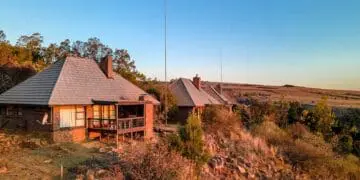






















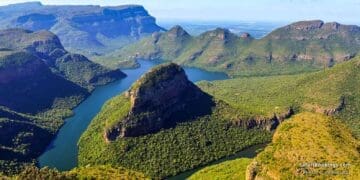










The Chief Albert Luthuli Local Municipality in the picturesque Mpumlanga lowveld is rich in biodiversity, geological heritage, and cultural history. Yet local tourism entrepreneurs argue that natural assets alone do not guarantee economic inclusion.
Beauty spas, lodges, shuttle services, craft markets, and tour operators form an interconnected ecosystem. When one segment struggles, the ripple effect is felt across the value chain.
If roads improve, visitor numbers rise; if fencing is secured, safety perceptions strengthen, and when funding is paired with mentorship, businesses scale.
Collectively, these interventions could translate into sustainable jobs for youth and women in surrounding communities.
Tourism SMEs in the municipality say the upcoming Taking Legislature to the People (TLP) programme must move beyond dialogue and deliver practical solutions that unlock growth for small businesses operating in the region’s heritage and conservation economy.
During a recent pre-TLP engagement convened by the Mpumalanga Provincial Legislature, SMEs linked to tourism in the Makhonjwa area laid bare the daily operational challenges that threaten the sustainability of their enterprises.
From deteriorating access roads and wildlife incursions to limited funding access and weak post-investment support, the message was clear: the potential exists — but structural barriers are stifling growth.
Poor roads and wildlife incursions deter tourists
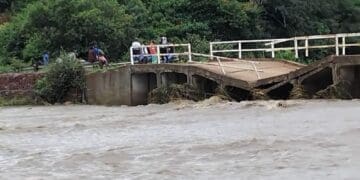
For lodge owners and tour operators, poor road infrastructure remains a primary obstacle.
Several operators serving the Barberton Makhonjwa Mountains, a UNESCO World Heritage Site, report that damaged gravel roads discourage self-drive tourists and increase vehicle maintenance costs for shuttle operators.
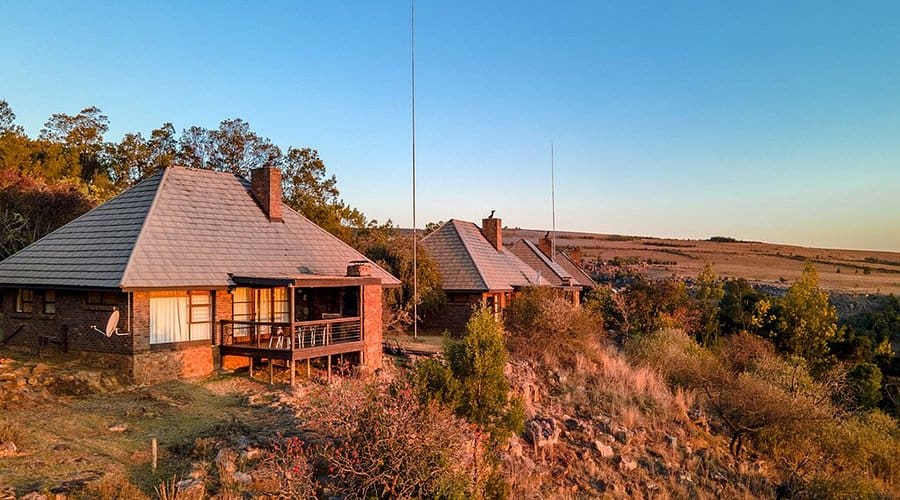
“Tourists want accessibility and safety. If the journey becomes stressful, they simply don’t return or recommend the destination,” said Precious Sambo, owner of Elangeni Lodge.
For beauty spa operators and guesthouse owners in surrounding towns, low visitor numbers directly translate into reduced bookings, affecting cash flow and job retention.
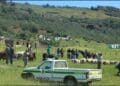
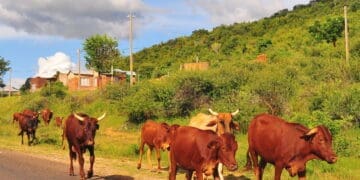
Another pressing concern raised during the engagement was inadequate fencing around conservation areas, leading to wildlife straying into nearby communities and tourism facilities.
Small business owners argue that without secure boundaries, both residents and visitors face safety risks and a reputational threat for a region marketing itself as a premier eco-tourism destination.
Tour operators say consistent incidents undermine confidence among international travel agents, especially as the municipality prepares to host the upcoming Tourism Indaba.
Thulani Nkosi, a tour guide operating geology and hiking excursions, said transport providers are reluctant to bring larger buses into the area due to safety concerns.
“This directly affects our ability to attract conferences, school tours and international groups.”
Funding without aftercare
While some entrepreneurs have managed to secure one-off grants from state agencies or loans, many say post-investment mentorship and monitoring are lacking.
Nomvula Dlamini, who runs a wellness spa catering to domestic tourists, said they need clearer communication and stronger aftercare mechanisms.
“Funding alone is not development. We need structured aftercare marketing support, compliance guidance, and digital training, so businesses don’t collapse after two years,” said Dlamini.
SMEs argue that growth requires more than capital injections; it demands integrated enterprise development programmes aligned with the realities of rural tourism markets.