
















































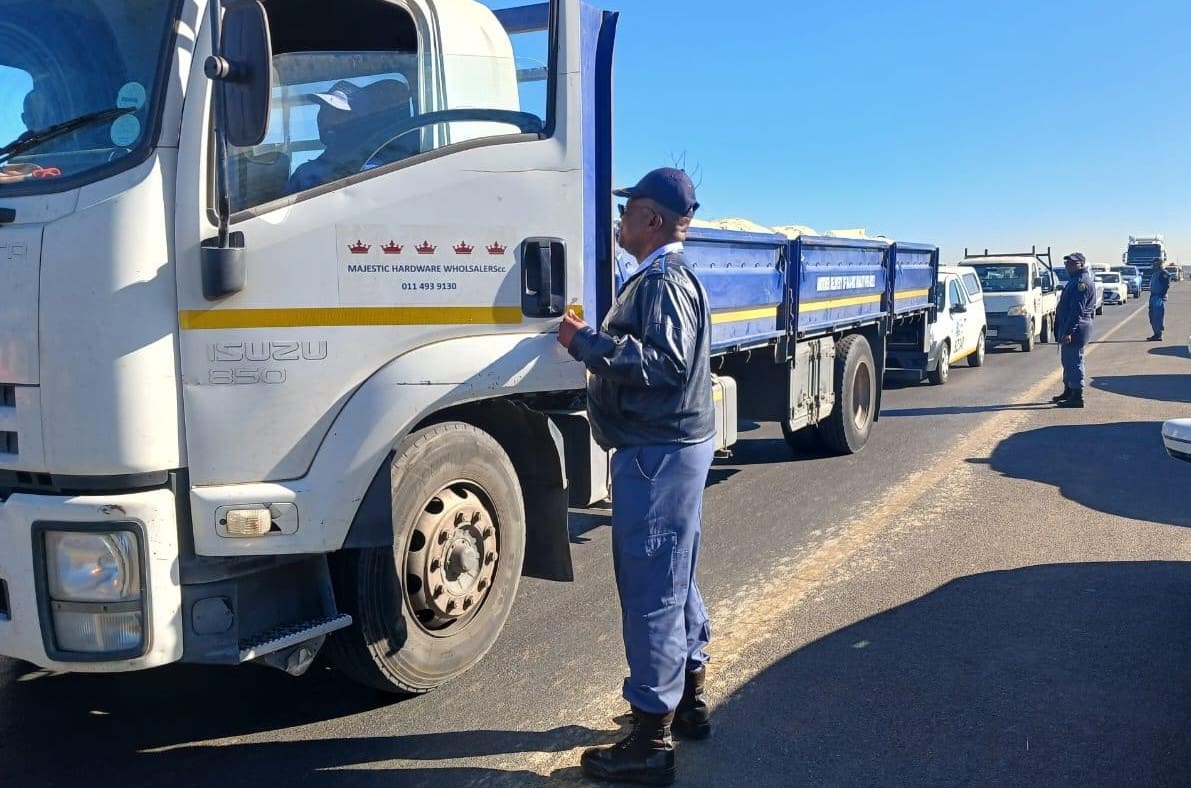
Logistics SMEs say the improvement 10,4% decline in truck hijackings in Gauteng has not eased the financial and psychological strain on operators.
The SA Police Services (SAPS) revealed in its third quarter crime statistics that there were 26 fewer reported cases compared to the same period last year.
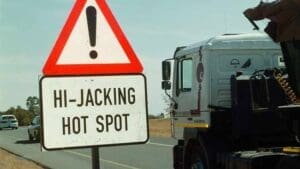
According to the data, Gauteng recorded 249 truck hijackings in Q3 of 2024, compared to 223 cases in Q3 of 2025. Despite the decrease, the province still accounts for the highest number of truck hijackings in the country.
While the 10.4% drop signals some progress, Gauteng continues to top the national list for truck hijackings. As South Africa’s economic hub, home to major freight routes linking Johannesburg, Pretoria and surrounding industrial areas — the province remains a prime target for organised cargo crime.
Security experts say syndicates often target trucks carrying high-value goods such as coal, electronics, food, fuel and building materials. Even with the quarterly improvement, the overall figures remain high compared to other provinces.
Logistics businesses still under strain
The decrease has done little to ease pressures on the ground for logistics SMEs.
Operators say insurance premiums remain steep. Security requirements including advanced tracking devices, armed escorts and strict route planning, continue to push up operating costs.
Jubilee Freight Solutions, a Pretoria-based SME operating a fleet of refrigerated trucks said despite the lower numbers, insurance premiums remain high.
“We have to install dash cams and the business insurance is already expensive on its own,”said the operations manager, Sizwe Ngema.
“Even one incident can delay our deliveries by days, affecting contracts with supermarkets and retailers,” said said.
Ngema also added that drivers are required to undergo hijacking awareness training.
Similarly, Mapalo Transport, which focuses on transporting construction materials, said that the cost of installing GPS tracking, dash cameras, and route-monitoring software has doubled over the past two years.
“The numbers may show a decrease, but our operational risks haven’t changed. Drivers still avoid night routes and high-risk areas,” said the owner, Dineo Mapalo.
A real-world aspect is the impact on delivery times. In December 2025, Mapalo Transport has reported three hijacking attempts on three of its trucks carrying cement in Germiston. This forced the driver to abandon the cargo, resulting in a three-day delay for multiple construction projects. Highlighting the ripple effect on clients and supply chains.
Business crime studies emphasize that one hijacking can shut down a small company. While drivers also report ongoing trauma and anxiety, particularly on high-risk routes in and around industrial zones.
Calls for sustained intervention
Truck hijackings are classified as a priority crime based on their economic impact. Industry bodies urge sustained intelligence-led policing, greater visibility on freight corridors, and faster prosecution of syndicates.
While the Q3 figures offer cautious optimism, logistics SMEs say real relief will only come if the downward trend continues consistently.
“Even though the numbers dropped, we are still the highest in the country and account for almost two-thirds of all cases nationally. That doesn’t make us feel safer,” Mapalo said.
Until Gauteng loses its status as the country’s truck hijacking hotspot, local logistics SMMEs remain cautious.
https://www.saps.gov.za/services/crimestats.php