










































Small businesses operating in construction, logistics and supplier industries could see new opportunities emerge from Gauteng’s infrastructure investment plans announced in the province’s R179.2 billion 2026/27 budget.
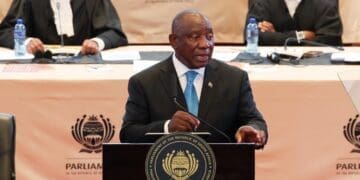
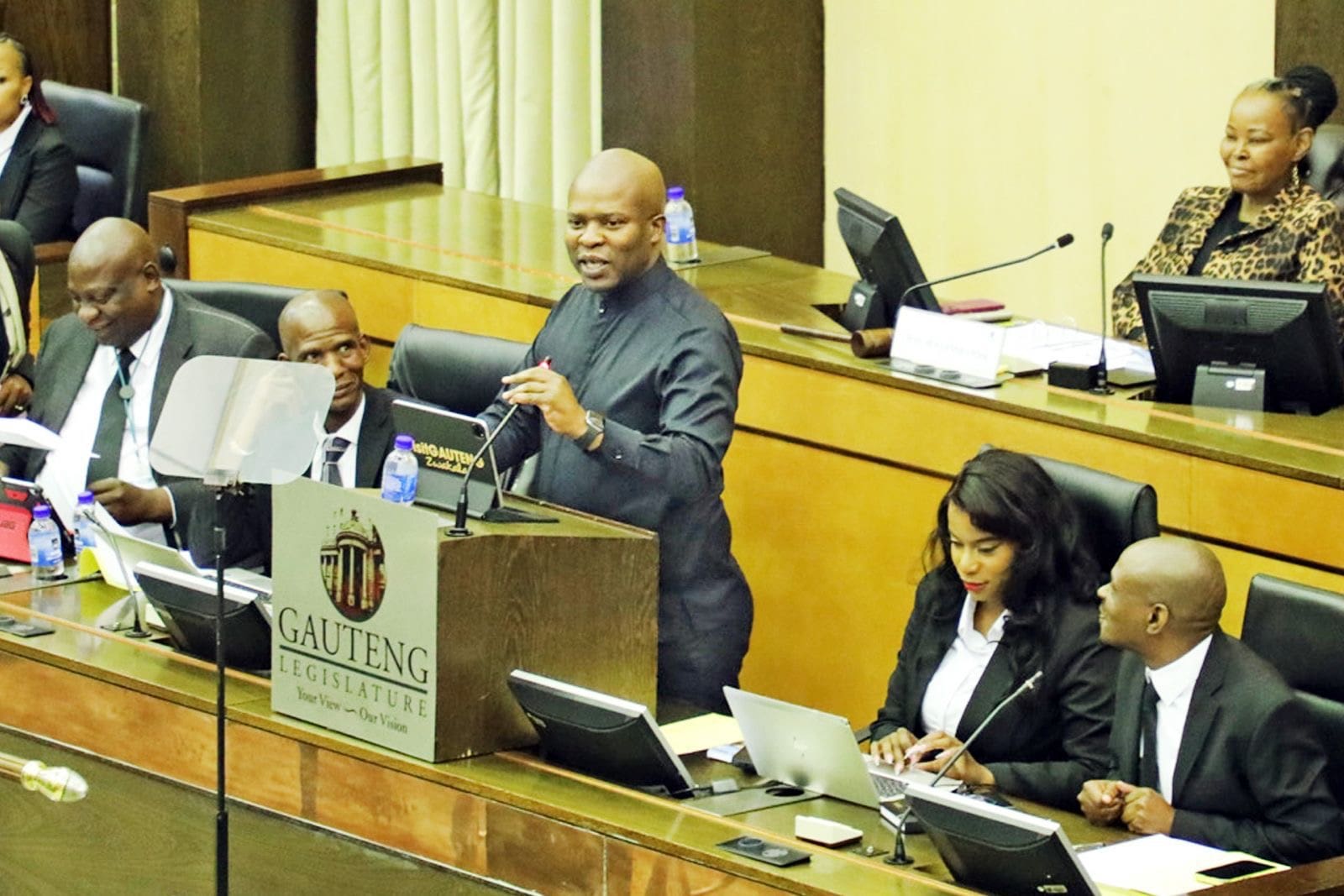
Gauteng MEC for Finance and Economic Development Lebohang Maile tabled the provincial budget this week, outlining spending priorities aimed at strengthening service delivery while supporting economic growth in South Africa’s economic hub.
A key feature of the budget is infrastructure investment, with R36.4 billion allocated to infrastructure programmes over the Medium Term Expenditure Framework. The funding will support the construction, maintenance and upgrading of public facilities including schools, hospitals and transport infrastructure.
“Infrastructure investment remains the backbone of economic growth and improved service delivery in our province,” Maile said during the budget speech.
Infrastructure programmes drive SME supply chains
Large public infrastructure programmes often generate economic activity beyond the primary construction contracts, creating supply chain opportunities for smaller businesses involved in materials supply, transport, equipment hire and maintenance services.
Government infrastructure projects frequently rely on subcontracting structures where smaller firms carry out portions of work under larger contractors.
Maile said the province views infrastructure spending as a tool for both economic development and employment creation.
“Our infrastructure programme is designed to stimulate economic activity while supporting job creation across Gauteng,” he said.
For small contractors, government projects can represent a critical source of revenue, particularly during periods of slow private sector construction activity.
Sibusiso Nkosi, who runs a small building and maintenance company in Tembisa, said public infrastructure projects often determine whether small firms remain operational.
“When government infrastructure projects are happening, small businesses like ours can get work through subcontracting,” Nkosi said. “Without those opportunities many small contractors struggle to keep their teams employed.”
However, Nkosi added that smaller firms often face barriers when trying to access public sector projects.
“The biggest challenge is the procurement process. Many tenders are structured for bigger companies, so smaller businesses usually only participate as subcontractors,” he said.
Economic development funding aimed at strengthening enterprise participation
The budget also allocates R1.8 billion to the Gauteng Department of Economic Development for the 2026/27 financial year, increasing to R4.9 billion over the medium term.
This funding supports programmes run through agencies such as the Gauteng Enterprise Propeller and the Gauteng Growth and Development Agency, which focus on investment promotion and business development initiatives.
According to Maile, building a more inclusive provincial economy remains a priority for the government.
“We remain committed to building an inclusive economy in which township enterprises and emerging businesses are able to participate meaningfully,” he said.
Small business owners say access to funding programmes and procurement opportunities remains critical for enterprise growth, particularly in township economies where access to capital is often limited.
Ayanda Khumalo, who operates a small transport and logistics company in Soweto, said infrastructure development projects can create opportunities for service providers beyond the construction sector.
“When there are big infrastructure projects happening, transport companies like ours can move materials, equipment or workers to sites,” Khumalo said. “But small businesses need clearer access to those supply chain opportunities.”
Investment pipeline could create secondary business opportunities
The budget speech also referenced progress following the Gauteng Investment Conference held in 2025, where the provincial government secured R312.5 billion in investment pledges from public and private sector partners.
According to provincial government figures, 28 percent of these pledges have already been converted into projects, with 18 projects currently being implemented at a combined value exceeding R80 billion.
Large-scale investment projects typically create secondary economic activity across supply chains, creating opportunities for smaller firms in sectors such as catering, transport, security, equipment supply and maintenance.
For SMEs across Gauteng, the extent to which they benefit from the province’s infrastructure spending will depend largely on how effectively procurement systems and supply chains allow smaller firms to participate in government-funded projects.